

100 kva transformer
I have found results from90000+products and20000+suppliers about100 kva transformer
Commonly Used:
US$
—
Customization Available
Sample Available
Manufacturer First
Product Attributes:
Application: Power
Phase: Three
Core: Core-type Transformer
Cooling Method: Dry-type Transformer
Winding Type: Two-winding Transformer
Certification: ISO9001-2000
Usage: Power Transformer
Frequency Characteristics: Power Frequency
Shape of Core: EI
Application: Electronic
Application: Instrument
Application: Lighting
Application: Rectifier
Application: Audio
Phase: Single
Oil-immersed Type Transformer
Winding Type: Multi-winding Transformer
Separated Winding Transformer
Winding Type: Auto-transformer
Certification: ISO9001
Certification: CCC
Usage: Distribution Transformer
Usage: Single-phase Transformer
Usage: Rectifier Transformer
Usage: Combined Transformer
Frequency Characteristics: Low Frequency
Frequency Characteristics: High Frequency
Shape of Core: U
Shape of Core: EE
Shape of Core: Ring
Shape of Core: OD
Shape of Core: EC


Satisfies 1 requirement
OEM 100 200 250 300 350 400 500 600 630 700 750 800 kVA 11kv 10.5kv 10kv 0.4kv S20 Three Phase 3 Stepdown Oil Immersed Power Distribution Transformer
US$1,299.00-1,999.00
1 Piece(MOQ)

Satisfies 1 requirement
High Efficiency 100 kVA 200 kVA 1000kVA 33/0.4kv 11/0.4kv Three Phase Oil Immersed High Frequency Transformer Distribution Power Electric Transformer
US$2,000.00
1 Piece(MOQ)

Satisfies 1 requirement
630kVA 400kVA Electrical Power Transformer 800kVA 2500kVA 100 kVA 315kVA 3 Phase Oil Immersed Transformer 250kVA
US$400.00-2,000.00
1 Set(MOQ)

Satisfies 1 requirement
100 kVA Energy-Saving Stable Three-Phase Oil-Immersed Transformer
US$1,200.00-2,800.00
1 Piece(MOQ)

Satisfies 1 requirement
Dry Type 3 Phase 100 kVA Transformer and Isolation Transformer 110kv
US$3,200.00-8,000.00
10 Pieces(MOQ)

Satisfies 1 requirement
Manufacturer Price 50kVA 100 kVA 200kVA 11kv to 400V 50Hz Dyn11 Three Phase Oil-Immersed Transformer
US$500.00-8,000.00
1 Piece(MOQ)

Satisfies 1 requirement
High Frequency 100 kVA 3 Phase Dry Type Isolation Transformer Power
US$299.00-999.00
1 Piece(MOQ)

Satisfies 1 requirement
S11/13/20/22 630kVA 400kVA Electrical Power Transformer 800kVA 2500kVA 100 kVA 315kVA 3 Phase Oil Immersed Transformer 250kVA
US$3,000.00-9,000.00
1 Piece(MOQ)

Satisfies 1 requirement
11kv 33kv 100-500 kVA 3 Three Phase Epoxy Cast Resin Dry Type Distribution Transformer
US$1,000.00-3,000.00
1 Piece(MOQ)

Satisfies 1 requirement
11kv Single Phase Pole Mounted Transformer 50 kVA 100 kVA 375kVA
US$1,200.00
2 Pieces(MOQ)

Satisfies 1 requirement
High-Efficiency 100 kVA Single Phase Oil Immersed Transformer
US$599.00-899.00
1 Piece(MOQ)

Satisfies 1 requirement
Shiyou Customized 3 Phase High Quality 10-Kv 100-kVA Dry Type Transformer with Dry Type Power Transformer
US$1,299.00-20,000.00
1 Piece(MOQ)

Satisfies 1 requirement
50 kVA 100 kVA 375kVA 10kv 11kv Step Down Dual Voltage Single Phase Aluminum Toroidal Coil Oil-Immersed Pole Mounted Transformer
US$110.00-3,300.00
1 Piece(MOQ)

Satisfies 1 requirement
Custom D11 Single Phase Compact Oil Immersed Power Distribution Transformer 5/10/15/20/25/30/50/63/80/100/125/160/200 kVA Price
US$350.00-2,500.00
1 Piece(MOQ)

Satisfies 1 requirement
10kVA Step up Transformer Single Phase Oil Immersed 25 kVA Transformer 10kVA 50kVA 100 kVA 333kVA
US$1,000.00-20,000.00
1 Piece(MOQ)

Satisfies 1 requirement
13.2/0.4kv 15kv 20kv 40kVA 125kVA 200kVA 315kVA 400kVA 630kVA 800kVA 100 kVA Transformer Copper Windings Oil Immersed Electric Transformer Power Transformer
US$500.00-1,200.00
1 pieces(MOQ)

Satisfies 1 requirement
Good Heat Dissipation Performance Sc14-100 100 kVA Dry Type Electrical Power Transformer
US$1,200.00-1,300.00
1 Set(MOQ)

Satisfies 1 requirement
30 100 140 250 500 800 1000 1600 2500 3500 kVA 10kv 0.4kv Voltage Three Phase Cast Resin Dry Type New Energy Car Charging Station Power Distribution Transformer
US$2,700.00-35,000.00
1 Piece(MOQ)

Satisfies 1 requirement
30 33 35 40 50 60 63 70 75 80 100 kVA 10kv 11kv 33kv S 0.4 Kv 400V Phase Three Step Down Car Charging Station Oil Immersed Distribution Power Transformer
US$1,308.00-1,408.00
1 Piece(MOQ)

Satisfies 1 requirement
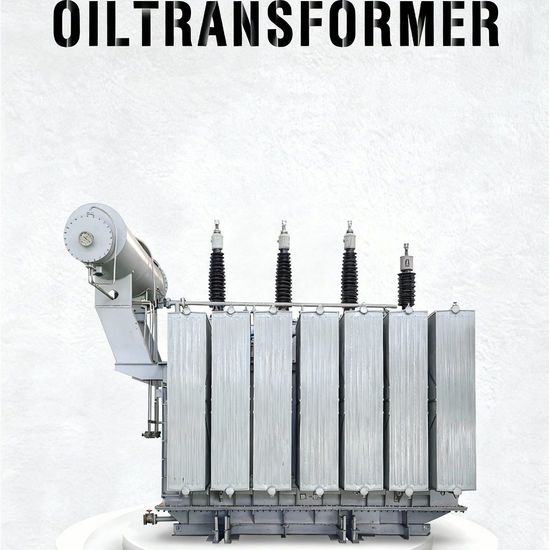
100 kVA Low Loss Transformer for Reliable Power Distribution
US$2,458.00-2,558.00
1 Set(MOQ)
Satisfies 1 requirement
100 kVA Oil Immersed Distribution Transformer
US$2,594.11-2,964.71
1 Piece(MOQ)

Satisfies 1 requirement
Huawan 300 kVA Three Phase Pad Mounted Oil Immersed Fully Sealed Distribution Transformer 7200V 240/120V 60Hz 480V 50/60Hz Zbpw S11 100-1000kVA
US$1,200.00-12,000.00
1 Piece(MOQ)

Satisfies 1 requirement
100 kVA 11kv S13/S22 Three-Phase Oil-Immersed Distribution Transformer
US$1,500.00-2,000.00
1 Piece(MOQ)

Satisfies 1 requirement
Single Phase UL Listed 100 kVA 100kVA 13800 Volts Pad Mount Mounted Power Transformer Price
US$3,450.00-5,650.00
6 unit(MOQ)

Satisfies 1 requirement
Rural Electricity Fully Sealed 220kv 50 100 6.3kv 500 630 kVA 2000kVA Set Down Photovoltaic Pole Mounted Oil Immersed Compact 3 Phase Solar Power Transformers
US$800.00-12,000.00
1 Piece(MOQ)

Satisfies 1 requirement
3 Phase Dry Transformer, Industrial Transformer, 100 kVA Transformer & Transformer 1000kVA, 220V 380V, Power Supply Transformer, Power-Supply-Transformer
US$1,450.00-73,000.00
1 Piece(MOQ)

Satisfies 1 requirement
Deyan OEM 100 kVA 200 kVA 315 kVA Copper Winding Three Phase Outdoor Type Oil Immersed Power Distribution Transformer
US$1,999.00-8,799.00
1 Piece(MOQ)

Satisfies 1 requirement
High Volage Oil Cooled 100 kVA 800kVA 1500kVA Sealed Oil Transformer
US$800.00-9,000.00
1 Piece(MOQ)
Sourcing guidance for 100 Kva Transformer
How to choose the right 100 Kva Transformer for industrial applications?
Selecting a 100 Kva transformer requires a deep dive into technical specifications to ensure operational stability. Buyers must prioritize efficiency ratings (such as DOE 2016 or Tier 2 standards) to minimize energy loss. Key factors include the winding material, where copper offers superior conductivity and longevity compared to aluminum, and the insulation class (typically Class H or R) to withstand high thermal loads. Additionally, verify the impedance voltage percentage, as it directly impacts short-circuit protection and voltage regulation.
What are the critical compliance and safety standards for 100 Kva Transformers?
For cross-border procurement, compliance is non-negotiable. Ensure the product adheres to IEC 60076 standards for power transformers or IEEE/ANSI C57 for North American markets. For European distribution, the CE mark and EcoDesign Directive compliance are mandatory. Always request Type Test Reports from independent laboratories to verify the transformer's performance under lightning strikes, temperature rises, and short-circuit conditions. If the unit is oil-immersed, ensure the transformer oil is PCB-free to meet environmental regulations.
What is the difference between Oil-Immersed and Dry-Type 100 Kva Transformers?
The choice depends on the installation environment. Dry-type transformers are ideal for indoor use, high-rise buildings, or areas with strict fire safety codes because they use cast resin insulation and are non-flammable. Oil-immersed transformers are generally more cost-effective and have better cooling efficiency, making them suitable for outdoor industrial sites or pole-mounted utility applications. However, they require regular oil level monitoring and leak inspections.
How can I evaluate the durability and maintenance requirements?
A high-quality 100 Kva transformer should have a service life of 20-25 years. Look for features like corrosion-resistant tank coatings (C4 or C5-M level) for coastal environments. For oil-filled units, check for hermetically sealed designs which prevent oxygen and moisture from entering, significantly reducing maintenance needs. For dry-types, ensure the enclosure rating (e.g., IP23 or IP31) is appropriate for the dust and moisture levels of your facility.
Cross-Border Procurement Risks and Strategies for Power Equipment
How can I mitigate the risk of receiving sub-standard electrical equipment?
The most effective strategy is to mandate a Pre-Shipment Inspection (PSI) by a third-party agency like SGS or Intertek. Specifically, request a Routine Test on the actual unit being shipped, including winding resistance, voltage ratio, and insulation resistance tests. On Made-in-China.com, prioritize Audited Suppliers who have undergone comprehensive on-site factory verifications to ensure their manufacturing capacity matches your requirements.
What are the key considerations for shipping and logistics of heavy transformers?
Transformers are heavy and sensitive to vibrations. Ensure the supplier uses seaworthy packaging with internal bracing to prevent core shifting during transit. For oil-immersed units, confirm if they are shipped with or without oil; shipping with oil requires specific Hazardous Materials documentation in some jurisdictions. Always use Incoterms like CIF or DAP to ensure the cargo is fully insured against transit damage, which is common in heavy machinery shipping.
How should I negotiate pricing and payment terms for bulk transformer orders?
Since raw material costs (copper and silicon steel) fluctuate, negotiate a price adjustment clause if the lead time is long. For payment, utilize Escrow services or Letters of Credit (L/C) to ensure funds are only released upon verification of shipping documents. Aim for a 30% deposit and 70% balance payment after the presentation of the Bill of Lading and successful third-party inspection reports.
How do I ensure the transformer is compatible with local grid codes?
Before finalizing the order, provide the supplier with a detailed Technical Data Sheet (TDS) specifying the primary and secondary voltage, frequency (50Hz vs 60Hz), and vector group (e.g., Dyn11). Misalignment in frequency or vector groups can lead to equipment failure or inability to synchronize with the local power grid. Request a technical drawing for approval before the production phase begins.