
Satisfies 1 requirement
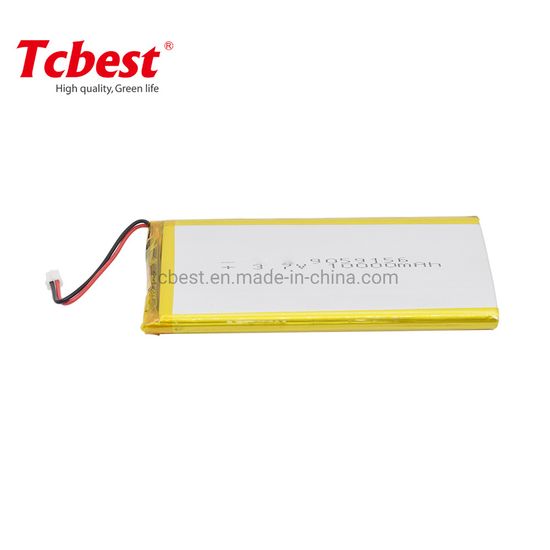
3.7V Ion 10ah 10000mAh Rechargeable 7566121 36V 12V 830mAh 20000mAh Pack 550mAh 453030 5V 3.8V 3000mAh Polymer Lithium Battery
US$61.13-606.13
1 Piece(MOQ)

I have found results from1000+products and500+suppliers about3.7v 10000mah rechargeable battery




When sourcing these high-capacity cells, you must verify the Energy Density and Cell Chemistry (typically Li-Polymer or Li-ion). Ensure the Discharge Rate (C-rating) matches your device's peak power needs. Crucially, confirm the presence of a Protection Circuit Module (PCM/PCB) to prevent over-charging, over-discharging, and short circuits, which are vital for high-capacity 10000mAh units.
For cross-border trade, the battery must have UN38.3 certification for safe transport. For the US market, UL1642 or UL2054 is preferred; for the EU, CE marking and RoHS compliance are mandatory. Additionally, IEC 62133 is the global gold standard for battery safety. Always request valid test reports from accredited third-party labs like TUV, SGS, or Intertek.
In the battery industry, 'fake capacity' is a common risk. A genuine 10000mAh 3.7V Li-polymer battery typically weighs between 160g to 200g and has specific physical dimensions (e.g., approx. 10mm x 60mm x 100mm). If a supplier offers a significantly smaller or lighter battery claiming 10000mAh, it is likely a fraudulent specification. Always request a Capacity Grading Report and conduct sample testing using a professional battery analyzer.
These batteries are ideal for Portable Power Banks, Medical Devices, IoT Gateways, and Industrial Handheld Terminals. A high-quality cell should maintain >80% of its original capacity after 500 full charge/discharge cycles. Ask the supplier about the Self-discharge Rate, which should be less than 3% per month for premium Grade A cells.
Lithium batteries are classified as Class 9 Dangerous Goods. You must ensure the supplier provides a Material Safety Data Sheet (MSDS) and a Dangerous Goods Declaration. For air freight, batteries must be shipped at a State of Charge (SoC) not exceeding 30% per IATA regulations. Using specialized forwarders found on Made-in-China.com who have experience in 'DG' (Dangerous Goods) shipping is highly recommended.
Utilize Secure Payment services and trade assurance programs offered by Made-in-China.com to protect your funds until delivery is confirmed. Conduct a Factory Audit or hire a third-party inspector to verify the production line's ISO 9001 status and the quality of the raw materials (anodes/cathodes) before the final balance payment.
Battery pricing is heavily influenced by the cost of raw materials like Lithium and Cobalt. Negotiate based on Volume Tiers (e.g., 1k, 5k, 10k units) and ask for a 'Price Adjustment Formula' linked to market commodity prices for long-term contracts. Be wary of prices that are 20% lower than the market average, as this often indicates the use of recycled or Grade B/C cells.