
Satisfies 1 requirement
Csc Certified Special Size Corten Steel 30FT 30 Feet Shipping Container
US$6,600.00-6,900.00
1 Piece(MOQ)

I have found results from50000+products and10000+suppliers about30ft shipping container


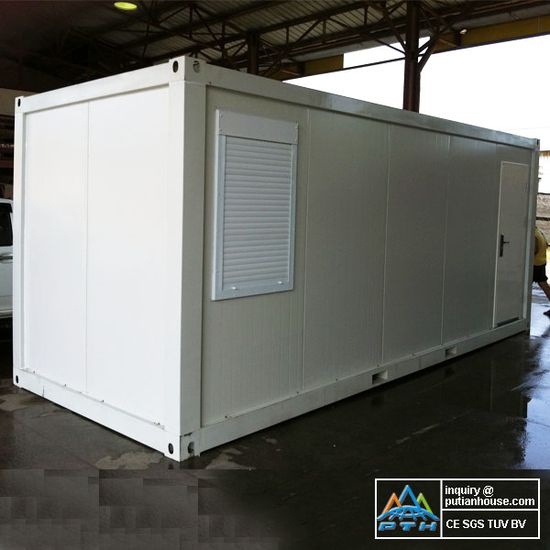


When sourcing a 30ft container, which is a non-standard size compared to the typical 20ft or 40ft units, you must prioritize Corten Steel (SPA-H) construction for superior corrosion resistance. Ensure the floor thickness is at least 28mm, typically made of marine-grade plywood, to support heavy loads. Verify the Maximum Gross Weight (MGW) rating, which should ideally be around 30,480 kg, and check for ISO 6346 compliance regarding dimensions and coding.
The container must have a valid CSC (Container Safety Convention) plate. For used or refurbished units, a CSC ACEP (Approved Continuous Examination Program) sticker or a valid inspection valid for at least 6 to 12 months is mandatory. Without this, shipping lines will refuse to load the unit onto a vessel. Additionally, ensure the unit is Wind and Watertight (WWT) and meets Cargo Worthy (CW) standards.
30ft containers are frequently used for specialized logistics, modular housing, or mobile generator rooms. If your project requires customization, confirm the supplier can provide ISO-certified modifications, such as side-opening doors, HVAC integration, or reinforced internal frames. For storage purposes, ensure the inclusion of high-security lock boxes and multiple ventilation points to prevent 'container sweat' (condensation).
For the European market, ensure the paint used is low-VOC and REACH compliant. For the North American market, if the container is used for modular building, it must meet local building codes (e.g., IBC or IRC). Always request a Certificate of Classification from recognized bodies like ABS (American Bureau of Shipping) or BV (Bureau Veritas) to guarantee structural integrity.
Because 30ft is a non-standard ISO size, it cannot be easily stacked in standard ship cells designed for 20ft/40ft units. This often results in higher freight costs (OOG - Out of Gauge) or the requirement of a flat rack. I recommend sourcing through Made-in-China.com to find suppliers who can offer 'One-Way' leasing or specialized shipping arrangements to mitigate these 'dead leg' costs.
Always utilize Trade Assurance or Escrow services to ensure funds are only released upon verification of the Bill of Lading (B/L) and inspection reports. Given the high value of steel, beware of prices significantly below market average, which often indicate counterfeit Corten steel or 'ghost' inventory. Request a video inspection of the specific unit's serial number and CSC plate before final payment.
Negotiate the Incoterms clearly; for containers, DAP (Delivered at Place) is often preferred by buyers, but you must confirm if the supplier provides tilt-tray or side-loader delivery. Ensure the contract specifies who is responsible for crane hire at the destination. If purchasing in bulk, negotiate a volume discount of 5-10% and request free storage at the port of loading for at least 14 days.
Check for anti-dumping duties on Chinese steel products in your country. Some regions impose heavy taxes on new containers but have lower rates for 'Used' or 'One-Trip' units. Ensure the Harmonized System (HS) Code 8609.00 is used correctly on all customs documentation to avoid misclassification penalties and delays during clearance.