
Satisfies 1 requirement
High Quality Avant Mini Zl10 Aolite Type Small Fronted Wheel Loader for Sale
US$3,900.00-8,300.00
1 Piece(MOQ)

I have found results from2000+products and800+suppliers aboutAvant loader


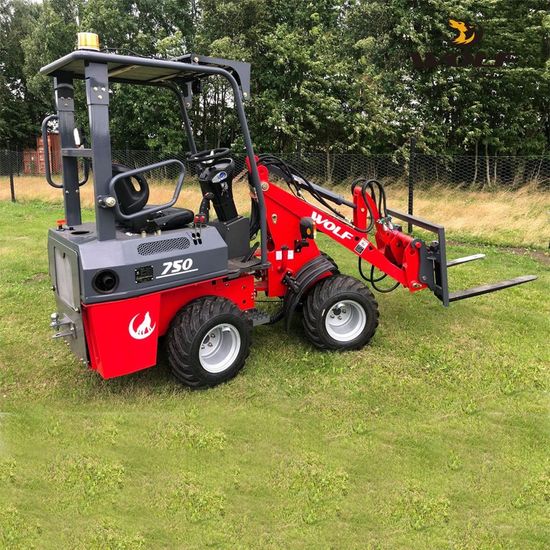


When selecting an Avant loader, the most critical technical factor is the articulated chassis design, which ensures a tight turning radius and minimal surface damage. Buyers must verify the lifting capacity (tipping load) and maximum lifting height to ensure compatibility with specific tasks. Additionally, check the hydraulic flow rate (L/min); high-flow hydraulics are essential for powering demanding attachments like trenchers or flail mowers. Ensure the engine meets regional emission standards, such as Stage V or Tier 4 Final, to guarantee operational compliance.
The value of an Avant loader lies in its multi-functionality. Ensure the unit features a universal quick-attach system that allows for seamless switching between over 200 types of attachments. Confirm the presence of multi-connector pressure release systems, which allow for easy coupling of hydraulic hoses even under pressure. It is recommended to source from suppliers on Made-in-China.com who provide integrated hydraulic auxiliary circuits as standard features to maximize the tool's utility across landscaping, construction, and farming.
Safety is paramount for heavy machinery. The loader must be equipped with a certified ROPS (Roll-Over Protective Structure) and FOPS (Falling Object Protective Structure) canopy or cab. Look for telescopic boom self-leveling functions to prevent load spills at height. Ergonomically, prioritize models with hydrostatic transmission and joystick controls for precision movement, which reduces operator fatigue and increases site safety.
To ensure a long service life, prioritize loaders with centralized greasing points and easy access to the engine compartment for daily checks. Verify that the supplier provides a comprehensive spare parts catalog and uses globally recognized components (such as Kubota engines or Poclain hydraulics) to simplify local servicing. A 12 to 24-month warranty on major components is a standard benchmark for high-quality B2B exports.
The primary risk in cross-border machinery trade is the discrepancy between advertised specs and actual performance. Use Made-in-China.com's 'Audit Reports' to verify the manufacturer's production capacity and R&D strength. Always request a pre-shipment inspection (PSI) by a third party like SGS or TÜV to verify the VIN number, engine serial number, and hydraulic pressure tests before final payment is released.
Due to their weight and dimensions, loaders are typically shipped via FCL (Full Container Load) or Flat Rack containers. Ensure the supplier uses heavy-duty steel wire lashing and wooden chocks to secure the machine within the container. For cost-efficiency, inquire if the loader can be shipped with wheels detached to fit into a standard 20GP or 40HQ container, which can significantly reduce ocean freight costs.
Ensure the supplier provides a Certificate of Origin (CO) to potentially benefit from preferential tariffs under Free Trade Agreements. You must confirm the correct HS Code (typically 8429.51) to determine accurate import duties. Additionally, verify that the machine's noise emission labels and safety decals are in the destination country's language to avoid delays during customs clearance.
Focus negotiations on the 'Total Package' rather than just the unit price. Negotiate for bundled attachment discounts (e.g., including a bucket, forks, and auger at a reduced rate) and a wear-parts kit (filters, seals, and belts) for the first 500 hours of operation. For bulk orders, request custom branding (OEM) and exclusive dealership rights for your specific region to protect your market share.