
Satisfies 1 requirement
PLC Integrated Tubular Biomass Hot Air Furnace
US$2,600.00-3,000.00
1 Piece(MOQ)

I have found results from20000+products and10000+suppliers aboutBiomass hot air furnace


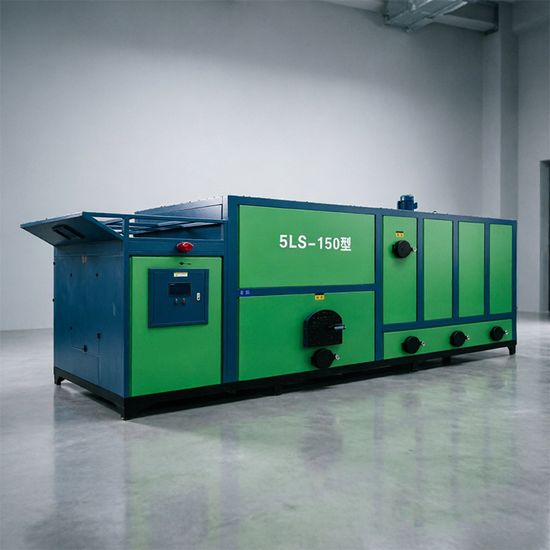


When evaluating a biomass hot air furnace, you must prioritize thermal efficiency, which should ideally be above 85% to ensure fuel economy. Key specifications include the heat output capacity (measured in kcal/h or kW), the type of biomass fuel supported (such as wood pellets, agricultural waste, or sawdust), and the maximum air outlet temperature. Additionally, look for high-grade stainless steel (e.g., SUS310S or 316L) for the heat exchanger to prevent high-temperature oxidation and ensure a service life of at least 5-10 years.
For B2B buyers, ensuring the equipment meets CE certification is critical for the European market, while ASME standards are vital for pressure-related components in North America. You should also verify compliance with local environmental emission standards, specifically regarding NOx and particulate matter (PM) emissions. Requesting ISO 9001 quality management certification from the supplier on Made-in-China.com ensures consistent manufacturing processes.
A high degree of automation, including PLC control systems and automatic ash removal, significantly reduces labor costs and prevents human error. Look for furnaces equipped with frequency conversion fans and automatic feeding systems; these features allow the furnace to adjust its output based on real-time demand, leading to a 15-20% reduction in fuel consumption compared to manual systems.
These furnaces are primarily used in industrial drying processes, such as food dehydration (grain, tea, or fruit), wood drying, and greenhouse heating. They are also highly effective for spraying and coating lines in manufacturing. Choosing a furnace with indirect heating technology is essential for food or textile applications to ensure the hot air is clean and free of combustion contaminants.
To ensure quality, always arrange for a third-party pre-shipment inspection (PSI) through agencies like SGS or Bureau Veritas. On Made-in-China.com, prioritize 'Audited Suppliers' who have undergone verified on-site inspections. Furthermore, request a video factory audit to see the furnace in operation before the final balance payment is made.
Focus your negotiation on the warranty period and wear-parts package. Instead of just pushing for the lowest unit price, negotiate for a 2-year warranty and the inclusion of critical spare parts (like igniters and grates) for the first 2,000 hours of operation. For bulk orders, aim for a 10-15% discount or FOB price concessions based on a long-term procurement contract.
Biomass furnaces are heavy and bulky; therefore, you should specify seaworthy packaging using vacuum plastic wrapping and reinforced wooden crates to prevent sea salt corrosion. Ensure the supplier provides a detailed loading plan to maximize container space and confirm that the equipment is properly anchored to avoid shifting during transit, which could damage the internal refractory bricks.
Utilize Secured Trading services offered by Made-in-China.com to protect your funds. Use a Letter of Credit (L/C) for large transactions or a Telegraphic Transfer (T/T) with a structured payment schedule (e.g., 30% deposit, 70% against the Bill of Lading). Never transfer funds to personal bank accounts; always ensure the account name matches the registered company name on the business license.