
Satisfies 1 requirement
Copper Joint Equal Diameter Tee Aluminum Plastic Pipe Fittings
US$0.20-0.25
2,000 Pieces(MOQ)

I have found results from90000+products and30000+suppliers aboutChina aluminum-plastic pipe fittings


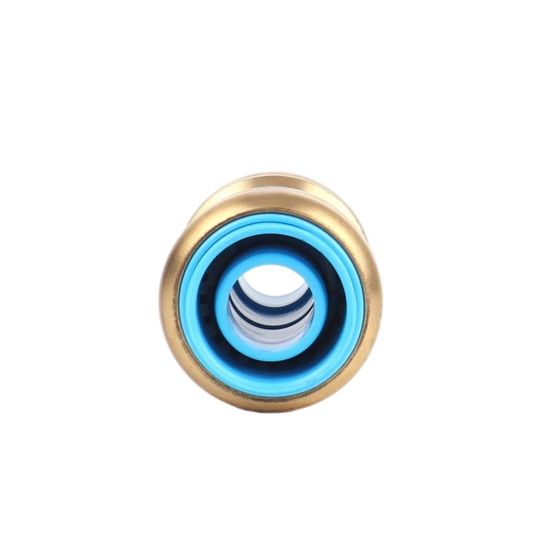


Buyers must prioritize material grade and pressure ratings. Ensure the fittings are made from high-quality brass (such as CW617N or Hpb58-3) to prevent dezincification. The internal O-rings should be made of EPDM for superior heat and aging resistance. Verify that the fittings are compatible with the specific pipe dimensions (e.g., 1620, 2025, or 2632 series) and can withstand a working pressure of at least 1.0 Mpa and temperatures up to 95°C for hot water applications.
For global market entry, fittings must adhere to recognized standards. Look for ISO 21003 for multilayer piping systems. If exporting to Europe, CE marking and WRAS (UK) or DVGW (Germany) certifications are critical for drinking water safety. For the North American market, ensure compliance with ASTM F1281 or NSF/ANSI 61 to guarantee the product is lead-free and safe for potable water.
Compression fittings are ideal for DIY or small-scale maintenance as they require only a wrench for installation and are removable. However, press fittings are preferred for large-scale construction and concealed piping because they provide a permanent, leak-proof connection that is less susceptible to human error, though they require specialized pressing tools. Your choice should depend on the labor skill level and the permanence of the installation.
Request a Hydrostatic Pressure Test report to ensure the fittings do not leak under extreme stress. A Salt Spray Test (usually 24-48 hours) is vital to verify the corrosion resistance of the nickel or chrome plating. Additionally, ask for a Tensile Strength Test to ensure the connection between the pipe and fitting remains secure under mechanical pull.
Always request a Material Test Report (MTR) or a third-party chemical analysis (SGS/TUV) before shipment. On Made-in-China.com, prioritize Audited Suppliers who have undergone on-site factory inspections. You should also implement a Pre-shipment Inspection (PSI) to verify the weight and copper content of the fittings, as 'lightweight' fittings often indicate thin walls that may burst under pressure.
Focus on Total Cost of Ownership (TCO) rather than just the unit price. Negotiate based on raw material index pricing (e.g., LME Copper prices) to ensure transparency. For bulk orders, aim for a 10-15% discount on quantities exceeding 5,000 pieces. Clearly define the defective rate allowance (usually <0.3%) and agree on a compensation clause in the contract before paying the deposit.
Aluminum-plastic fittings are heavy and dense, making Sea Freight (LCL or FCL) the most economical choice. Ensure the supplier uses double-corrugated export cartons and plastic pallets with shrink wrap to prevent moisture damage and box collapse during transit. For urgent samples, use air express, but ensure the HS Code (typically 741220 for brass fittings) is correctly declared to avoid customs delays.
Utilize Secured Trading Services provided by Made-in-China.com to protect your payment until the goods are shipped. Avoid using private bank accounts; always pay to the official corporate account listed on the platform. For large contracts, consider using a Letter of Credit (L/C) to ensure payment is only released upon presentation of valid shipping documents and inspection certificates.