
Satisfies 1 requirement
Custom Design Print Non-Slip Suede Rubber Yoga Mat for Pilates Workout
US$9.86-12.86
100 Pieces(MOQ)

I have found results from20000+products and10000+suppliers aboutCustom yoga mats


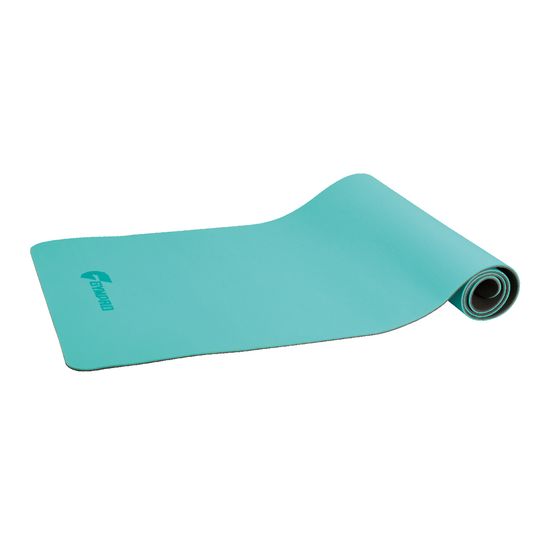


Selecting the material is the most critical decision for performance and cost. Natural Rubber is the premium choice for professional grip and eco-friendliness, though it is heavier. TPE (Thermoplastic Elastomer) offers a mid-range balance of being lightweight, recyclable, and cost-effective. For entry-level or promotional markets, PVC is durable and inexpensive but must be 6P-free or REACH compliant to meet safety standards. For high-end hot yoga markets, consider PU (Polyurethane) top layers for ultimate non-slip performance when wet.
Buyers should focus on Density and Resilience; a high-quality mat should quickly return to its original shape after compression. Standard thickness ranges from 3mm to 8mm, with 6mm being the most popular for general use. Ensure the Anti-tear layer (mesh) is integrated between the top and bottom surfaces to prevent stretching. Additionally, verify the Closed-cell structure, which prevents sweat from soaking into the mat, making it easier to clean and more hygienic for long-term use.
To avoid customs seizures and ensure consumer safety, products must adhere to regional regulations. For the US market, ensure compliance with CPSIA and California Prop 65 regarding phthalates and lead content. For the EU, REACH certification and OEKO-TEX Standard 100 are essential to prove the absence of harmful chemicals. If marketing as 'Eco-friendly,' request GRS (Global Recycled Standard) or biodegradability test reports from third-party labs like SGS or TUV.
There are three primary methods: Laser Engraving, which is permanent and eco-friendly as it uses no ink; Screen Printing, ideal for vibrant, large-scale logos but requires high-quality, non-toxic inks; and Digital UV Printing, which allows for full-color, complex patterns across the entire mat surface. For premium branding, consider embossed logos molded directly into the material during production for a subtle, high-end feel.
Always request a pre-production sample (PPS) that matches your exact specifications. For the bulk order, hire a third-party inspection service (like V-Trust or QIMA) to perform a 'During Production' or 'Pre-Shipment Inspection.' Focus on the 'smell test' (excessive chemical odors indicate poor material quality) and weight verification, as lighter mats often indicate lower density and cheaper fillers.
Negotiate based on Total Landed Cost rather than just the unit price. Ask for tiered pricing (e.g., 500, 1000, and 5000 units) to understand the supplier's margin. If you are a repeat buyer, negotiate for free customized packaging (like branded carry straps or color boxes) or a 5% defect allowance/discount. For large orders, use Made-in-China.com's Secured Trading services to ensure payment is only released upon proof of shipment.
Yoga mats are relatively bulky, meaning volumetric weight can significantly increase air freight costs. For better margins, Sea Freight (FCL or LCL) is highly recommended. Ensure the supplier uses moisture-proof inner packaging (PE bags) and reinforced outer cartons to prevent the mats from deforming or developing mold during long transit times in humid shipping containers.
Conduct thorough due diligence by checking the supplier's Business License and Export License on Made-in-China.com. Look for 'Audited Suppliers' who have undergone on-site verification. Always use formal Proforma Invoices (PI) that clearly state the material composition, weight, dimensions, and agreed-upon Incoterms (e.g., FOB or DDP).