
Satisfies 1 requirement
Muti Functional Remote Controlled Demolition Robot
US$62,000.00-85,000.00
1 Piece(MOQ)

I have found results from7000+products and3000+suppliers aboutDemolition robot

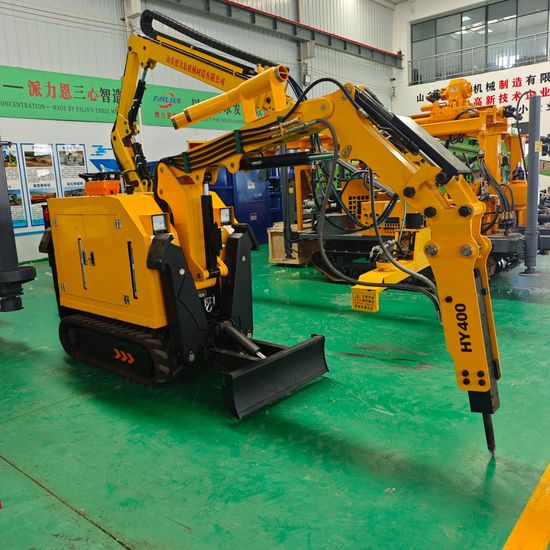


Buyers must prioritize the power-to-weight ratio, as these machines need to deliver high impact energy while remaining compact enough for confined spaces. Key metrics include crushing force (kN), reach distance (meters), and battery or cable power capacity. Ensure the robot features a three-arm system for maximum flexibility and is compatible with multiple attachments like hydraulic breakers, crushers, and buckets.
For cross-border procurement, verify that the equipment carries the CE marking (Europe) or meets ANSI/OSHA standards (USA). Specifically, look for compliance with ISO 12100 for machinery safety and IEC 60204-1 for electrical safety. Since these are remote-controlled, ensure the wireless frequency used by the remote control complies with your local telecommunications regulations to avoid signal interference.
Demolition robots are designed for high-risk environments such as nuclear decommissioning, tunnel excavation, and indoor renovation where floor load limits are strict. Functional requirements should include heat shielding for kiln cleaning and waterproof/dustproof ratings (IP65 or higher) for heavy construction sites. Remote control range should ideally exceed 100 meters to ensure operator safety.
Given the high-intensity nature of demolition, look for suppliers providing a comprehensive spare parts kit (seals, filters, and hoses). Professional suppliers on Made-in-China.com often offer video technical support and detailed maintenance manuals. Confirm if the supplier provides a 12 to 24-month warranty on core components like the hydraulic pump and electric motor.
Always use Secured Trading Services provided by Made-in-China.com to ensure payment is only released upon confirmation of shipment. Conduct a third-party factory audit or a pre-shipment inspection (PSI) to verify the machine's performance and build quality before it leaves the warehouse.
Demolition robots are heavy and sensitive. Request vacuum packaging or anti-rust coating for sea freight to prevent corrosion. Ensure the supplier uses reinforced wooden crates or steel frames for securing the robot in the container. Clarify the Incoterms (e.g., FOB or CIF) to understand who bears the risk during transit.
Focus on the Total Cost of Ownership (TCO) rather than just the unit price. Negotiate for inclusive wear-and-tear parts, customized branding (OEM), or volume discounts if purchasing multiple units. Ask for training videos or on-site commissioning services to be included in the package to reduce your local setup costs.
Check for anti-dumping duties or specific import tariffs on heavy machinery in your country. Ensure the HS Code (typically 8429 or 8479) is correctly declared to avoid customs delays. Verify that the lithium batteries (if applicable) or hydraulic fluids meet international air/sea transport regulations for hazardous materials.