
Satisfies 1 requirement
Anti-Explosion Explosion-Proof Blast Resistant Blast-Proof Roller Shutter Door
US$3,000.00-5,000.00
1 Piece(MOQ)

I have found results from100000+products and20000+suppliers aboutExplosion proof door


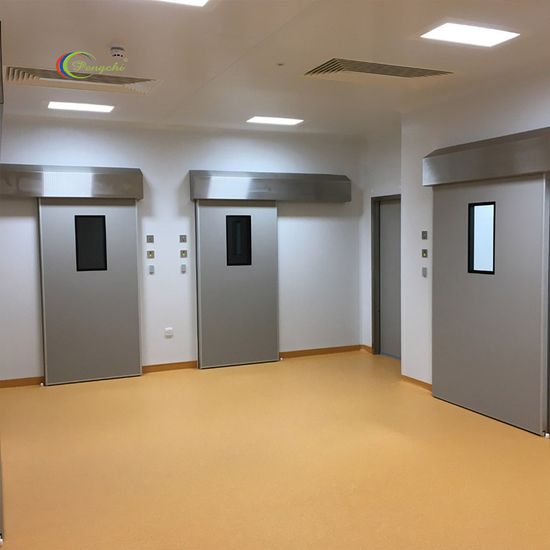


Buyers must prioritize the Blast Resistance Rating (PSI/bar), which defines the peak pressure the door can withstand. Essential materials include high-strength carbon steel or stainless steel plates with a thickness typically ranging from 5mm to 12mm. Ensure the door features heavy-duty explosion-proof hinges and a multi-point locking system to prevent structural failure during an overpressure event. Additionally, verify the filler material, such as high-density rock wool, for integrated fire resistance.
For global trade, doors should ideally meet UL 752 (Bullet Resisting Equipment) or ASTM F2247 standards for blast resistance. In European markets, EN 13123-1/13124-1 certifications are critical. If the door is intended for hazardous environments (like oil and gas), ensure the hardware is ATEX or IECEx certified to prevent sparks. Always request a Third-Party Blast Test Report from a recognized laboratory to validate performance claims.
These doors are critical for petrochemical plants, pharmaceutical laboratories, ammunition depots, and power substations. They are also increasingly used in data centers and grain processing facilities where combustible dust poses a risk. For commercial applications, they serve as security reinforcements for bank vaults and government buildings to protect against forced entry and explosive threats.
Environmental factors like corrosivity require specific finishes; for offshore platforms, C5-M grade anti-corrosion coatings or 316L stainless steel are necessary. If the door is used in a cleanroom, it must have airtight sealing (gas-tight) capabilities. For high-traffic areas, consider automatic explosion-proof operators that interface with the building's fire alarm and security systems.
Conduct a factory audit via a third-party inspection service to verify the supplier's production capacity and ISO 9001 certification. Before shipping, mandate a Pre-Shipment Inspection (PSI) to check weld quality, paint thickness, and seal integrity. Using Made-in-China.com's Secured Trading services can provide payment protection, ensuring funds are only released once the goods meet the agreed-upon specifications.
Focus on Total Cost of Ownership (TCO) rather than just the unit price. Negotiate for extended warranties (3-5 years) and the inclusion of critical spare parts (like seals and hinges) in the initial order. For large projects, request tiered pricing based on volume and propose a payment structure of 30% deposit and 70% against the Bill of Lading (B/L) to balance risk.
Explosion-proof doors are extremely heavy and prone to surface damage. Require reinforced steel-frame wooden crates for packaging. Due to the weight, Sea Freight (FCL) is the most economical method. Ensure the supplier provides a detailed packing list and HS Code (typically 730830) to avoid customs delays. For inland delivery to the final destination, confirm the availability of heavy-lift cranes or forklifts at the discharge site.
Verify if the product is subject to Anti-Dumping Duties (ADD) in your country, which sometimes applies to steel products from specific regions. Ensure all Certificates of Origin are provided to take advantage of any Free Trade Agreements (FTA). Documentation must clearly state the Blast Rating and Fire Rating to satisfy local building inspectors and customs officials regarding safety compliance.