
Satisfies 1 requirement
925 Sterling Silver Jewelry Engagement Ring Round Stone Brass Custom Fine Jewelry Fashion Ring Jewelry OEM Factory
US$7.08-7.38
30 Pieces(MOQ)

I have found results from30000+products and10000+suppliers aboutFashion fine jewelry


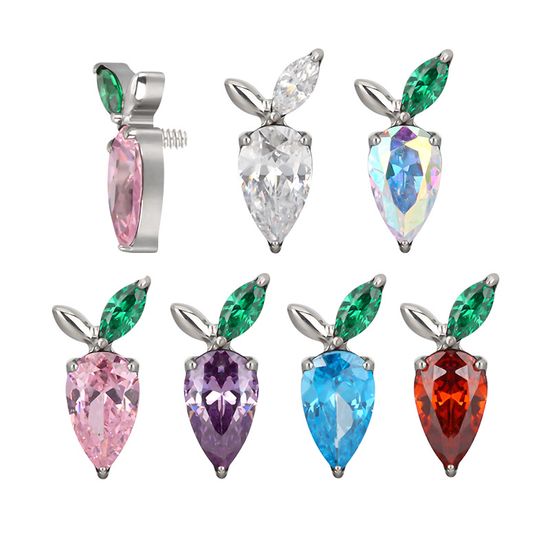


When sourcing fashion fine jewelry, the choice of base metal determines both price point and durability. 925 Sterling Silver is the industry standard for high-end fashion jewelry, offering a balance of value and prestige. For more budget-conscious yet durable lines, 316L Stainless Steel is preferred due to its corrosion resistance and hypoallergenic properties. Regarding plating, ensure the supplier uses PVD (Physical Vapor Deposition) coating or Electroplating with a thickness of at least 0.5 to 2.5 microns (Gold Vermeil) to ensure long-lasting color and prevent premature tarnishing.
Compliance is critical to avoid customs seizures and legal issues. You must ensure all products are Lead-free, Cadmium-free, and Nickel-free to meet REACH regulations in the EU and CPSIA standards in the USA. Always request third-party lab test reports (such as SGS or Intertek) from the supplier. If the jewelry includes gemstones, verify if they are lab-grown or natural and ensure they are sourced according to the Kimberley Process if diamonds are involved.
Examine the finishing and polishing; high-quality jewelry should have a mirror-like finish with no visible casting marks or pits. Check the security of stone settings—prong settings should be smooth and not snag on fabric, while bezel settings should be symmetrical. Test the functionality of clasps and hinges (e.g., lobster claws, butterfly backs) to ensure they are sturdy and operate smoothly. For branded items, ensure the hallmark (e.g., 'S925' or '14K') is clearly and accurately stamped.
Current market demand favors minimalist stackable rings, chunky gold-plated chains, and personalized initial pendants. Most professional suppliers on Made-in-China.com offer OEM/ODM services, allowing you to customize designs via 3D CAD modeling. You should also inquire about custom packaging options, such as eco-friendly jewelry boxes or microfiber pouches, which can significantly enhance your brand's perceived value.
The primary risks include material fraud (e.g., copper sold as silver) and quality inconsistency between samples and bulk orders. To mitigate this, use Trade Assurance services and conduct a pre-shipment inspection. Another risk is Intellectual Property (IP) infringement; avoid sourcing designs that closely mimic luxury brands to prevent legal action or customs confiscation.
Focus on Tiered Pricing; jewelry costs are highly sensitive to volume. Negotiate a lower unit price by committing to a higher annual volume even if individual orders are smaller. Also, discuss mold fee rebates, where the supplier refunds the initial design mold cost once your cumulative orders reach a certain threshold (e.g., 1,000 units).
For jewelry, Air Express (DHL, FedEx, or UPS) is the preferred method due to speed and security. Always insist on discreet packaging that does not indicate the contents are 'jewelry' on the outer box to prevent theft. Ensure the shipment is covered by comprehensive marine/cargo insurance that accounts for the full replacement value of the goods.
Never send large payments via untraceable methods. Utilize the secure payment systems provided by Made-in-China.com to ensure funds are only released after the supplier fulfills their contractual obligations. For large bulk orders, a standard 30% deposit and 70% balance payment against the Bill of Lading (B/L) or after a successful quality inspection is recommended.