
Satisfies 1 requirement
Flat Pack Container House, Office Modular Container House Two Floor Container Building
US$1,350.00-1,390.00
2 Sets(MOQ)

I have found results from200000+products and80000+suppliers aboutFlat container house


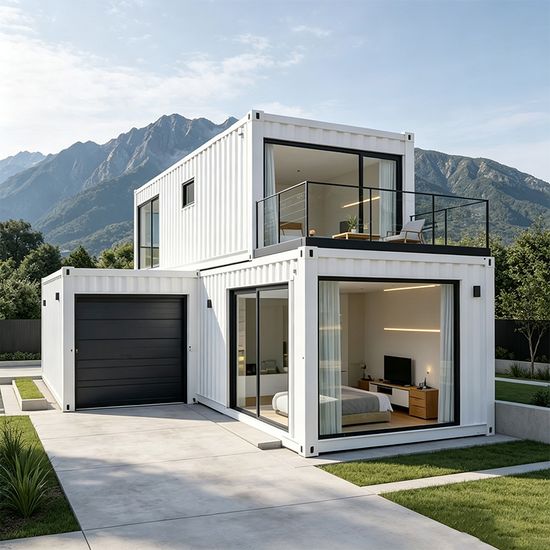


When sourcing flat container houses, prioritize the structural integrity of the galvanized steel frame, ensuring a thickness of at least 2.5mm to 3.0mm for load-bearing columns. For insulation, Rockwool or Polyurethane (PU) sandwich panels are recommended over EPS due to superior fire resistance (Class A) and thermal efficiency. Additionally, verify the floor loading capacity, which should typically be ≥ 250kg/m² for standard residential use, and ensure the roof system features an integrated drainage design to prevent water leakage.
Buyers must ensure the supplier adheres to ISO 9001 for quality management and ISO 14001 for environmental standards. For specific markets, look for CE marking (EN 1090-1) for the European Union, or compliance with AS/NZS standards for Australia and New Zealand. It is critical to request fire rating certifications for all internal materials and wind resistance ratings, which should ideally withstand Level 10 to 12 typhoons (approx. 100-120 km/h).
The lifespan of a high-quality flat container house should be 15 to 25 years. To ensure this, check the anti-corrosion treatment of the steel; hot-dip galvanization followed by powder coating is the industry gold standard. Inquire about the salt spray resistance if the units will be placed in coastal areas. Furthermore, the sealing strips (EPDM) used at joints must be UV-resistant to prevent degradation and water ingress over time.
A top-tier supplier should provide modular scalability, allowing units to be stacked up to 3 stories high or joined horizontally to create larger spaces. They should offer BIM or CAD design support to customize window placement, internal partitions, and pre-installed electrical and plumbing systems that match the destination country's voltage and pipe standards (e.g., UL for USA, SAA for Australia).
The biggest risks include structural damage during transit and non-compliance with local building codes. To mitigate these, use Made-in-China.com's Secured Trading services to ensure payment is only released upon proof of quality. Always conduct a pre-shipment inspection (PSI) via third parties like SGS or Intertek to verify that the steel thickness and material density match the Proforma Invoice.
Flat container houses are designed for logistics efficiency. Typically, 4 units can be bundled to match the dimensions of a standard 20ft ISO shipping container, or 6 to 8 units can fit into a 40ft High Cube (HQ) container. This significantly reduces ocean freight costs per unit compared to fully assembled modular houses. Ensure the supplier provides a detailed loading plan to maximize container utilization.
Focus on the Total Cost of Ownership (TCO) rather than just the unit price. Negotiate for spare parts kits (extra sealants, bolts, and touch-up paint) to be included at no cost. For orders exceeding 10 units, seek a 5-10% volume discount or an upgrade in insulation material. Request a clear warranty policy—reputable manufacturers should offer at least a 2-5 year structural warranty.
Verify the supplier's Business License and Export Qualification on Made-in-China.com. Ensure the Incoterms (e.g., FOB or CIF) are clearly defined in the contract to avoid disputes over insurance and local port charges. Additionally, check your country's import tariffs and anti-dumping duties on steel structures to avoid unexpected costs at customs.