
Satisfies 1 requirement
26m3 T11 316 Stainless Steel Liner 20FT Food Grade Liquid Transport Tank Truck New Category-Steel Container
US$16,100.00-16,500.00
1 Piece(MOQ)

I have found results from100000+products and30000+suppliers aboutFood truck container


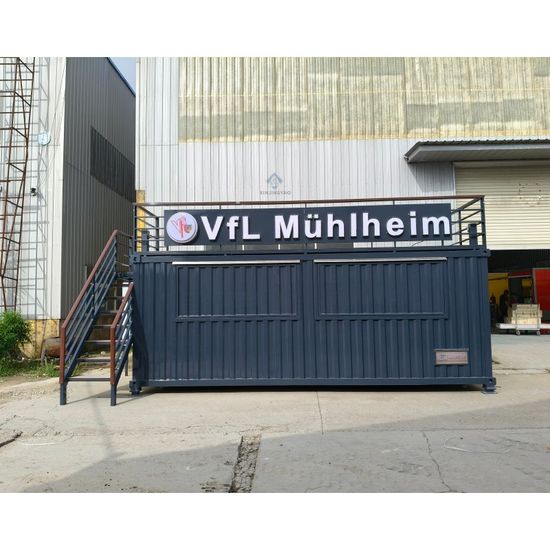


When selecting a food truck container, prioritize 304 Stainless Steel for interior surfaces to ensure food safety and easy cleaning. For the exterior, galvanized steel or aluminum alloy with anti-corrosion coating is essential for weather resistance. Ensure the floor is made of non-slip aluminum checkered plate with a drainage system to prevent accidents and maintain hygiene.
You must verify that the electrical system matches your country's standards (e.g., 110V/220V voltage, 50Hz/60Hz frequency). Ensure the supplier provides CE, UL, or SAA certified components and circuit breakers. For plumbing, look for a dual-tank system (fresh/waste water) with an automatic water pump and a high-capacity electric water heater that meets local health department codes.
A professional supplier should provide 3D CAD floor plans to optimize the 'work triangle' (storage, preparation, cooking). Ensure the exhaust hood system has sufficient CFM power and fire suppression capabilities. Check if the internal height is at least 2.1 meters to provide a comfortable working environment for staff during long shifts.
To maintain internal temperature, the container walls should have high-density polyurethane (PU) foam insulation or rock wool (at least 50mm thick). For ventilation, prioritize units with sliding glass windows, roof vents, and heavy-duty air conditioning units if operating in tropical climates to protect both staff and sensitive kitchen electronics.
The biggest risks are shipping damage and non-compliance with local road/health regulations. Always request a pre-shipment inspection (PSI) to check structural integrity. Ensure the unit has a VIN (Vehicle Identification Number) or a Certificate of Origin that allows for legal registration and towing in your specific region.
Use Made-in-China.com's Secured Trading services to protect your payment until the goods are dispatched. Negotiate a payment term such as 30% deposit and 70% balance after video inspection of the finished product. Demand a minimum 1-2 year warranty on the chassis and major kitchen appliances.
Since these are often oversized, they are typically shipped via 40HQ containers (if they fit inside) or Flat Rack/Ro-Ro (Roll-on/Roll-off) shipping. To save on costs, consider CKD (Completely Knocked Down) shipping if you have a local assembly team, though fully assembled units are preferred for quality control.
Consult with a customs broker regarding the HS Code (typically 871640 or 940690) to determine import tariffs. Be aware of Anti-Dumping Duties that may apply to steel structures in certain countries. Ensure the supplier provides a Commercial Invoice, Packing List, and Bill of Lading that accurately reflect the product value to avoid customs delays.