
Satisfies 1 requirement
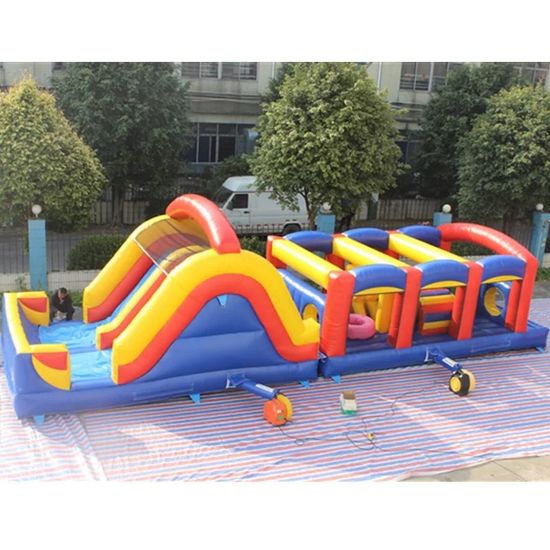
Indoor British Series Playground Kindergarten Trampoline Interactive Games Slides Children's Play Equipment
US$70.00-120.00
30 Square Meters(MOQ)

I have found results from100000+products and40000+suppliers aboutGame equipment




Selecting professional game equipment requires balancing technical specifications, ergonomic design, and hardware compatibility. For peripherals like mechanical keyboards, prioritize switches with a lifespan of 50 million+ keystrokes and N-key rollover functionality. For gaming monitors, ensure a refresh rate of at least 144Hz and a response time of 1ms (GTG) to meet competitive standards. When sourcing gaming chairs, look for high-density cold-molded foam and Class 4 gas lifts certified by BIFMA to ensure user safety and long-term durability.
Compliance is non-negotiable in cross-border trade. For electronic game equipment, products must carry the CE mark for the EU market and FCC certification for the United States. Ensure all components comply with RoHS (Restriction of Hazardous Substances) to meet environmental regulations. For wireless equipment (controllers/headsets), verify SRRC, TELEC, or RED certifications depending on the target region to ensure radio frequency compliance.
Request third-party inspection reports focusing on stress tests and MTBF (Mean Time Between Failures). For gaming headsets, check for tensile strength tests on cables and sweat-resistance ratings for ear cushions. For consoles or PCs, verify the cooling system efficiency through thermal imaging reports under full load. It is highly recommended to order engineering samples to test latency and tactile feedback before committing to a bulk purchase.
To differentiate in a crowded market, seek suppliers offering custom RGB lighting software integration, private mold injection molding, and bespoke packaging design. Ensure the supplier can provide PCBA layout customization if you require specific chipsets (e.g., PixArt sensors for mice). Confirm the MOQ for customized firmware, as this is critical for branding and localized language support.
Always use secure payment methods such as Escrow or Letter of Credit (L/C). On platforms like Made-in-China.com, prioritize Audited Suppliers who have undergone on-site verification by independent inspection companies (e.g., SGS or TÜV Rheinland). This reduces the risk of 'fly-by-night' operators and ensures the factory's production capacity and quality control systems are legitimate.
Negotiate based on Total Cost of Ownership (TCO) rather than just the unit price. Discuss spare part ratios (typically 1-3%) to be included free of charge to cover potential RMA (Return Merchandise Authorization) issues. For large volumes, request tiered pricing where the unit cost drops as your annual cumulative volume increases, and negotiate favorable payment terms (e.g., 30/70) to maintain healthy cash flow.
Game equipment often contains lithium batteries (in wireless controllers/headsets), which are classified as dangerous goods. Ensure the supplier provides a valid UN38.3 test report and MSDS (Material Safety Data Sheet) for customs clearance. For high-value electronics, use palletized shipping with anti-static wrapping and consider sea-air multimodal transport to balance cost and speed during peak gaming seasons (e.g., Q4 holidays).
Ensure that any gaming gear featuring specific designs or characters does not infringe on existing patents or trademarks. If sourcing 'inspired' designs, verify that the industrial design patents are owned by the manufacturer. For software-heavy equipment, confirm that the driver software and UI are proprietary or properly licensed to avoid legal hurdles in the destination country.