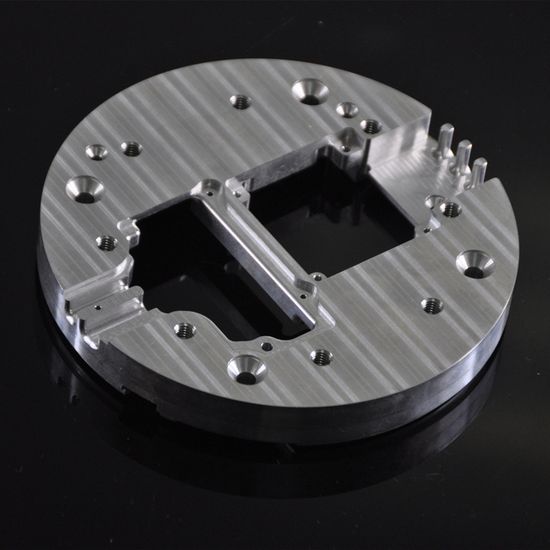

Gas burner parts price
I have found results from70000+products and20000+suppliers aboutGas burner parts price
Commonly Used:
US$
—
Customization Available
Sample Available
Manufacturer First
Product Attributes:
Table Gas Cooker
Clay Wet Sand
Chemical Hardening Sand
Type: Cold Stamping
Built-in Gas Cooker
Type: Boilers Head
Fuel Type: Liquefied Gas
Material: Cast Iron
Number of Burner: 2
Panel Material: Enamel
Ignition Mode: Electronic Ignition
Thermal Gravity Casting
Lost Wax Casting
Molding Technics: Pressure Casting
Application: Machinery Parts
Surface Preparation: Polishing
Surface Roughness: Ra0.1
Machining Tolerance: +/-0.01mm
Standard: AISI
Certification: CE
Condition: New
Customized: Customized
Resin Sand Core
Machining: CNC Machining
Surface Treatment: Sand Blast
Installation Type: Tee Type
Sensing Type: Thermocouple
Contact: Contact
Production Process: Integration
Measuring Medium: Temperature
Interior Material: Copper
Outdoor Standard Installation
Housing Material: Stainless Steel
Control Mode: Mechanical Edition
Usage: Bathroom
Temperature: High Temperature
Processing Type: Shaping Metal
Simple Single Process Dies
Surface Processing: Spraying
Fine Blanking: Double Acting
Metal Stamping Parts for Household Appliances
Tolerances: 0.2mm
Pressing Speed: Punch Forming
Suppression Method: Unidirectional Pressurization
Fuel: Gas
Range of Applications: Power station
Structure: Horizontal Type
Firepower: 3kw-3.99kw
Cold Chamber Die Casting Machine
Precision Die Casting
Pressure Chamber Structure: Horizontal
Tolerance Grade: 6
Casting Surface Quality Level: 1
Material: Metal
Material: Iron
Material: Brass
Material: Copper
Material: Stainless Steel
Number of Burner: 4
Number of Burner: 1
Panel Material: Stainless Steel
Panel Material: Tempered Glass
Piezoelectric Ceramic Ignition
Ignition Mode: Manual Ignition
Casting Method: Directional Crystallization
Process: Forming Process
Metal Recycling Machine
Metal Cutting Machine
Metal Processing Machinery Parts
Application: Hardware
Application: Mechanical Gadgets
Application: Aerospace
Application: Auto Parts
Application: Electric Appliances
Application: Medical Apparatus
Surface Roughness: Ra6.3
Surface Roughness: Ra12.5
Standard: DIN
Standard: ASTM
Standard: GOST
Standard: GB
Standard: JIS
Standard: ANSI
Standard: BS
Certification: RoHS
Certification: ISO 9001:2000
Certification: ISO 9001:2008
Certification: ISO9001
Certification: UL
Certification: CB
Certification: ISO
Surface Treatment: Natural
Usage: Kitchen
Gas Water Heater
Range of Applications: Life
Range of Applications: Industrial
5kw & Above

Satisfies 1 requirement
High Quality Automatic Piezo Ignition Electric Brass Gas Valve Cast Iton Burner Gas Stove Parts
US$0.90
200 Pieces(MOQ)

Satisfies 1 requirement
Zd Gas Stove Valve in Cast Iron Spare Parts Burner Stove Ignition Gas Cooker Valve Parts
US$2.00-4.50
1 Piece(MOQ)

Satisfies 1 requirement
Brass Burner Gas Hob Spare Parts CNC Turning Brass Part
US$0.90-6.90
10 Pieces(MOQ)

Satisfies 1 requirement
China Manufacturer Cast Iron Grate Gas Burner Cooktop Parts
US$0.10-10.00
100 Pieces(MOQ)

Satisfies 1 requirement
Sinopts Burner Controller Pilot Burner Gas Heater Spare Parts
Negotiable
1,000 Pieces(MOQ)

Satisfies 1 requirement
Sinopts Gas Heater Parts Supplier with Ods Pilot Burner
US$2.50-3.00
100 Pieces(MOQ)


Satisfies 1 requirement
Sinopts Gas Pilot Burner Stove Parts Names Gas Grill Parts
US$4.70-4.90
500 Pieces(MOQ)

Satisfies 1 requirement
Reliable Gas Water Heater Spare Parts Brass Gas Pilot Burner Assembly Ignition Interlock Device Thermocouple
US$3.00-12.00
100 Pieces(MOQ)

Satisfies 1 requirement
Industrial Gas Burner Housing Cast Iron Sand Casting Parts Supplier
US$1,000.00-1,200.00
1 Ton(MOQ)

Satisfies 1 requirement
Gas-fired self-recuperative burner parts with BTC brand Silicon infiltrated Silicon Carbide (SiSiC)
US$30.00-150.00
5 Pieces(MOQ)

Satisfies 1 requirement
China Manufacture Competitive Price Stainless Steel Burner Water Heater Parts
US$5.00-15.00
100 Pieces(MOQ)

Satisfies 1 requirement
Heavy Duty Cast Iron Gas Burner Spare Parts Custom Commercial Stove Grates and Burner Heads for Restaurant Kitchen
US$1.00-5.00
500 Pieces(MOQ)


Satisfies 1 requirement
90*90mm Indian Cast Iron Burner Cap Gas Stove Parts
US$0.70-1.00
1,000 Pieces(MOQ)

Satisfies 1 requirement
Factory Gas Stove 100/120mm Cast Iron Burner Cap Gas Stove Parts
US$0.70-1.00
1,000 Pieces(MOQ)

Satisfies 1 requirement
5-Burner Gas Stove Top Cook-Top Stainless Steel Stamping Parts for Kitchen Appliance Built-in Gas Hob
US$10.00-15.00
1 Piece(MOQ)

Satisfies 1 requirement
Oil Gas Burners Head /Metal Parts by Powder Metallurgy
US$0.40-0.50
10,000 Pieces(MOQ)

Satisfies 1 requirement
Commercial Use Tempressed Glass Gas Burner Gas Stove Parts
US$45.00-100.00
50 Pieces(MOQ)

Satisfies 1 requirement
Gas Stove Parts Gas Stove Burner Gas Stove 90 Diameter Burner
US$0.80-1.50
1,000 Pieces(MOQ)

Satisfies 1 requirement
Gas Stove Spare Parts Part of Golden Brass Burner Cap 100mm 120mm
US$0.48-0.50
500 Pieces(MOQ)

Satisfies 1 requirement
Gas Stove Spare Parts Part of Gas Cooker Brass Burner Cap 120mm
US$4.20-4.25
500 Pieces(MOQ)

Satisfies 1 requirement
Competitive Price Electrical Universal Pilot Burner Gas Water Heater Parts Pilot Injector
US$0.60-0.80
10 Pieces(MOQ)

Satisfies 1 requirement
Pilot Burner Igniter Complete Gas Heater Parts Ods Pilot Burner Head Assembly
US$2.00-6.00
500 Pieces(MOQ)

Satisfies 1 requirement
CKD SKD Natural Gas Water Heater Comb Burner Replacement Part
US$0.90-1.00
50 Pieces(MOQ)

Satisfies 1 requirement
Gas Stove Parts Burner Cooktop Gas Oven Accessories High Quality Durable
US$2.89-4.36
50 Pieces(MOQ)

Satisfies 1 requirement
Built in Gas Hob Burner Parts Aluminum Auxiliary Burner Cup High Heat Resistant
US$1.00-2.00
1,000 Pieces(MOQ)

Satisfies 1 requirement
Replacement Cast Iron Burner Head and Cap Parts for Gas Stoves
US$1.00
500 Pieces(MOQ)

Satisfies 1 requirement
Custom Aluminum Die Casting Parts for Gas Stove Burners
US$0.10-5.99
100 Pieces(MOQ)
Sourcing guidance for Gas Burner Parts Price
What are the key technical specifications to consider when sourcing gas burner parts?
When evaluating gas burner parts, you must prioritize material heat resistance and dimensional precision. For nozzles and injectors, brass or stainless steel is preferred for corrosion resistance. For industrial burners, ensure the BTU/hr rating and gas pressure compatibility (LPG vs. Natural Gas) align with your equipment. Always verify the thread standards (NPT, BSP, or Metric) to ensure seamless integration with existing manifolds.
Which safety and compliance standards are mandatory for international trade of gas components?
Compliance is non-negotiable for gas safety. Ensure parts meet CE (EN 298 or EN 161) for the European market, CSA or UL certification for North America, and ISO 9001 for manufacturing consistency. Specifically for valves and thermocouples, look for Flame Failure Device (FFD) certifications to prevent gas leaks, which is a critical requirement for both residential and industrial applications.
How can I evaluate the durability and performance of burner heads and caps?
Focus on the casting process and coating quality. High-quality burner heads are often made of die-cast aluminum or heavy-duty cast iron with a matte enamel or high-temperature resistant paint finish to prevent oxidation. Request salt spray test reports and thermal shock resistance data to ensure the parts can withstand repeated heating and cooling cycles without cracking or warping.
What factors influence the pricing of gas burner parts in bulk procurement?
Pricing is primarily driven by raw material costs (copper/aluminum indices) and manufacturing complexity. Custom CNC-machined parts will carry a premium compared to standard stamped parts. To optimize costs, look for suppliers on Made-in-China.com that offer tiered pricing based on MOQ, where orders exceeding 5,000 units can often yield a 15-25% discount compared to small-batch sampling.
Cross-Border Procurement & Risk Management for Gas Parts
What are the common risks when importing gas burner parts from overseas?
The primary risks include material substitution (e.g., using low-grade alloys instead of pure brass) and non-compliance with local gas regulations. To mitigate this, always request a Material Test Report (MTR) and use third-party inspection services like SGS or Intertek to verify the chemical composition and functional safety before the final balance payment is made.
How should I negotiate with suppliers to ensure long-term quality stability?
Negotiate for a Quality Assurance Agreement (QAA) that defines the acceptable AQL (Acceptable Quality Level), typically 1.0 for critical safety components. Insist on a warranty period of at least 12-24 months and discuss defective rate compensation, such as a 1:1 replacement or credit for future orders if the failure rate exceeds 0.5%.
What is the most secure way to handle transactions and shipping for these technical components?
Utilize Secure Payment services provided by reputable platforms like Made-in-China.com to ensure funds are only released upon proof of shipment. For shipping, gas parts are heavy; Sea Freight (FCL/LCL) is most economical for bulk, but ensure the packaging includes VCI (Volatile Corrosion Inhibitor) bags to prevent rust during humid maritime transit.
How do international trade policies affect the landed cost of gas burner parts?
Be aware of Anti-Dumping Duties (ADD) or specific Tariff codes (HS Code 7321.90 or 8416.90) that may apply to your country. Check for Free Trade Agreements (FTA) between China and your region, which could potentially reduce import duties to 0%, significantly lowering your Total Cost of Ownership (TCO).