Satisfies 1 requirement
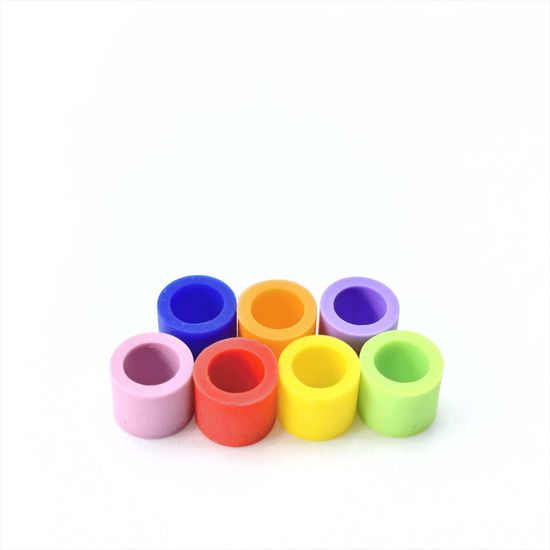
Factory Wholesale Dental Instrument Identification Rings Multi Color Silicone Bulk Supply
US$1.05-1.23
100 box(MOQ)

I have found results from70000+products and20000+suppliers aboutHair care appliances


Selecting the right hair care appliances requires a focus on motor technology, heat control, and material durability. For hair dryers, prioritize brushless DC motors (BLDC) which offer longer lifespans and higher RPMs. For straighteners and curlers, look for ceramic or tourmaline coatings to ensure even heat distribution and minimize hair damage. Always verify that the supplier provides adjustable temperature settings to cater to different hair types.
Compliance is non-negotiable in the electronics sector. For the US market, ensure products are UL or ETL certified and comply with FCC regulations. For the European market, CE marking, RoHS (Restriction of Hazardous Substances), and GS certification are mandatory. Additionally, check for ALCI (Appliance Leakage Circuit Interrupter) plugs on hair dryers to meet safety standards for use in damp environments like bathrooms.
To differentiate your inventory, source appliances featuring Ionic Technology, which reduces frizz by neutralizing static. Far-infrared heat is another premium feature that dries hair from the inside out, preserving moisture. For high-end professional tools, look for intelligent NTC thermistors that monitor air temperature 20-40 times per second to prevent extreme heat damage.
Analyze the Total Cost of Ownership (TCO) by factoring in the unit price, shipping volume (hair dryers can be bulky), and defect rates. Seek suppliers on Made-in-China.com that offer tiered pricing; typically, orders exceeding 500-1,000 units can yield discounts of 15-25%. Requesting a Golden Sample before mass production is critical to avoid the high costs of returns or rework.
The biggest risks involve voltage incompatibility and plug type mismatches. Ensure the supplier can customize the voltage (110V for North America, 220-240V for Europe/Asia) and provide the correct regional plug (Type A, C, G, etc.). Another risk is counterfeit components; always use third-party inspections (like V-Trust or SGS) to verify internal wiring and motor quality before final payment.
Utilize Secure Payment services provided by reputable platforms like Made-in-China.com to protect your funds until the goods are shipped. Negotiate a payment structure of 30% deposit and 70% balance after inspection but before shipment. Clearly define Quality Assurance (QA) terms in the contract, specifying that the supplier is responsible for replacements if the defect rate exceeds 1.5%.
Hair care appliances contain sensitive electronics and heating elements, so moisture-proof packaging and shock-absorption materials (like molded foam) are essential. For large volumes, Sea Freight (FCL/LCL) is most cost-effective, but ensure the Incoterms are clearly defined—FOB (Free On Board) is generally recommended for buyers who want control over their shipping costs and agents.
Be aware of the WEEE (Waste Electrical and Electronic Equipment) Directive if selling in the EU. You must ensure your supplier provides the necessary documentation for recycling compliance. Failure to align with these environmental policies can lead to heavy fines or the seizure of goods at customs.