
Satisfies 1 requirement
Earthquake Resistant Waterproof Hig Housing 17 Sets/40hc Compact Modular Homes Container
US$1,000.00-1,200.00
1 Piece(MOQ)

I have found results from200000+products and100000+suppliers aboutHome container


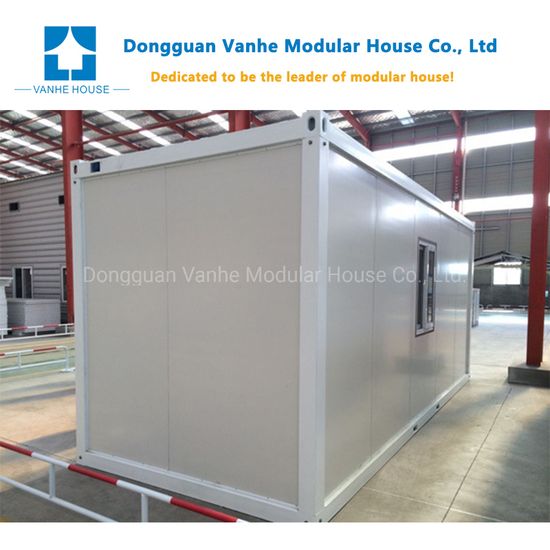


Buyers must prioritize the structural integrity and insulation performance. Ensure the main frame uses galvanized steel with a thickness of at least 2.5mm to 3.0mm to prevent rust and ensure load-bearing capacity. For insulation, polyurethane (PU) sandwich panels or rock wool panels are recommended for superior thermal resistance and fireproofing (Class A rating). Additionally, verify that the floor system uses MGO boards or fiber cement boards with a minimum thickness of 18mm to support heavy furniture.
Compliance varies by destination. For the US market, ensure the units meet ASTM standards and local HUD codes or IBC (International Building Code) requirements. For the EU, look for CE marking and compliance with EN 1090-1 (structural steel). It is critical to verify that all electrical and plumbing components are pre-certified (e.g., UL/CSA for North America or SAA for Australia) to ensure they pass local building inspections upon arrival.
Request data on wind load resistance (should be at least Grade 10-11) and snow load capacity (typically 0.5kN/m² to 1.5kN/m² depending on the region). Ensure the exterior paint is anti-corrosive fluorocarbon coating or high-quality powder coating to withstand UV rays and coastal salt spray. For expandable models, check the hydraulic or manual hinge durability and the quality of waterproof sealing strips at the joints to prevent leaks during heavy rain.
A top-tier supplier on Made-in-China.com should offer modular flexibility, including internal layout adjustments, window/door placement, and aesthetic finishes like external wood-plastic composite (WPC) cladding. They should also provide CAD and 3D modeling services to visualize the final product and ensure all pre-installed kitchen and bathroom fixtures align with the buyer's specific utility requirements.
The biggest risks include damage during maritime transit and non-compliance with local zoning laws. To mitigate these, use Trade Assurance services and hire third-party inspectors (like SGS or Intertek) to conduct a loading supervision check. This ensures the unit is properly braced inside the shipping container and that the materials used match the agreed-upon specifications.
Focus on the Total Cost of Ownership (TCO) rather than just the unit price. Negotiate for spare parts (extra seals, hinges, and touch-up paint) to be included in the bulk price. For large orders, aim for a 30% deposit and 70% balance payment after seeing the Bill of Lading (B/L) or a successful pre-shipment inspection report. Always clarify if the price is FOB (Free on Board) or DDP (Delivered Duty Paid), as inland transportation for oversized containers can be expensive.
Standard 20ft or 40ft Flat-Pack containers are the most cost-effective as they can be bundled (4 units often equal the size of one standard 20ft GP container). For Expandable Houses, they are typically shipped as a 40HQ container itself. Ensure the supplier provides a detailed packing list and installation manual (or video) to avoid costly delays and labor errors during the offloading and assembly process at the destination port.
Always conduct transactions through verified channels. Prioritize Audited Suppliers on Made-in-China.com who have undergone comprehensive on-site checks. Verify their business license, export qualifications, and past shipment records. Avoid direct wire transfers to private accounts; instead, use secure payment platforms that offer dispute resolution and refund policies in case of quality discrepancies.