
Satisfies 1 requirement
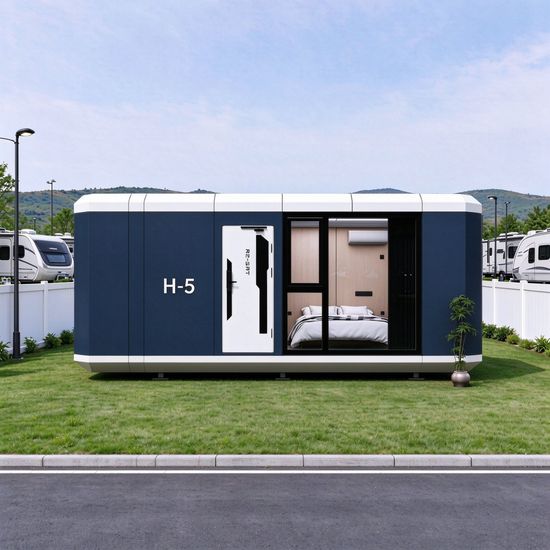
700 Smart Building Modular Foldable Prefab Mobile Luxury Expandable Container Home
US$4,100.00-7,200.00
1 Set(MOQ)

I have found results from200000+products and80000+suppliers aboutHome smart




When procuring smart home devices, prioritize wireless protocol compatibility such as Zigbee 3.0, Z-Wave, or Matter, which ensures cross-brand interoperability. For powered devices, verify voltage range support (110V-240V) to match your target market. Additionally, ensure the hardware supports OTA (Over-the-Air) updates to allow for remote firmware fixes and security patches.
Compliance is non-negotiable for electronic safety and radio frequency. Products must carry CE (EMC/LVD) for the European market, FCC ID for the United States, and RoHS/REACH for chemical safety. For voice-controlled devices, ensure they are officially certified for Amazon Alexa, Google Assistant, or Apple HomeKit to guarantee a seamless user experience.
Request a demo account for the supplier's proprietary app or check if they use the Tuya/Smart Life ecosystem, which offers high stability. Evaluate the latency (response time) of cloud commands; top-tier suppliers maintain a response time of <200ms. Confirm if the supplier provides white-label app customization services if you intend to build your own brand.
Smart home products are increasingly used in Smart Apartments, Assisted Living facilities, and Energy Management systems. Ensure the products offer Open API or SDK access for integration into third-party Property Management Systems (PMS). For security-focused scenarios, prioritize devices with AES-128 bit encryption and two-factor authentication (2FA).
Smart home technology often involves patented designs and software. Always ask the supplier for Patent Authorization Letters and Trademark Certificates. When sourcing from Made-in-China.com, utilize the Audit Reports to verify if the manufacturer has independent R&D capabilities and legitimate ownership of the technology they sell.
Focus on Tiered Pricing based on volume and negotiate for spare parts (usually 1-2%) to be included in the shipment to cover DOA (Dead on Arrival) units. Discuss long-term technical support terms, as smart products require ongoing backend maintenance. For large orders, insist on milestone payments linked to quality inspection results.
Many smart home devices (sensors, locks) contain lithium batteries, which are classified as Dangerous Goods (DG). Ensure the supplier provides a valid UN38.3 Test Report and MSDS (Material Safety Data Sheet). Choose a freight forwarder experienced in battery-inclusive electronics to avoid customs delays or seizures.
Always conduct transactions through secure payment channels provided by reputable platforms like Made-in-China.com, which offer trade escrow services. Before the final payment, hire a third-party inspection agency (like SGS or Intertek) to perform a Pre-Shipment Inspection (PSI) to verify that the functional software matches the approved samples.