
Satisfies 1 requirement
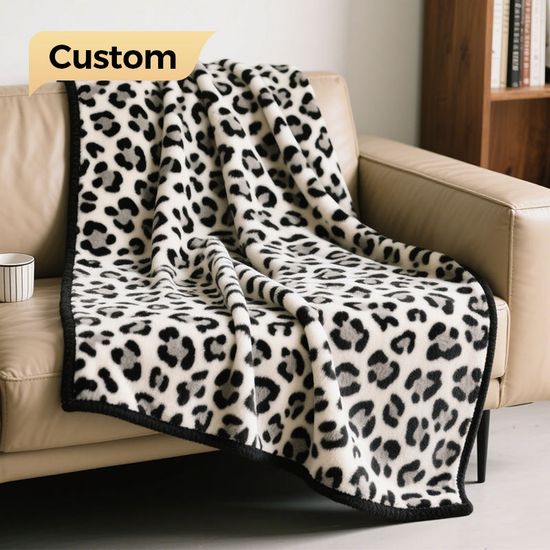
Lower Price Top Quality Heated Soft Wool and Polyester Relief Blanket
US$2.00-50.00
500 Pieces(MOQ)

I have found results from30000+products and9000+suppliers aboutHospital blanket price




The price is primarily driven by material composition and weight (GSM). 100% Cotton thermal blankets with a leno weave are standard for breathability, while polyester-cotton blends offer a balance of durability and cost-efficiency. Flame retardant (FR) properties that meet NFPA 701 or BS 5867 standards will increase the unit cost but are mandatory for medical safety. Additionally, the GSM (Grams per Square Meter)—typically ranging from 280 to 450 GSM—determines the warmth and longevity, with higher density commands a premium price.
Usage scenarios dictate the required durability. For ICU or surgical wards, blankets must withstand high-temperature industrial laundering (up to 90°C) for sterilization, requiring vat-dyed yarns to prevent color bleeding. For long-term care facilities, comfort and anti-pilling finishes are prioritized. Choosing a blanket that is not rated for industrial washing will lead to frequent replacements, increasing the Total Cost of Ownership (TCO) despite a lower initial purchase price.
Buyers must ensure suppliers hold ISO 9001 for quality management and ISO 13485 if the blanket is classified as a medical device in certain jurisdictions. OEKO-TEX Standard 100 certification is crucial to guarantee the absence of harmful substances, which is vital for patient skin contact. For the US market, compliance with CPSC flammability standards is a non-negotiable requirement that reputable suppliers on Made-in-China.com can provide documentation for.
Customization via woven-in logos or heat-transfer printing is economically feasible for orders exceeding 1,000 units. While it adds approximately 5-10% to the unit price, it serves as a critical theft-deterrent and aids in inventory management within large hospital laundry systems. For smaller batches, embroidered labels are a more cost-effective alternative.
The most significant risk is shrinkage and weight discrepancy. Some suppliers may quote for a 400 GSM blanket but deliver 350 GSM to save costs. To mitigate this, always request a pre-shipment inspection (PSI) and specify a shrinkage tolerance of less than 5% in the purchase contract. Ensure the supplier uses pre-shrunk fabrics to maintain size consistency after the first industrial wash.
Focus on Annual Volume Commitments rather than single-order quantities. Suppliers are more likely to offer a 15-20% discount if you sign a Letter of Intent (LOI) for a yearly supply. Additionally, negotiate for FOB (Free On Board) terms to maintain control over shipping costs, and ask for free replacement clauses for any items that fail flammability tests upon arrival.
Utilize Secured Payment services provided by the platform to ensure funds are only released after the Bill of Lading (B/L) is verified. For first-time orders exceeding $50,000, it is advisable to use a Letter of Credit (L/C) to protect both parties against non-performance and financial risk.
Due to the high volume and weight of blankets, Sea Freight (FCL - Full Container Load) is the most cost-effective method. To optimize costs, request vacuum compression packaging, which can increase container capacity by 30-40%, significantly reducing the landed cost per unit. Ensure the packaging is moisture-proof to prevent mold during long transit times.