
Satisfies 1 requirement
Recently Modern Wooden Hospitality Japanese Style Design Double Room Hotel Furniture
US$199.00-599.00
30 Sets(MOQ)

I have found results from60000+products and20000+suppliers aboutJapanese furniture


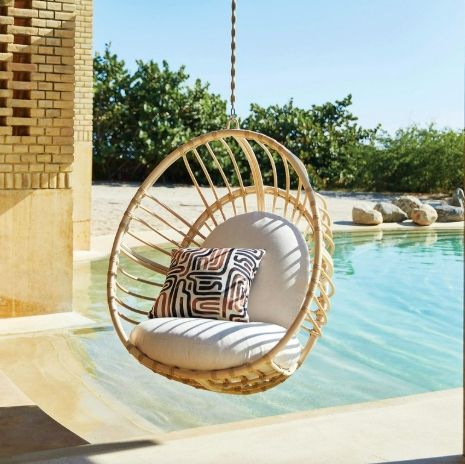


When sourcing Japanese furniture, prioritize solid woods such as Ash (Tamo), Hinoki (Cypress), and Walnut. Ensure the wood is kiln-dried to a moisture content of 8%-12% to prevent warping during cross-border transit. For traditional items like Tatami mats, verify the use of natural Igusa grass with a high-density weave and a non-toxic fiberboard or wood chip core.
Authentic Japanese furniture often utilizes interlocking joinery (Kigumi) rather than metal screws. Request technical drawings or videos showing mortise and tenon joints. For sliding doors (Shoji), ensure the frames are made of warp-resistant fine-grained wood and that the paper used is tear-resistant laminated Washi or high-quality acrylic resin for commercial durability.
Compliance with Formaldehyde emission standards is critical. Look for the JIS (Japanese Industrial Standards) F☆☆☆☆ rating, which is the strictest global standard for low formaldehyde. Additionally, ensure the coatings used are lead-free, eco-friendly wood oils or water-based lacquers that meet REACH or CPSIA requirements for international markets.
Japanese design focuses on multi-functionality and low-profile aesthetics. For floor chairs (Zaisu) or folding tables (Chabudai), check the load-bearing capacity (minimum 100kg) and the durability of folding mechanisms, which should be tested for at least 5,000 cycles. Ensure modular units have seamless alignment with a variance of less than 1mm.
Furniture is prone to impact damage. Insist on 5-layer corrugated export cartons with molded EPS foam corner protectors and vacuum-sealed moisture barriers. For high-value solid wood pieces, wooden crate packaging (fumigated) is mandatory to prevent crushing and humidity-induced mold during sea freight.
Focus on Quality Consistency rather than just the lowest price. Request a Pre-shipment Inspection (PSI) clause in the contract. Negotiate for a 3%-5% spare parts allowance for hardware and small components. For bulk orders, aim for a 15-20% discount compared to sample pricing, and use Diamond Member suppliers on Made-in-China.com for higher reliability.
Always use Secured Payment services provided by Made-in-China.com to protect your funds until delivery is confirmed. Avoid direct transfers to private bank accounts. Ensure the Proforma Invoice (PI) clearly states the Incoterms (e.g., FOB or CIF), detailed product specifications, and the agreed-upon lead time (typically 30-45 days).
Verify the HS Code (typically Chapter 94) for furniture to calculate accurate import duties. Be aware of Anti-Dumping Duties (ADD) that may apply to specific wooden furniture categories in certain regions like the US or EU. Ensure the supplier provides a Certificate of Origin and Fumigation Certificate to facilitate smooth customs clearance.