
Satisfies 1 requirement
127V Lighting Transformer for Coal Mine Explosion Proof Safety Electrical Equipment
US$1,000.00
1 Piece(MOQ)

I have found results from100000+products and30000+suppliers aboutLighting transformer
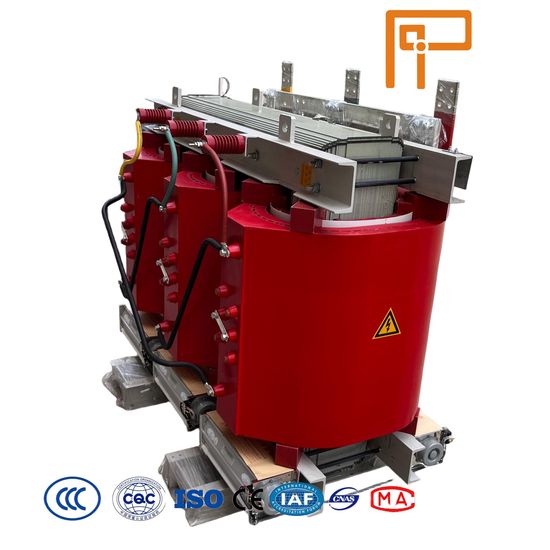


When selecting a lighting transformer, the most critical factor is the Total Load Calculation. You should sum the wattage of all connected lamps and add a 20-25% safety margin to prevent overheating and ensure longevity. For LED applications, prioritize Electronic Transformers (LED Drivers) which provide stable DC output, whereas Magnetic (Inductive) Transformers are better suited for heavy-duty halogen setups due to their robustness and longer lifespan in harsh environments.
Buyers must verify the Input/Output Voltage (e.g., 110V/220V AC to 12V/24V DC) to match local grids and fixture requirements. Look for Efficiency Ratings of 85% or higher to reduce energy waste. Additionally, ensure the unit features Short Circuit, Overload, and Over-temperature Protection to prevent fire hazards. For outdoor use, an IP67 or IP68 waterproof rating is mandatory to withstand moisture and dust.
To ensure market access and safety, products must adhere to specific regional standards. For the US market, UL or ETL Listing is essential; for Europe, CE marking and RoHS compliance (Restriction of Hazardous Substances) are required. If you are sourcing for high-end projects, look for TÜV SÜD or SAA certifications, which indicate rigorous testing for Electromagnetic Compatibility (EMC) to avoid interference with other electronic devices.
Not all transformers support dimming. You must specify if you require TRIAC, 0-10V, or DALI dimming protocols. Ensure the transformer is explicitly labeled as 'Dimmable' and is compatible with the specific dimmer switches used in your project. Mismatched components often lead to flickering, buzzing noises, or premature component failure.
The primary risk is Technical Mismatch, where the frequency (50Hz vs 60Hz) or voltage standards do not align with the destination country. Another risk is Substandard Components, such as using aluminum wiring instead of 100% Pure Copper Coils, which leads to poor conductivity and overheating. Always request a Pre-shipment Inspection (PSI) to verify internal component quality.
Utilize secure payment methods and prioritize Audited Suppliers on professional platforms like Made-in-China.com. Look for the 'Gold Member' or 'Audited Supplier' status, which indicates the supplier has undergone third-party verification of their facilities and business licenses. Always use Trade Assurance services to protect your funds until the goods are confirmed to meet your specifications.
Focus on Component Transparency rather than just the lowest price. Ask for the brand of the Electrolytic Capacitors (e.g., Rubycon or equivalent) as these determine the transformer's lifespan. For bulk orders, negotiate for Extended Warranties (3-5 years) and request a 2% spare parts allowance to cover potential defects during installation without needing international returns.
Lighting transformers, especially magnetic ones, are heavy and sensitive to moisture. Ensure the supplier uses Vacuum-sealed Packaging and reinforced double-wall corrugated boxes with Palletization for sea freight. For electronic drivers, ensure Anti-static Packaging is used. Clearly define Incoterms (e.g., FOB or CIF) in the contract to clarify who bears the risk during transit.