
Satisfies 1 requirement
Sunpal Solar Lithium Lifepo4 Battery Storage 270kW 215 kW 150 kW 100kW Container All In One Solar Energy System
US$0.14-0.20
100,000 WH(MOQ)

I have found results from40000+products and10000+suppliers aboutLithium battery all in one solar storage system


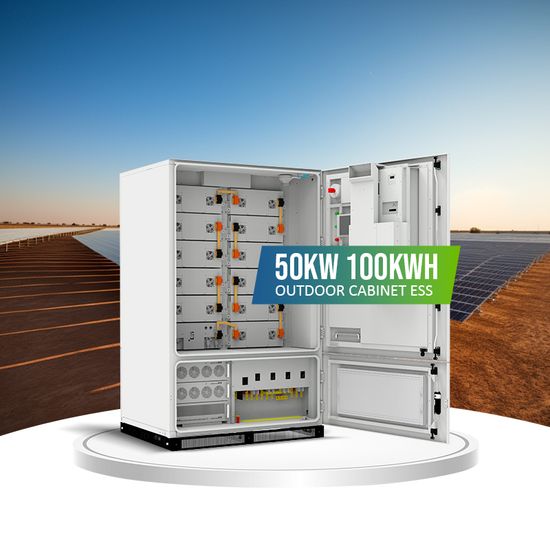


Buyers must prioritize LiFePO4 (Lithium Iron Phosphate) chemistry due to its superior thermal stability and safety compared to ternary lithium. Key metrics include Cycle Life (minimum 6000 cycles at 80% DOD), Depth of Discharge (DOD), and Round-trip Efficiency (should be >95%). Ensure the integrated inverter is a Pure Sine Wave type with a rated power output that matches your peak load requirements.
Verify the MPPT (Maximum Power Point Tracking) voltage range of the built-in controller to ensure it matches your PV array's VOC. For grid integration, confirm the system supports Split-phase or Three-phase output depending on your region's electrical standard (e.g., 110V/220V for US, 230V for EU). Check for RS485, CAN, or Wi-Fi communication interfaces for real-time monitoring and EMS (Energy Management System) integration.
The system must hold UN38.3 certification for safe transport. For market access, look for UL1973 or UL9540 (North America), IEC 62619 (Global), and CE-LVD/CE-EMC (Europe). These certifications guarantee the BMS (Battery Management System) can effectively prevent overcharging, over-discharging, and thermal runaway.
These systems are ideal for Residential Energy Storage (ESS) to achieve energy independence, Off-grid Cabins, and Emergency Backup Power for critical infrastructure. In commercial settings, they are used for Peak Shaving to reduce electricity demand charges and as UPS (Uninterruptible Power Supply) for server rooms or medical clinics.
Lithium batteries are classified as Class 9 Dangerous Goods. You must ensure the supplier provides a MSDS (Material Safety Data Sheet) and a Dangerous Goods Declaration. Shipping via Sea Freight (LCL/FCL) is the most cost-effective method, but ensure the vessel allows battery cargo and that the packaging meets IMDG standards.
Request a Grade A Cell Certification from the manufacturer. Conduct a Pre-shipment Inspection (PSI) through a third-party agency to verify the actual capacity and internal resistance of the battery modules. Using platforms like Made-in-China.com can help you identify Audited Suppliers who have undergone on-site factory verifications.
Negotiate based on Total Energy Cost (Price per kWh) rather than just the unit price. Ask for a tiered pricing structure where the price drops as volume increases. Additionally, negotiate for 1-2% free spare parts (such as BMS boards or cooling fans) to be included in the shipment to handle minor field repairs without international shipping delays.
Ensure the contract specifies a 5 to 10-year performance warranty. Since returning heavy units is logistically impossible, require the supplier to provide remote technical support and a local repair credit or replacement part policy. Confirm if the supplier has local warehouses or service centers in your target country to expedite support.