
Satisfies 1 requirement
Mini Electric Wood Log Grabber Timber Crane Loader for Trailer with
US$10,300.00
1 Piece(MOQ)

I have found results from10000+products and4000+suppliers aboutLog wood loader


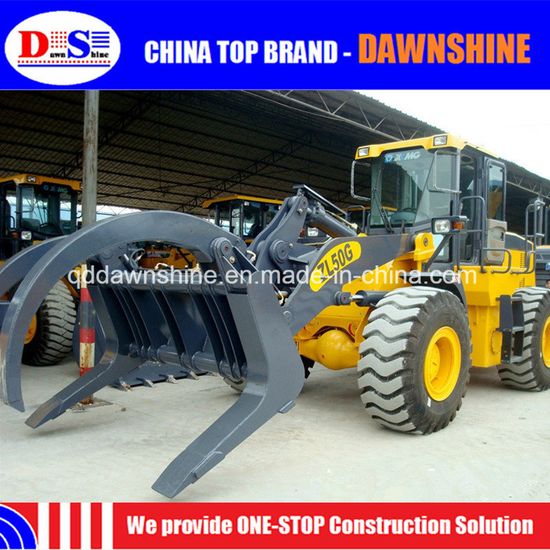


Selecting a log loader requires balancing lifting capacity, reach, and carrier compatibility. For heavy-duty industrial logging, knuckleboom loaders offer superior agility, while wheel or track loaders with log grapples are better for yard stacking. Ensure the maximum lift capacity at full reach exceeds your heaviest logs by at least 20% to maintain hydraulic stability and safety.
Prioritize machines with high-strength alloy steel booms and reinforced hydraulic cylinders to withstand constant stress. Key standards include ISO 9001 for manufacturing quality and CE marking or ANSI/ASME B30.5 for lifting equipment safety. Verify that the hydraulic pump flow rate is sufficient for simultaneous multi-function movements (lifting, rotating, and grabbing) to ensure operational efficiency.
The machine must be equipped with ROPS (Roll-Over Protective Structure) and FOPS (Falling Object Protective Structure) certified cabins to protect operators. Additionally, ensure the equipment complies with EPA Tier 4 or EU Stage V emission standards if importing to North America or Europe. Check for emergency stop valves on hydraulic lines to prevent boom collapse in case of hose failure.
Examine the grapple rotation mechanism; 360-degree continuous rotation with heavy-duty slewing bearings is preferred for professional use. Ask for the greasing point map—centralized lubrication systems significantly reduce downtime. For cross-border purchases, confirm the use of internationally recognized hydraulic components (e.g., Rexroth, Kawasaki, or Danfoss) to ensure spare parts are locally available in your country.
The biggest risks include shipping damage and high freight costs. Due to the size, these are often shipped via Flat Rack containers or Ro-Ro (Roll-on/Roll-off) vessels. Ensure the supplier provides comprehensive marine insurance and uses anti-corrosion wax coatings to protect sensitive hydraulic rods from salt air during sea transit.
Focus on the Total Cost of Ownership (TCO) rather than just the sticker price. Negotiate for a wear-parts package (filters, seals, and hoses) to be included in the initial price. For bulk orders or high-value machinery, request video inspections of the load-testing phase and aim for a payment structure like 30% deposit and 70% against the Bill of Lading (B/L) to mitigate financial risk.
Heavy machinery often requires specialized customs HS Code classification (typically Chapter 84). Ensure the supplier provides a Certificate of Origin to benefit from potential trade agreements. If shipping to the US or EU, verify that the engine serial numbers match the emissions certificates provided, as non-compliant engines may be seized or denied entry by customs.
Utilize Secured Trading Services on Made-in-China.com to protect your funds until the goods are shipped. It is highly recommended to hire a third-party inspection agency (like SGS or BV) to perform a pre-shipment inspection, focusing on weld integrity, hydraulic pressure stability, and functional testing under load.