
Satisfies 1 requirement
Full-Hydraulic CE/EPA Mini Compact Small Front End Wheel Best Track Crawler Skid Steer Gasoline Diesel Shovel Backhoe Excavator Farm Loader
US$1,888.00
1 sets(MOQ)

I have found results from70000+products and20000+suppliers aboutMini shovel loader


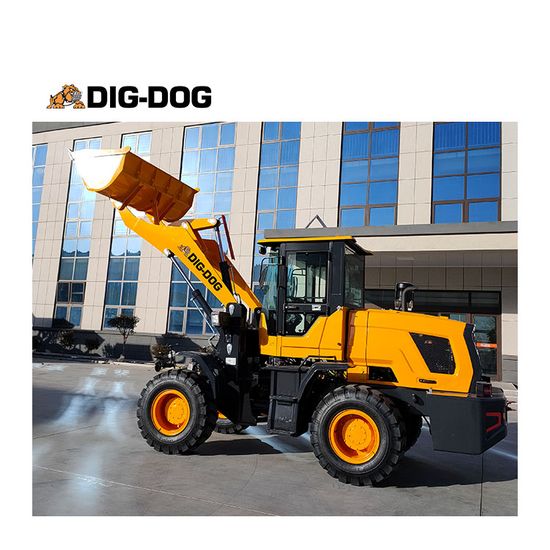


When selecting a mini shovel loader, you must prioritize the Rated Load Capacity (typically ranging from 500kg to 1500kg for mini models) and the Maximum Dump Height to ensure it meets your specific operational needs. Pay close attention to the Engine Brand and Emission Standards; reputable brands like Kubota, Yanmar, or Perkins are preferred for international reliability, and engines must meet EPA Tier 4 or EU Stage V standards for North American and European markets. Additionally, evaluate the Hydraulic System Pressure and flow rate, as these determine the efficiency of attachments.
Verify that the supplier holds ISO 9001 certification for manufacturing quality management. The machine itself must have a CE Marking for the European market or comply with ANSI/ITSDF standards for the US. Crucially, ensure the cabin or canopy is ROPS (Roll-Over Protective Structure) and FOPS (Falling Object Protective Structure) certified to guarantee operator safety in construction or mining environments.
Mini shovel loaders are engineered for confined spaces and urban construction sites where maneuverability is key. They are ideal for landscaping, small-scale agricultural work, indoor demolition, and municipal maintenance. Their compact footprint allows for easy transport between sites using standard trailers, significantly reducing logistics costs compared to heavy machinery.
Regular maintenance should focus on the hydraulic oil filtration system and daily greasing of pivot points and joints. Buyers should choose suppliers that provide a comprehensive spare parts kit (including filters, seals, and belts) with the initial purchase. Ensure the design allows for easy access to the engine compartment for routine checks of coolant, oil levels, and battery health to minimize downtime.
To minimize risk, always utilize Third-Party Inspection services (such as SGS or TÜV) to conduct a pre-shipment inspection focusing on weld quality, hydraulic leaks, and functional testing. When sourcing via Made-in-China.com, prioritize Audited Suppliers who have undergone on-site verification. Use secure payment terms like 30% deposit and 70% balance against the Bill of Lading (B/L) or Letter of Credit (L/C) for large volume orders.
For cost-efficiency, mini loaders are often shipped via Container (20GP or 40HQ) rather than Ro-Ro (Roll-on/Roll-off) to protect the machinery from saltwater corrosion. Ensure the supplier uses heavy-duty steel wire and chocks to secure the machine inside the container. Request FOB (Free On Board) terms if you have a reliable freight forwarder, or CIF (Cost, Insurance, and Freight) if you want the supplier to handle insurance and transit to your destination port.
Consult with a local customs broker to identify the correct HS Code (typically 8429.51) for your region to determine applicable import duties and taxes. Be aware of Anti-Dumping Duties that may apply to specific machinery categories in certain countries. Ensure all documentation, including the Commercial Invoice, Packing List, and Certificate of Origin, is accurately prepared to avoid costly delays at customs.
Focus negotiations not just on the unit price, but on the warranty period (aim for 12-24 months) and the inclusion of wear-and-tear parts. Negotiate for customized branding (OEM) if you are a distributor. For bulk orders, request a progressive discount structure where the unit price decreases as the quantity of units per container increases, maximizing your Return on Investment (ROI).