
Satisfies 1 requirement
Cheap Prefab Expandable Folding Houses Quick Concrete Flat Pack Fold out Storage Container Homes Foldable Units Portable Office
US$3,500.00-20,000.00
1 Set(MOQ)

I have found results from30000+products and9000+suppliers aboutPrefab concrete home


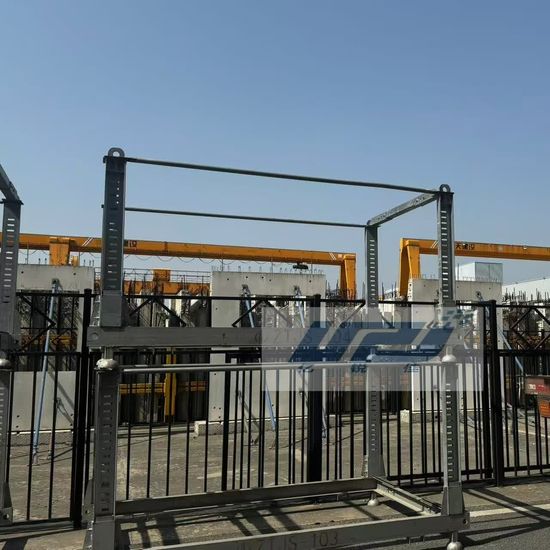


When sourcing prefab concrete homes, the concrete grade (typically C30 or higher) is critical for structural integrity. You must verify the wall thickness (usually 100mm to 200mm) and the inclusion of thermal insulation layers like EPS or Rockwool to ensure energy efficiency. Additionally, check the reinforcement steel specifications (rebar grade) to ensure the structure can withstand seismic activities and heavy wind loads.
Compliance is the most vital factor in cross-border housing procurement. Ensure the supplier provides ISO 9001 for quality management and CE marking for European markets or ASTM standards for North America. You should specifically request fire resistance ratings (e.g., Class A1 non-combustible) and wind load certifications that match the local building codes of the destination country.
These homes are ideal for rapid-deployment housing projects, eco-resorts, and affordable residential developments. Their functional advantages include superior sound insulation, termite resistance, and extreme durability compared to timber or light-steel frames. They are also highly suitable for modular expansion, allowing buyers to add units vertically or horizontally as needs grow.
Beyond the initial purchase price, calculate the foundation preparation costs, crane rental fees for assembly, and interior finishing expenses. While the unit price might be competitive, shipping heavy concrete panels can be expensive; therefore, sourcing from suppliers who offer flat-pack or high-density loading designs can reduce freight costs by up to 20-30%.
The biggest risks include logistical damage (cracking during transit) and non-compliance with local zoning laws. To mitigate this, use professional third-party inspectors like SGS to verify the loading process and ensure the structural drawings are pre-approved by a licensed engineer in your local jurisdiction before the production starts.
Focus on customization flexibility and technical support. Negotiate for the inclusion of detailed assembly manuals and video guidance, or even the temporary deployment of a technical supervisor to your site. For bulk orders, aim for a staggered payment schedule (e.g., 30% deposit, 40% after mid-term inspection, 30% before shipping) to maintain leverage over quality.
Always use Trade Messenger or secure payment systems provided by Made-in-China.com to ensure a paper trail. Regarding logistics, choose Breakbulk shipping or specialized Flat Rack containers for oversized concrete components. Ensure the Incoterms are clearly defined; CIF (Cost, Insurance, and Freight) is often preferred for first-time buyers to ensure the supplier handles the complex maritime insurance for heavy cargo.