
Satisfies 1 requirement
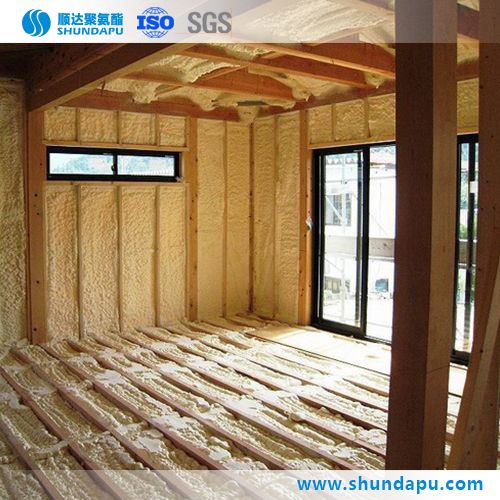
Saigao Construction Carton Polyurethane Shandong Chemical Building Material Spray PU Foam
US$0.80
4,000 Pieces(MOQ)

I have found results from100000+products and80000+suppliers aboutPu foam in chemicals




When purchasing PU Foam chemicals (Polyol and Isocyanate), you must evaluate the density (kg/m³), compressive strength, and thermal conductivity (Lambda value). For rigid foam applications, ensure the closed-cell content is above 90% to guarantee superior insulation. For flexible foams, focus on indentation force deflection (IFD) and resilience levels to meet comfort standards.
Suppliers must provide Material Safety Data Sheets (MSDS) and comply with REACH (Registration, Evaluation, Authorisation and Restriction of Chemicals) for the EU market. For construction-grade foam, look for ASTM E84 or EN 13501-1 fire rating certifications (Class B1 or B2) to ensure flame retardancy. Additionally, verify that the blowing agents used are CFC-free and HCFC-free to align with global environmental protocols like the Montreal Protocol.
The reactivity profile, specifically Cream Time, Gel Time, and Tack-free Time, determines the compatibility with your machinery. You must ensure the chemical system's reaction speed matches your conveyor speed or mold injection cycle. A mismatch can lead to structural defects like voids, shrinkage, or poor adhesion to substrates.
PU chemicals are highly sensitive to moisture and temperature. Ensure the supplier guarantees a shelf life of at least 6–12 months when stored in original sealed containers. The ideal storage temperature is typically between 15°C and 25°C; exposure to moisture will cause Isocyanates (MDI/TDI) to crystallize, rendering the chemical unusable.
PU chemicals, particularly Isocyanates, are often classified as Class 6.1 or Class 9 hazardous materials depending on the formulation. You must ensure the supplier provides UN-certified packaging (steel drums) and a Dangerous Goods (DG) Declaration. Always confirm if your chosen port and local logistics provider are equipped to handle IMO-regulated shipments.
The prices of MDI and Polyol fluctuate based on crude oil prices and global supply capacity. To manage costs, consider long-term framework agreements with price indexing or utilize Made-in-China.com's Diamond Members who offer stable supply chains. Avoid 'spot price' traps by requesting a price validity period of at least 15 days in your formal quotations.
Never skip the pre-shipment sample testing. Request a Certificate of Analysis (COA) for every batch. For large-scale orders, it is highly recommended to hire a third-party inspection agency (like SGS or Intertek) to perform a loading supervision to ensure the drums are not damaged and the batch numbers match the COA.
Use secure payment methods such as Letters of Credit (L/C) for large volumes or Escrow-based trade assurance services provided by reputable platforms like Made-in-China.com. This ensures that funds are only released once the Bill of Lading (B/L) and required chemical permits are verified.