
Satisfies 1 requirement
Waterproof PVC Coated Roll Agricultural Use Stretch Nonwoven Fabric with UV & Water Resistance PVC Mesh Fabric
US$0.35
100 Rolls(MOQ)

I have found results from80000+products and20000+suppliers aboutPvc non woven fabric
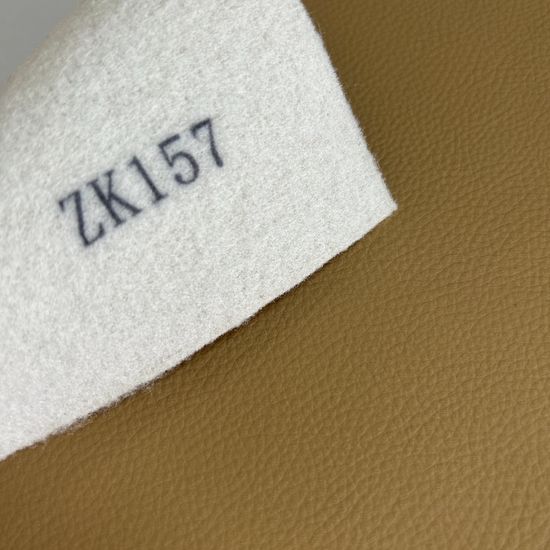


When evaluating PVC Non-Woven Fabric, you must focus on Gram Weight (GSM), which typically ranges from 60g to 1500g depending on the application. For industrial use, ensure the tensile strength meets your specific load-bearing requirements. Additionally, verify the coating thickness and the base fabric density (Dtex/Denier), as these directly impact the material's tear resistance and durability.
Compliance is critical for market entry. For the EU market, ensure the fabric is REACH compliant (free of harmful phthalates and heavy metals) and carries the CE mark. For the US market, adherence to ASTM D6413 for flame retardancy and CPSIA standards (if used in consumer goods) is mandatory. Always request SGS or Intertek test reports to verify these claims.
The functional finish must match the end-use. For outdoor applications (like tarpaulins or awnings), prioritize UV resistance (Grade 4-5) and hydrostatic pressure resistance. For medical or hygiene products, the fabric must be antibacterial and hypoallergenic. If used in automotive interiors, ensure it meets FMVSS 302 flammability standards and has low VOC emissions.
To optimize costs, evaluate the width utilization to minimize waste during cutting; standard widths are often 1.5m to 3.2m. Consider the Minimum Order Quantity (MOQ), which usually starts at 1,000 to 3,000 meters. Purchasing in jumbo rolls can reduce unit costs by 5-10% compared to small rolls, but requires specialized handling equipment at your facility.
The primary risk is quality inconsistency between the approved sample and the bulk shipment, particularly regarding color shading and coating adhesion. Another risk is environmental regulation changes; some countries are tightening restrictions on PVC. To mitigate this, use Made-in-China.com's Secured Trading services and hire a third-party inspector to conduct a Pre-Shipment Inspection (PSI).
Always negotiate for milestone-based payments, such as a 30% deposit and the 70% balance payable against the Bill of Lading (B/L) or after a successful inspection report. Clearly define the Defective Rate threshold (usually <2%) in the contract. For long-term partnerships, ask for price protection clauses to hedge against fluctuations in raw PVC resin prices.
PVC Non-Woven Fabric is heavy and bulky. Ensure the supplier uses heavy-duty PVC wrapping and cardboard cores to prevent roll deformation during sea freight. To save on shipping costs, calculate the container loadability carefully; for example, a 40HQ container is usually more cost-effective than a 20GP for large rolls. Ensure the HS Code (typically 5603 or 3921) is correctly declared to avoid customs delays or incorrect duty applications.