
Satisfies 1 requirement
Rotary Kiln Activated Carbon Furnace for Industrial Carbon Production
US$596,000.00
1 Set(MOQ)

I have found results from20000+products and6000+suppliers aboutRotary kiln furnace


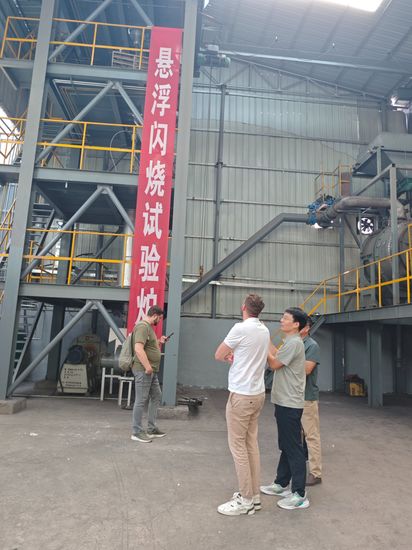


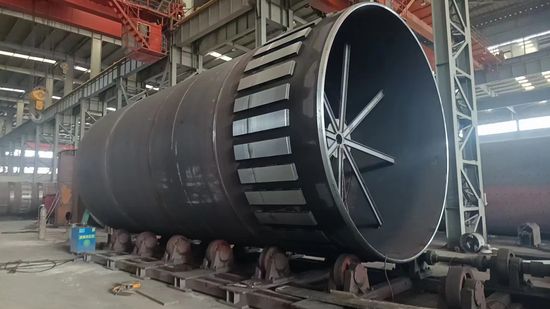


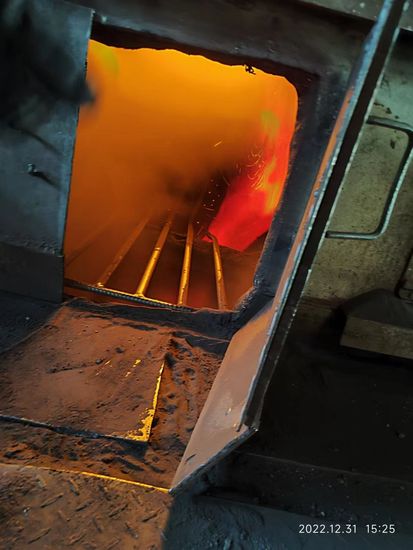


When sourcing a rotary kiln, you must prioritize the shell material, typically Q235 or higher-grade carbon steel, and the refractory lining thickness, which determines thermal efficiency. Pay close attention to the kiln slope (usually 3% to 5%) and the rotation speed (RPM), as these directly impact the material residence time and processing capacity. Ensure the drive system utilizes a variable frequency drive (VFD) for precise control and that the sealing device (graphite block or hydraulic) is high-quality to prevent heat loss and air leakage.
For global trade, the equipment must adhere to ISO 9001 for manufacturing quality management. Depending on the destination, CE marking is essential for the European market, while ASME (American Society of Mechanical Engineers) standards are critical for pressure-related components in the US. Additionally, verify that the electrical control systems meet IEC or UL standards to ensure operational safety and compatibility with local power grids.
Evaluate the heat recovery system, such as a preheater or cooler, which can reduce fuel consumption by up to 20-30%. Request data on NOx and SO2 emission control technologies integrated into the kiln design. A high-efficiency burner capable of using multi-fuel sources (gas, oil, or pulverized coal) provides economic flexibility and helps in meeting local environmental protection agency (EPA) or equivalent standards.
A reputable supplier should provide a comprehensive O&M (Operation and Maintenance) manual and a 12-24 month warranty on core components like the girth gear and riding rings. Ensure the supplier offers on-site installation guidance, commissioning services, and technical training for your local operators. Availability of wear-resistant spare parts (e.g., kiln tires, rollers, and seals) for at least 5-10 years is a critical factor for long-term operational stability.
The main risks include structural deformation during transit and corrosion from sea air. It is vital to specify heavy-duty seaworthy packaging, including anti-rust coating and vacuum plastic wrapping for machined surfaces. For oversized kiln sections, ensure the supplier uses Breakbulk shipping or Flat Rack containers, and verify that the Marine Insurance covers 'All Risks' from the factory to the final site.
For large-scale equipment, avoid 100% upfront payments. A standard B2B structure is 30% deposit, 60% after successful FAT (Factory Acceptance Test) and before shipment, and 10% as a retention bond after installation. Use Made-in-China.com's secured trading services or a Letter of Credit (L/C) to ensure funds are only released upon verification of shipping documents and third-party inspection reports.
Request a third-party factory audit report (e.g., from SGS or TÜV) to confirm the supplier's production capacity and technical expertise. Check for past project references in your specific industry (e.g., cement, lime, or waste treatment). On Made-in-China.com, prioritize Audited Suppliers who have a proven track record of exporting heavy machinery and hold valid export licenses for specialized industrial goods.
Buyers must investigate Anti-Dumping Duties (ADD) or specific steel tariffs applicable to heavy machinery in their country. Consult with a local customs broker to determine the correct HS Code (typically 8417.80) to calculate accurate import duties. Factor in inland transportation costs from the port to your facility, as specialized heavy-lift trailers and permits are often required for oversized kiln shells.