
Satisfies 1 requirement
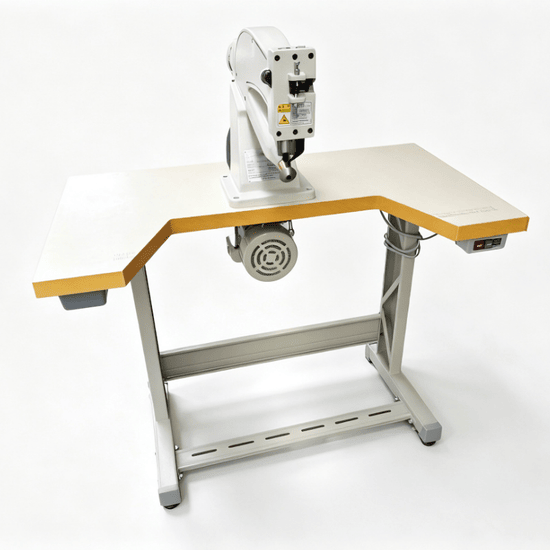
Security Boot Rain Boot Safety Shoe Sport Shoe Making Machine Vulcanizing Machine
US$3,000.00-10,000.00
1 Set(MOQ)

I have found results from100000+products and60000+suppliers aboutSafety shoes machinery




When procuring safety shoes machinery, focus on the Injection Molding Pressure and Clamping Force, as these determine the bond strength between the sole and the upper. For PU (Polyurethane) injection machines, ensure the metering pump precision is within ±0.5% to maintain consistent chemical ratios. Additionally, verify the number of workstations (e.g., 24, 30, or 36 stations) to match your required production capacity per hour. High-quality machines should feature PLC control systems (like Siemens or Delta) for automated temperature and pressure regulation.
The machinery must comply with the EU Machinery Directive (CE Marking) to ensure operational safety. Since safety shoes themselves must meet EN ISO 20345 standards, the machinery must be capable of producing outsoles that pass impact resistance (200 Joules) and compression tests. Ensure the supplier provides ISO 9001 certification for their manufacturing process and check for UL certification if the equipment is intended for the North American market to ensure electrical component safety.
Calculate the Total Cost of Ownership (TCO) by including the initial purchase price, installation costs, and energy consumption rates. Automated DESMA-type or rotary injection machines can reduce labor costs by up to 40% compared to manual cementing processes. Evaluate the cycle time per pair; a high-efficiency machine should produce a pair every 15-20 seconds. Also, consider the waste rate; precision injection systems should maintain a material scrap rate of less than 2%.
Regular maintenance is critical for hydraulic systems and injection nozzles. Ensure the supplier provides a detailed maintenance schedule and a wear-parts kit (including seals, heaters, and sensors). The machine should have an auto-lubrication system to protect moving parts. Ask if the supplier offers remote diagnostic support via internet-connected PLC modules, which can reduce downtime by 30-50% during technical glitches.
Never release the final payment without a Pre-Shipment Inspection (PSI). You should hire a third-party agency (like SGS or Intertek) to conduct a Fatality Test and Running Test at the factory. Ensure the machine runs continuously for at least 4-8 hours to check for oil leaks, overheating, or electrical instabilities. For complex safety shoe lines, request a video factory audit or a live demonstration of the specific mold-clamping sequence.
The primary risks are corrosion during sea freight and mechanical damage due to improper lashing. Insist that the supplier uses vacuum packaging with silica gel desiccant for electronic cabinets and applies anti-rust oil to all exposed metal surfaces. Ensure the contract specifies FOB or CIF terms and requires the use of Open Top or Flat Rack containers if the machinery dimensions exceed standard 40HQ limits.
Utilize Trade Security services provided by Made-in-China.com to ensure your payment is held in escrow until shipping documents are verified. Use a Letter of Credit (L/C) for large capital expenditures to mitigate risk. Clearly define the Warranty Period (minimum 12-24 months) and ensure the contract includes a clause for on-site installation and technician training at your facility.
Check the HS Code (typically 845320 for shoe-making machinery) against your country's tariff schedule. Be aware of Anti-Dumping duties or specific import permits required for industrial pressure vessels. Ensure the supplier provides a Certificate of Origin (CO) to take advantage of any Free Trade Agreements (FTAs) that could reduce your import duties by 5-10%.