
Satisfies 1 requirement
SL 62 72 Steel Concrete Reinforcing Welded Wire Mesh Low Cost Galvanized Metal Netting Panel for Construction Site Wall Reinforced
US$10.60-12.58
800 pieces(MOQ)

I have found results from80000+products and20000+suppliers aboutSteel concrete mesh


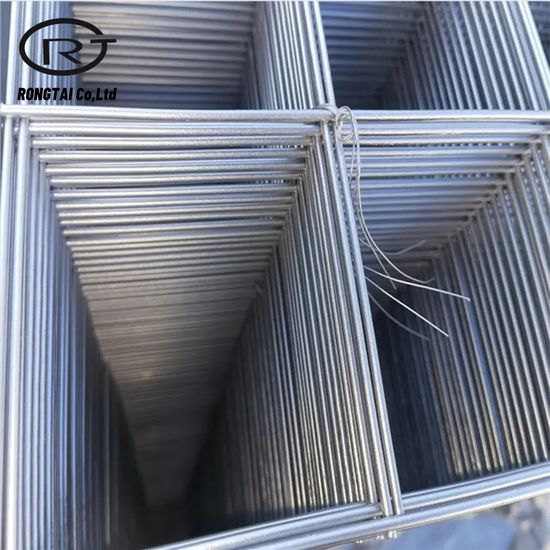


When evaluating steel concrete mesh (also known as reinforcing welded wire fabric), you must prioritize wire diameter (typically 4mm to 12mm) and mesh opening sizes (e.g., 100mm x 100mm or 200mm x 200mm). Ensure the material is cold-rolled ribbed steel bar or hot-rolled ribbed bar, as the ribs significantly enhance the mechanical bond with concrete. Always verify the tensile strength and yield point to ensure they meet the structural load requirements of your specific construction project.
Compliance is non-negotiable in construction. You should seek suppliers whose products adhere to ASTM A1064 (for US markets), AS/NZS 4671 (for Australia/New Zealand), or BS 4483 (for UK/International standards). Ensure the manufacturer holds an ISO 9001 certification for quality management and can provide Mill Test Certificates (MTC) for every batch to trace the chemical composition and physical properties of the steel.
The choice of surface treatment depends on the environment. Black steel mesh is the most economical but prone to rust if stored improperly. Galvanized steel mesh (hot-dipped) offers superior corrosion resistance, making it ideal for coastal areas or thin concrete slabs. Epoxy-coated mesh is used for high-corrosion environments like bridge decks. While galvanized and epoxy options increase the initial procurement cost by 20-40%, they significantly reduce long-term maintenance and structural failure risks.
Standard square mesh is primarily used for floor slabs, pavements, and driveway reinforcement. Trench mesh (long and narrow) is specifically designed for residential footing trenches. For heavy-duty industrial applications like runways or warehouse floors, heavy-gauge structural mesh is required. Understanding the application helps in choosing between sheets (flat) for precision or rolls for easier transport and large-area coverage.
The most significant risks include quality inconsistency (sub-gauge wire) and rusting during sea transit. To mitigate this, specify the minimum wire tolerance (usually ±0.2mm) in the contract. Ensure the supplier uses seaworthy packaging, including waterproof plastic wrapping and steel strapping, to prevent moisture damage during long-term maritime exposure.
Focus on volume-based pricing tiers. Steel is a commodity, so prices fluctuate with the global iron ore market. Negotiate for a fixed price validity period (e.g., 7-14 days) to protect against sudden market spikes. Additionally, request Third-Party Inspection (TPI) rights, such as SGS or Intertek, to verify the quantity and wire gauge before the final balance payment is made.
Steel mesh is heavy and dense, making Full Container Load (FCL) the most cost-effective shipping method. Use 20GP containers rather than 40GP, as steel reaches weight limits long before volume limits. Ensure your local port has the heavy-lift equipment necessary to handle bundles that can weigh up to 2-3 tons each. Clarify Incoterms clearly; FOB (Free On Board) is recommended for buyers with their own freight forwarders to better control costs.
Utilize Secured Trading services on Made-in-China.com to ensure your payment is only released upon confirmation of shipment. Be aware of Anti-Dumping Duties (ADD); some countries impose high tariffs on steel products from specific regions. Always check your local customs tariff code (HS Code 731420) to calculate the total landed cost, including duties and taxes, before finalizing the purchase.