
Satisfies 1 requirement
Sitelun Brazed Carbide T-Slot Milling Cutter Full Series 20mm-60mm Diameter Carbide T-Slotting Cutter for CNC Machining Center
US$3.30
5 Pieces(MOQ)

I have found results from30000+products and10000+suppliers aboutT-slot milling cutters


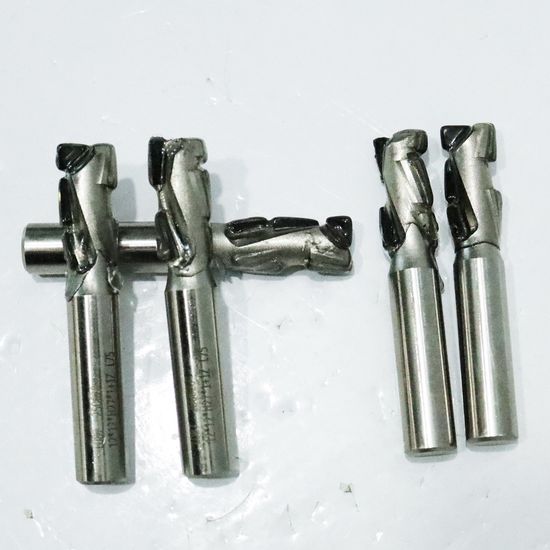


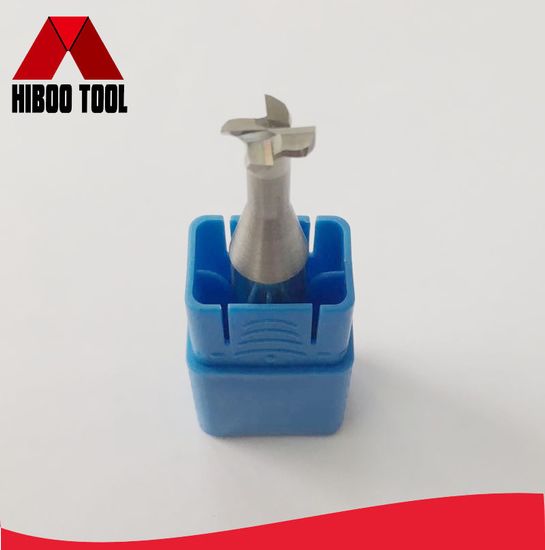


For high-performance machining, you should prioritize Tungsten Carbide (Solid Carbide) for its superior hardness and heat resistance, especially when working with stainless steel or titanium. For general-purpose tasks on softer steels or aluminum, High-Speed Steel (HSS-Co8) with cobalt content offers better toughness and resistance to chipping. Ensure the supplier provides material grade certifications to verify the tool's longevity and performance under high-stress conditions.
Select staggered-tooth designs for deep slotting to reduce cutting forces and improve chip evacuation. For finishing operations, a straight-tooth design provides a smoother surface profile. Regarding coatings, AlTiN (Aluminum Titanium Nitride) is essential for high-temperature dry machining, while TiN (Titanium Nitride) is suitable for general purpose. For non-ferrous metals like aluminum, a DLC (Diamond-Like Carbon) coating or uncoated polished flutes are recommended to prevent Built-Up Edge (BUE).
Standard T-slot cutters must adhere to DIN 650 (for T-slots on machine tools) and DIN 851 (for the cutters themselves). Verify that the shank diameter tolerance is h6 for precision tool holding and that the cutting head width tolerance meets your specific engineering requirements (typically within +0.1mm to +0.3mm for standard slots). Requesting a CMM (Coordinate Measuring Machine) inspection report for bulk orders is a professional way to ensure consistency.
T-slot cutters are primarily used in machine tool table manufacturing, automotive engine blocks, and aerospace structural components. To prevent tool breakage, ensure adequate coolant flow to flush chips out of the narrow slot, as chip recutting is the leading cause of failure. Maintenance should include regular inspection for micro-cracks under a microscope and professional regrinding once the flank wear exceeds 0.3mm.
Always utilize Trade Assurance services provided by reputable platforms like Made-in-China.com to protect your payment until delivery is confirmed. Conduct a factory audit or video inspection to verify the supplier's production equipment (e.g., CNC grinding machines from Walter or ANCA). For large orders, hire a third-party inspection agency (like SGS or Intertek) to perform a random sampling test on hardness (HRC) and dimensional accuracy before the balance payment is made.
Focus on Total Cost of Ownership (TCO) rather than just the unit price. Negotiate for tiered pricing where the unit cost drops by 15-25% as volume increases from 50 to 500 pieces. Ask for OEM/ODM customization (such as specific neck lengths or corner radii) to be included in the bulk price. Additionally, request free samples for initial testing, but offer to cover the air express shipping costs to show professional intent.
Precision tools are susceptible to corrosion and physical impact. Ensure the contract specifies individual plastic tube packaging with anti-rust oil coating for each cutter. For international shipping, use moisture-proof desiccants inside the master cartons. Given the high value-to-weight ratio of carbide tools, Air Freight is often more economical and safer than sea freight to reduce the risk of oxidation during long transit times.
Check the HS Code (typically 8207.70) for milling tools in your country to determine applicable import duties and anti-dumping taxes. Some regions impose additional tariffs on specialized steel products. Ensure the supplier provides a correct Certificate of Origin (CO) to take advantage of any Free Trade Agreements (FTAs) that might reduce your tax liability.