
Satisfies 1 requirement
0.8t 08 Small Trench Cheapest Hire Price Garden Backyard Mini Digger with Attachments Near Me
US$2,500.00-3,200.00
1 Piece(MOQ)

I have found results from10000+products and6000+suppliers aboutTrench digger


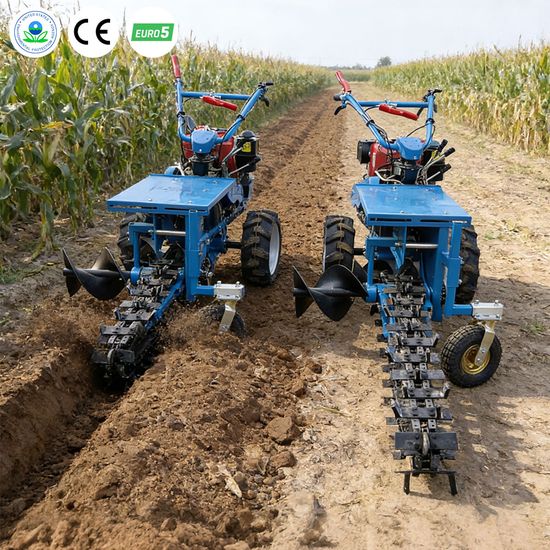


Selecting a trench digger requires matching the machine's power to the terrain. For soft soil or landscaping, a walk-behind manual trencher is sufficient. However, for hard-packed clay or rocky ground, you must prioritize ride-on or tractor-mounted trenchers with high-torque hydraulic systems. Ensure the digging depth and width are adjustable; standard utility trenching usually requires a depth of 24 to 48 inches. Always verify the engine horsepower (HP)—commercial projects typically demand at least 20-50 HP for efficiency.
Buyers must ensure the equipment meets CE marking (Europe) or ANSI/ASME standards (USA) for mechanical safety. Key technical components to inspect include the chain strength (tensile strength) and the teeth material, where tungsten carbide-tipped teeth are preferred for longevity. For hydraulic models, check for high-quality seals and hoses to prevent leaks. If sourcing from Made-in-China.com, look for suppliers with ISO 9001 certification to ensure consistent manufacturing quality.
Due to the high-wear nature of trenching, prioritize suppliers offering comprehensive spare parts kits (including extra chains, teeth, and filters). A professional supplier should provide detailed O&M (Operation and Maintenance) manuals and video technical support. Confirm the warranty period, which should ideally be 12 to 24 months for core components like the engine and hydraulic pump. Ask if the supplier has local service partners or can ship replacement parts via express air freight to minimize downtime.
The biggest risks include shipping damage and non-compliance with local emissions standards (e.g., EPA Tier 4 or EU Stage V). To mitigate this, require the supplier to use heavy-duty steel crate packaging and provide pre-shipment inspection (PSI) reports. Use Made-in-China.com's secured payment services to ensure funds are only released after the bill of lading is verified.
Focus on the Total Cost of Ownership (TCO) rather than just the sticker price. Negotiate for bundled wear-and-tear parts and customized branding (OEM) if you are a distributor. For bulk orders of 5+ units, aim for a 10-15% discount or request FOB (Free On Board) terms to maintain better control over your ocean freight costs and insurance.
For large ride-on trenchers, Ro-Ro (Roll-on/Roll-off) shipping is often the safest and most efficient. For smaller walk-behind units, LCL (Less than Container Load) in reinforced crates is standard. Ensure your freight forwarder is experienced in heavy machinery customs clearance to avoid unexpected demurrage fees at the destination port.