
Satisfies 1 requirement
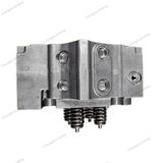
Nt855 Complete Cylinder Head with Valves 3041992 for Cummins Engine.
US$260.00-300.00
1 Piece(MOQ)

I have found results from90000+products and30000+suppliers aboutValve cylinder head factory




Buyers must prioritize material composition, typically choosing between High-Grade Aluminum Alloy (e.g., A356) for weight reduction and heat dissipation, or Grey/Ductile Cast Iron for heavy-duty durability. Ensure the factory utilizes CNC Precision Machining to maintain tolerances within ±0.01mm for valve seats and guides. Additionally, verify the surface roughness (Ra) levels and the integrity of coolant passages through pressure testing to prevent premature engine failure.
A reputable factory must hold IATF 16949:2016 certification, which is the global standard for automotive quality management systems. For specific markets, ensure compliance with ISO 9001 for general manufacturing and CE or SAE standards where applicable. Always request Material Test Reports (MTR) and Spectrometer Analysis results to confirm the chemical alloying elements meet your specific engine requirements.
Assess the factory's use of Gravity Casting, Low-Pressure Die Casting, or Lost Foam Casting technologies based on your volume and complexity needs. A professional factory should offer in-house mold design (CAD/CAM) and Coordinate Measuring Machine (CMM) inspection. For B2B buyers, it is critical to confirm a monthly production capacity that exceeds your peak demand by at least 20% to ensure supply chain stability.
Cylinder heads are categorized by application: Passenger Vehicles, Heavy-Duty Trucks, Construction Machinery, or Marine Engines. Compatibility is determined by the OEM Part Number, engine model (e.g., Diesel vs. Gasoline), and valve configuration (SOHC vs. DOHC). Ensure the factory provides a fitment guarantee and supports customization (ODM/OEM) for aftermarket performance enhancements or discontinued vintage engine blocks.
Implement a multi-stage inspection strategy. Request a pre-production sample for destructive testing and metallurgical analysis. Before final shipment, hire a third-party inspection agency (such as SGS or Intertek) to perform a 100% visual check and a leakage test on a random sample (AQL 1.0). Utilizing the Secured Trading Services on Made-in-China.com can provide an extra layer of payment protection until the goods are verified.
Focus on Total Cost of Ownership (TCO) rather than just the unit price. Negotiate tiered pricing where a 15-20% discount is applied when moving from LCL (Less than Container Load) to Full Container Load (FCL) orders. For new engine models, negotiate a mold fee rebate program where the initial tooling cost is refunded after reaching a specific cumulative order volume (e.g., 5,000 units).
Cylinder heads are heavy and prone to oxidation. Insist on VCI (Volatile Corrosion Inhibitor) plastic bagging and anti-rust oil coating for all machined surfaces. Products should be packed in individual reinforced wooden crates or heavy-duty corrugated boxes with custom foam inserts. For sea freight, ensure the pallets are fumigated (ISPM 15 compliant) and the load is balanced to prevent shifting during transit.
Verify the HS Code (typically 8409.91 or 8409.99) to calculate accurate import duties and Anti-Dumping Duties (ADD) in your country. Stay informed on Environmental Protection Agency (EPA) or Euro 6 emission standards, as the cylinder head design directly impacts engine emissions. Work with a freight forwarder experienced in automotive components to ensure all 'Certificate of Origin' documents are correctly filed to leverage Free Trade Agreements (FTAs).