
Satisfies 1 requirement
Commercial Stacked Washer Dryer for Multi-Pay Laundromat
US$2,200.00
1 SET(MOQ)

I have found results from60000+products and10000+suppliers aboutWholesale washer dryers


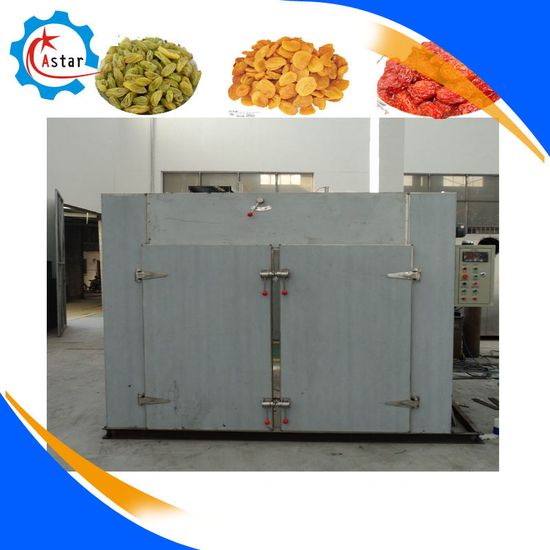


Buyers should focus on inverter motor technology for energy efficiency and noise reduction (ideally <58dB during spin). Capacity is critical; for B2B markets, 8kg to 10kg wash/6kg dry combos are the standard. Ensure the unit features condenser or heat pump drying technology, as heat pump models offer up to 50% energy savings compared to traditional vented versions. Additionally, verify the spin speed (1200-1400 RPM) to ensure optimal moisture extraction before the drying cycle begins.
For the US market, UL certification and Energy Star ratings are essential. For the EU, products must carry the CE mark and comply with ErP (Energy-related Products) directives and RoHS for hazardous substances. If exporting to Australia, SAA certification and WELS water ratings are required. Always request valid test reports from accredited labs (like TUV or SGS) to avoid customs seizures and legal liabilities.
Request documentation on drum material (304-grade stainless steel is preferred) and the type of suspension system used to handle vibration. Ask for the MTBF (Mean Time Between Failures) data; high-quality commercial-grade units should be rated for at least 5,000 to 10,000 cycles. Furthermore, check if the PCB (Printed Circuit Board) is moisture-proofed with conformal coating to prevent short circuits in humid laundry environments.
A capable supplier should offer customized control panels in the local language, branded housing colors, and programmable wash cycles tailored to specific regional fabric needs. For large-scale projects, ensure they can provide SKD (Semi-Knocked Down) or CKD (Completely Knocked Down) kits if you intend to assemble locally to save on import duties.
Appliances are highly susceptible to impact and moisture. Insist on 5-layer corrugated export packaging with high-density EPS foam corner protectors. For bulk containers, require vacuum-sealed plastic bagging for each unit to prevent 'container rain' (condensation) from corroding internal electronics. Always include a 'Fragile' and 'This Side Up' marking in multiple languages.
Focus on Total Cost of Ownership (TCO) rather than just the unit price. Negotiate for a 1-2% FOC (Free of Charge) spare parts kit (including pumps, belts, and gaskets) to be shipped with the main order. This is often more valuable than a 1% price discount as it facilitates immediate local after-sales service. For platforms like Made-in-China.com, look for 'Diamond Members' or 'Audited Suppliers' to ensure you are dealing with a factory rather than a small trading company.
Use Secured Trading Services provided by reputable platforms like Made-in-China.com to ensure funds are only released upon proof of shipment. Never pay 100% upfront; a standard 30% deposit and 70% balance against the Bill of Lading (B/L) is the industry norm. For first-time large orders, hiring a third-party inspection service (like V-Trust or QIMA) to perform a Pre-Shipment Inspection (PSI) is a non-negotiable safety step.
Be aware of Anti-Dumping Duties (ADD) which may apply to large appliances in certain regions. Check the Harmonized System (HS) Code (typically 845020) against your country's tariff schedule. When shipping to landlocked regions or specific ports, choose CIF (Cost, Insurance, and Freight) if you want the seller to handle the risk to the destination port, but FOB (Free On Board) is generally recommended for experienced buyers to maintain control over shipping costs and timelines.