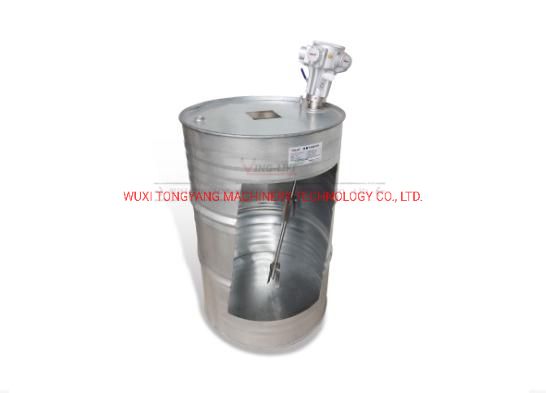
Pneumatic Mixer/Bucket Mixer/200 L Pneumatic Mixer

5 Gallon Pneumatic Barrel Mixer for Ink and Paint

5 Gallons Agitator/1/8HP Mixer/Am1 Pneumatic Mixer

I have found results from10000+products and5000+suppliers aboutAir pneumatic mixers


Selecting the right mixer requires matching the torque and RPM to your specific medium. For low-viscosity liquids (like water or thin solvents), a high-speed mixer (up to 3,000 RPM) is ideal. For high-viscosity materials (like resins, paints, or adhesives), you must prioritize piston-type air motors which provide high torque at lower speeds to prevent stalling. Always specify your tank volume (e.g., 5-gallon pail vs. 200L drum) to ensure the shaft length and impeller diameter provide adequate circulation.
The primary advantage is explosion-proof safety (ATEX compliance). Since they are powered by compressed air, there is no risk of electrical sparks, making them essential for mixing flammable chemicals or volatile solvents. Additionally, pneumatic motors are 100% duty cycle capable and can be stalled indefinitely without overheating or burning out, unlike electric motors. They also offer stepless speed regulation simply by adjusting the air inlet valve.
To ensure longevity and prevent contamination, all wetted parts (shaft and impellers) should be made of SUS304 or SUS316L Stainless Steel. For highly corrosive acidic environments, look for Teflon (PTFE) coating. Ensure the impeller type (e.g., folding, propeller, or turbine) matches your container's opening size, especially for IBC totes where a folding impeller is required to pass through the narrow neck.
To prevent motor failure, a Filter-Regulator-Lubricator (FRL) unit must be installed in the air line. The air motor requires constant lubrication (ISO VG32 oil) to prevent vane wear. Buyers should also verify the air consumption (CFM) requirements against their facility's compressor capacity to ensure stable operation under load.
Prioritize suppliers on Made-in-China.com that hold ISO 9001 certification and provide CE or ATEX certificates for their motors. Request a video factory audit to inspect their CNC machining capabilities and pressure testing stations. Professional B2B suppliers should provide a detailed technical data sheet and a minimum 12-month warranty on the air motor.
Ensure the supplier uses fumigated wooden crate packaging to prevent damage to the stainless steel shafts during sea freight. Since these are industrial tools, confirm the HS Code (typically 847982) with your customs broker to determine import duties. For North American or European markets, ensure the pressure valves and connectors (NPT vs. BSP thread) are compatible with your local air hose standards.
Negotiate based on Total Cost of Ownership (TCO) rather than just the unit price. Ask for tiered pricing (e.g., 10, 50, 100 units) and request spare vane kits to be included in the initial order to reduce future maintenance downtime. For customized shaft lengths, expect a lead time of 15-25 days; always clarify the Incoterms (FOB or CIF) to avoid hidden logistics charges.
Utilize secure payment terms such as a Letter of Credit (L/C) or the escrow services provided by Made-in-China.com. Never wire full payment upfront; a standard 30% deposit and 70% balance after inspection (but before shipment) is the industry norm. Hiring a third-party inspection agency (like SGS or Intertek) to perform a pre-shipment inspection is highly recommended for large volume orders.