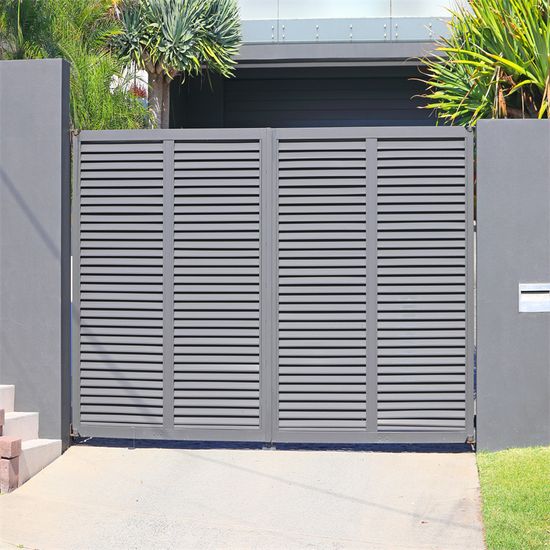
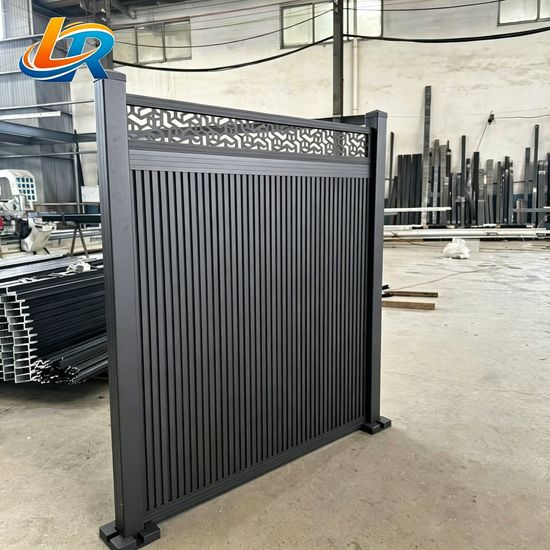
Aluminum Powder Coating/Wood Grain Slat Privacy Fence and Garden Fencing

Europe Aluminium Slat Fence Panel and Metal Garden Fence Post

Au Market Privacy Protection View Screen Aluminum Slat Panel Fencing for Garden

I have found results from7000+products and3000+suppliers aboutAluminium slat fence


When sourcing aluminium slat fences, prioritize the Alloy Grade, typically 6063-T5, which offers the best balance of strength and corrosion resistance. Ensure the wall thickness of the slats is at least 1.2mm to 1.5mm for residential use, and 2.0mm+ for high-traffic commercial areas to prevent denting. Additionally, verify the powder coating thickness (60-80 microns) and ensure it meets Qualicoat or AAMA 2604 standards to prevent fading and peeling under UV exposure.
Look for hidden fastener systems or snap-lock mechanisms that provide a seamless aesthetic while ensuring the slats are securely locked into the posts. Check the post dimensions (typically 50x50mm or 65x65mm) and ensure they are compatible with the intended mounting method, whether it be in-ground (concreting) or base-plated (bolting to finished surfaces). Request wind load ratings if the fence is being installed in coastal or high-wind regions.
For the US market, ensure compliance with ASTM B221 for aluminum alloy extrusions. For Australian and New Zealand markets, adherence to AS/NZS 1170 (Structural Design Actions) is critical, especially for pool fencing safety. Always request a Material Test Report (MTR) and a Salt Spray Test Report (ISO 9227) to guarantee the product can withstand corrosive environments for at least 1,000 hours without degradation.
To maximize ROI, consider purchasing in CKD (Completely Knocked Down) form rather than pre-assembled panels; this significantly reduces shipping volume and freight costs. Negotiate based on tonnage of aluminium rather than linear meters if ordering in high volumes. Aim for a Minimum Order Quantity (MOQ) of at least one 20ft container to distribute the fixed costs of customs clearance and port fees effectively.
Aluminium profiles are prone to scratching. Insist that the supplier uses PE protective film on every individual slat and employs steel pallets or reinforced wooden crates for outer packaging. Ensure the contract specifies LCL/FCL loading supervision to prevent heavy goods from being stacked on top of the delicate aluminium extrusions.
Focus on the transparency of the 'Aluminium Ingot Price + Processing Fee' model. Since raw aluminium prices fluctuate daily on the Shanghai Futures Exchange (SHFE), lock in the material price at the time of the deposit. Use Made-in-China.com's Secured Trading services to ensure that final payment is only released after a successful Pre-Shipment Inspection (PSI).
Be aware that some countries (like the US and EU) may impose Anti-Dumping or Countervailing Duties on Chinese aluminium extrusions. Always verify the HS Code (typically 7610.90) with your local customs broker before ordering. To mitigate risks, work with reputable suppliers on Made-in-China.com who can provide Certificates of Origin and detailed production records to prove compliance with trade regulations.
Never skip the sample approval stage. Once the golden sample is approved, hire a third-party inspection agency (like SGS or Intertek) to conduct a random pull-test and coating thickness check during production. Ensure the Sales Contract includes a specific clause for remedies or replacements if the batch fails to meet the agreed-upon specifications.