Fish Farming, Fish Tank, Fishbowl

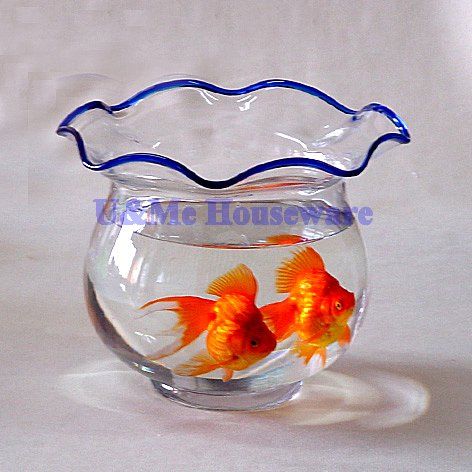
High Quality and Ultra White Glass Fishbowl

Aquariums Accessories Bottom Filter Cylinder Custom Sump Tank for Fish Tank

I have found results from400+products and200+suppliers aboutAquarium fish bowl


When sourcing, you must choose between High-Borosilicate Glass, Acrylic, and Regular Soda-Lime Glass. High-Borosilicate Glass is preferred for its superior clarity and thermal shock resistance, making it less likely to crack during temperature changes. Acrylic is a lightweight, shatterproof alternative with excellent transparency, though it is more prone to scratching. Ensure the material is lead-free and non-toxic to guarantee the safety of aquatic life.
For bowls exceeding 10 liters, the wall thickness should be at least 3mm to 5mm to withstand water pressure. Check for seamless molding technology or high-strength silicone bonding to prevent leaks. The base stability is critical; look for designs with a thickened bottom or a non-slip base to prevent accidental tipping in high-traffic environments.
Suppliers should adhere to ISO 9001 for quality management. For electronic components (like integrated LED lights or pumps), ensure they carry CE, RoHS, or UL certifications depending on the target market (EU or US). For the glass itself, compliance with FDA or LFGB standards for food-grade safety is often requested to ensure no harmful chemicals leach into the water.
Prioritize designs that feature a wide-mouth opening to facilitate easy cleaning and aquascaping. If sourcing 'Smart Fish Bowls,' verify the integration of filtration systems and oxygenation ports. Ensure that any built-in lighting uses waterproof IPX7 or IPX8 rated LEDs to prevent electrical hazards during water changes.
Fragility is the primary risk. You must mandate 5-layer corrugated export cartons with custom-fit EPE foam or molded pulp inserts. Request a Drop Test Report (ISTA 1A or 3A) from the supplier. For LCL (Less than Container Load) shipments, insist on palletization with shrink wrap and 'Fragile' warning labels to minimize manual handling damage.
Focus on Tiered Pricing based on volume; typically, a 15-20% discount is achievable when moving from sample quantities to a full 20GP container. Negotiate for spare parts (2-3% extra glass lids or decorative accessories) to be included free of charge to cover potential transit breakage. Always verify the supplier's Audit Report on the platform to ensure they are a direct manufacturer and not a middleman.
Utilize Secured Trading Services provided by the platform to ensure payment is only released upon confirmation of shipment. For large orders, hire a third-party inspection agency (like SGS or Intertek) to perform a Pre-Shipment Inspection (PSI) to check for glass bubbles, scratches, and structural leaks before the final balance is paid.
Be aware of Anti-Dumping Duties that some countries impose on glassware from specific regions. Check the HS Code (typically 7013 or 7020) against your local customs tariff schedule. Ensure the supplier provides a Certificate of Origin (CO), which may help in claiming Preferential Tariff Rates under specific trade agreements (like RCEP or bilateral FTAs).