Cheap Car Tires Wholesale Tires 205/55 R16 for Cars

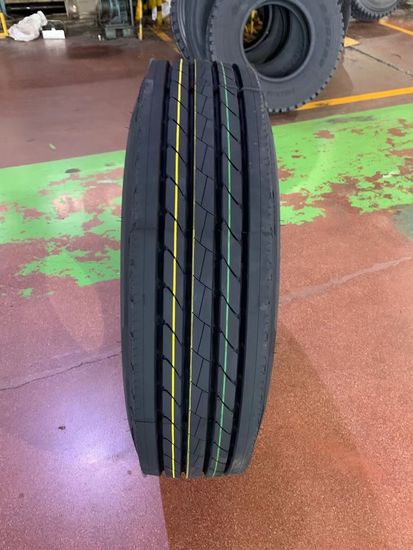
Wholesale Cheap Price Chinese All Steel Radial Truck Tyres Tires

Cheap 165/65r14 Car Tire Prices

I have found results from7000+products and2000+suppliers aboutCheapest tires in the world


When sourcing the most cost-effective tires, quality must not be sacrificed for price. You must verify that the manufacturer holds ISO 9001 for quality management and IATF 16949 for automotive industry standards. Request DOT (Department of Transportation) markings for the US market, E-mark (ECE) for Europe, and GCC for the Middle East. Ensure the tires have undergone high-speed durability tests and bead unseating tests to prevent catastrophic failure.
Focus on the Treadwear Rating (UTQG); a higher number indicates a longer lifespan, which provides better value even at a low price point. Check the Traction and Temperature grades (aim for A or B). For commercial use, specify the Load Index and Speed Symbol to ensure the tires can handle the intended vehicle weight. Additionally, inquire about the natural rubber content versus synthetic compounds, as this affects grip and fuel efficiency.
Yes, compliance is non-negotiable. For the European market, tires must have EU Tire Labels indicating fuel efficiency, wet grip, and external rolling noise. For the United States, compliance with FMVSS 109 or 119 is mandatory. If you are sourcing from China, ensure the products are registered with the CCC (China Compulsory Certificate) system, which is a baseline for export quality.
The lowest prices are often achieved through economies of scale and automated production lines in specialized industrial zones. Look for suppliers located in tire-manufacturing hubs like Shandong Province, where raw material logistics are optimized. However, ensure the 'cheap' price isn't due to using recycled rubber (reclaim) in the sidewalls, which can lead to cracking; insist on virgin rubber compounds for critical structural areas.
The biggest risks include Anti-Dumping Duties (ADD) and Countervailing Duties (CVD), which some countries impose on low-cost tire imports to protect local industries. Always check your local customs tariff schedule. Another risk is flat-spotting or deformation during long-term sea transit if the tires are not stacked correctly. Ensure the supplier uses proper lacing or doubling techniques to maximize container space without damaging the tire beads.
Negotiate based on Annual Purchase Volume (APV) rather than single orders to secure 'Tier 1' pricing. Ask for 'Ex-Works' (EXW) pricing if you have a reliable freight forwarder, or FOB (Free On Board) to compare costs. Request a breakdown of the bill of materials (BOM) to understand where the savings are coming from. A professional tip is to ask for a 1-2% defect allowance or spare units in lieu of a cash discount.
Use secure payment methods like Letter of Credit (L/C) for large volumes or Trade Terms offered through reputable platforms like Made-in-China.com to ensure your funds are protected until the Bill of Lading is issued. Always conduct a Pre-Shipment Inspection (PSI) via a third party like SGS or Intertek to verify the DOT codes and production dates (ensure tires are not 'old stock' older than 6-12 months).
Tires are 'volumetric' cargo. To reduce costs, use 'Tire Doubling' or 'Tripling' machines to nest smaller tires inside larger ones, significantly increasing the number of units per 40HC container. For shipping to specific regions, ensure the supplier provides a Certificate of Origin to take advantage of Free Trade Agreements (FTAs), which can reduce or eliminate import tariffs.