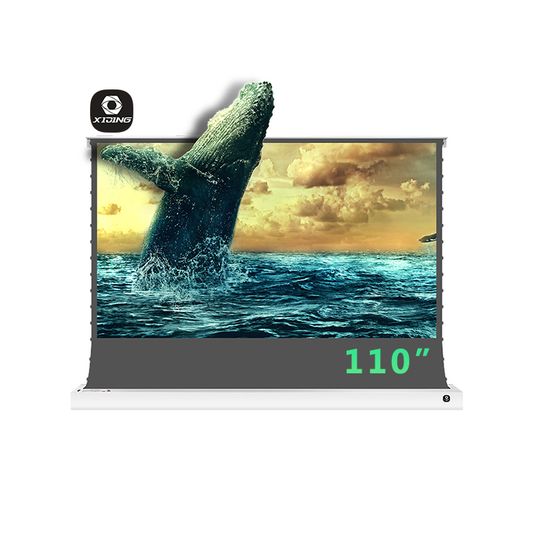
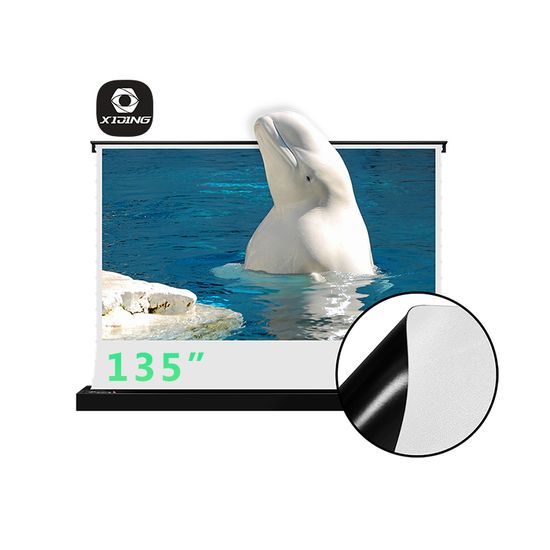
Indoor Events Booth 4K Commercial Flat Digital Display LED Video Screen

Stand Dual Faces Thin Glass Commercial Ads Video Display LCD Digital Screen

Indoor Advertising WiFi Flat HD Digital IR Touch LCD Display Video Screen

I have found results from400+products and200+suppliers aboutCommercial movie screen


Buyers must prioritize the Gain Rating, which determines light reflection efficiency; a gain of 1.0 to 1.5 is standard for most cinemas, while higher gain is needed for 3D projection. Additionally, Acoustic Transparency is critical for commercial setups to allow speakers to be placed behind the screen without muffling sound. Ensure the material is 4K/8K Ready with a smooth texture to prevent 'moiré' patterns.
For commercial venues, Fire Retardancy is the most critical safety requirement. Products should meet NFPA 701 (US) or DIN 4102-B1 (EU) standards. Furthermore, ensure the screen material is RoHS and REACH compliant to guarantee the absence of hazardous chemicals, and look for ISO 9001 certification to ensure manufacturing consistency.
Fixed-frame screens are the gold standard for dedicated cinemas due to their permanent tensioning, which ensures a perfectly flat surface over time. Motorized or Tab-Tensioned screens are better suited for multi-purpose commercial spaces (like hotel ballrooms) where the screen needs to be retracted. For outdoor or 'drive-in' scenarios, inflatable or weather-resistant PVC screens with reinforced grommets are necessary.
Commercial screens require minimal but precise maintenance. Dusting should be done with a soft microfiber cloth or compressed air. For PVC-based screens, a diluted mild soap solution can be used, but abrasive chemicals must be avoided as they can strip the reflective optical coating. Most professional screens have a lifespan of 8-10 years before oxidation affects color accuracy.
Commercial screens are highly susceptible to creasing and structural bending. Insist on heavy-duty cylindrical cardboard tubes or custom wooden crates for shipping. For large-scale frames, ensure the supplier uses vacuum packaging for the fabric to prevent moisture damage and reinforced corner protectors for the aluminum frames.
Prioritize 'Audited Suppliers' who have undergone on-site inspections by third-party agencies like SGS or Bureau Veritas. Review their Transaction History and look for suppliers who offer Trade Analysis reports. Requesting a small material swatch sample via air express before placing a bulk order is a standard industry practice to verify gain and texture.
Focus on the Total Cost of Ownership (TCO). Negotiate for spare parts (such as extra motor units for electric screens or additional tensioning springs) to be included in the price. For orders exceeding 10 units, aim for a 15-20% volume discount. Additionally, request FOB (Free On Board) terms to maintain better control over the shipping costs and customs clearance process.
Classify the product correctly under HS Code 9010.60 (Projection Screens). Be aware of Anti-Dumping Duties that may apply to aluminum frames or PVC textiles in certain regions. Ensure the supplier provides a Certificate of Origin to take advantage of any applicable Free Trade Agreements (FTAs) which can significantly reduce import tariffs.