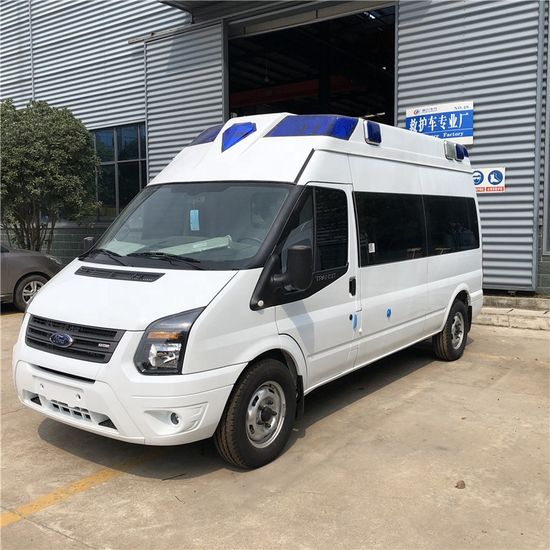
Hospital transport system manufacturers
I have found results from400+products and200+suppliers aboutHospital transport system
Medical Patient Lift System for Hospital
US$1,100.00
1 Piece(MOQ)
Patient Transfering System
US$1,100.00
1 Piece(MOQ)
Heavy Duty Tracking System for Powder Coating Line 3t, 5t, 6.5t, 7t, 8t, 10t, 20t
US$100,000.00
1 Piece(MOQ)
Pallet Truck with Scale, Weighing Scale Hydraulic Pallet Truck
US$320.00-612.00
1 Piece(MOQ)
Sourcing guidance for Hospital Transport System
What are the key technical specifications to consider for Hospital Transport Systems?
When sourcing hospital transport systems, prioritize load capacity (minimum 250kg for bariatric needs) and maneuverability. Look for systems featuring central locking brakes and fifth-wheel steering technology to ensure stability in tight corridors. For motorized systems, verify battery life (minimum 8 hours of continuous use) and charging time cycles to maintain hospital efficiency.
Which international compliance standards are mandatory for medical transport equipment?
Suppliers must adhere to ISO 13485 for medical device quality management. Ensure products carry the CE Mark (EU) or FDA Registration (US) depending on your target market. Additionally, check for IEC 60601-1 compliance regarding electrical safety and essential performance for medical electrical equipment.
How do material choices impact the longevity and hygiene of the transport system?
The frame should be constructed from high-grade stainless steel or powder-coated aluminum to resist corrosion from frequent chemical disinfection. Surfaces must be non-porous and antimicrobial to prevent cross-contamination. Ensure that all components, including mattresses and side rails, are biocompatible and flame-retardant according to international hospital safety codes.
What integration capabilities should a modern hospital transport system offer?
Advanced systems should support Real-Time Location System (RTLS) integration via RFID or Wi-Fi for fleet management. Check if the equipment is compatible with standard hospital bed lifts and ambulance loading systems. For smart hospitals, look for suppliers providing API access to sync equipment status with the hospital's maintenance management software.
Cross-Border Procurement Risks and Strategic Advice
How can I mitigate the risk of receiving sub-standard medical equipment?
Always request a Pre-Shipment Inspection (PSI) conducted by a reputable third-party agency like SGS or Intertek. Specifically, demand a Functional Test Report that covers weight load testing and emergency brake responsiveness. On Made-in-China.com, prioritize 'Audited Suppliers' who have undergone comprehensive on-site factory verifications.
What are the best practices for negotiating with medical equipment suppliers?
Focus on the Total Cost of Ownership (TCO) rather than just the unit price. Negotiate for a longer warranty period (minimum 2-3 years) and the inclusion of critical spare parts kits (e.g., casters, actuators, and batteries) in the initial bulk order. Ask for volume-based tiered pricing to secure discounts of 10-20% for future hospital wing expansions.
What shipping precautions are necessary for sensitive medical transport systems?
Hospital transport systems are bulky and contain sensitive mechanical/electronic parts. Insist on seaworthy reinforced wooden crate packaging with shock-absorbent padding. Ensure the shipping terms (Incoterms) are clearly defined; CIF (Cost, Insurance, and Freight) is often preferred for high-value medical goods to ensure the seller covers insurance until the port of destination.
How do I ensure transaction security in high-value B2B medical sourcing?
Utilize secure payment methods such as Letters of Credit (L/C) for large volumes or Escrow-based payment services provided by professional platforms. Never transfer full payments to private bank accounts; always ensure the beneficiary name matches the company name on the audited business license.