SourcingAI

Led downlight aluminium heatsink manufacturers

I have found results from400+products and200+suppliers aboutLed downlight aluminium heatsink

Sourcing guidance for Led Downlight Aluminium Heatsink

What are the key material considerations for selecting a high-performance LED downlight heatsink?

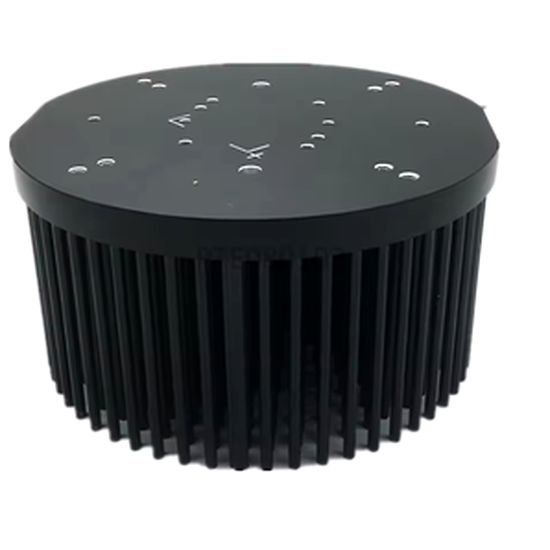
The most critical factor is the thermal conductivity of the material. Aluminum 6063 is the industry standard due to its excellent heat dissipation properties and extrudability. For high-power applications, ensure the supplier uses cold-forged aluminum, which offers higher density and better thermal performance than standard die-cast aluminum. Always verify the purity of the aluminum alloy to prevent premature LED lumen depreciation.

How does the surface treatment affect the functionality of the heatsink?

Surface treatments like anodizing or powder coating are not just for aesthetics; they increase the emissivity of the surface, enhancing radiative heat transfer. Black anodizing is technically superior for heat dissipation. Furthermore, ensure the treatment provides anti-corrosion protection, especially if the downlights are intended for high-humidity environments like bathrooms or coastal regions.

What technical specifications should be prioritized for structural compatibility?

Buyers must confirm the PCB mounting hole dimensions and the COB (Chip on Board) interface area. The fin thickness and spacing should be optimized for natural convection; fins that are too dense can trap heat. Additionally, check the mechanical tolerances (ideally within ±0.1mm) to ensure a seamless fit with the LED driver housing and the outer reflector.

What compliance standards are essential for international trade of LED components?

Since these are components of electrical fixtures, they must align with RoHS (Restriction of Hazardous Substances) to ensure no lead or mercury is present. For the finished assembly, the heatsink design must allow the light to meet CE, UL, or SAA standards regarding thermal safety and flame retardancy. Request thermal simulation reports (CFD) from the supplier to validate performance before tooling.

Cross-Border Procurement Strategy for LED Heatsinks

How can I mitigate quality risks when sourcing from overseas suppliers?

Request a Golden Sample before authorizing mass production. Utilize third-party inspection services to perform a Salt Spray Test and a Thermal Cycle Test. When sourcing via Made-in-China.com, prioritize Audited Suppliers who have undergone comprehensive on-site verification of their manufacturing capabilities and quality management systems.

What are the best practices for negotiating pricing and MOQs for custom aluminum extrusions?

Aluminum prices fluctuate with the LME (London Metal Exchange) index; negotiate a pricing formula based on the current market rate plus a fixed fabrication cost. For custom designs, discuss mold fee rebates—many suppliers will refund the tooling cost once your cumulative order volume reaches a specific threshold (e.g., 5,000 units).

What logistics and packaging precautions should be taken for aluminum components?

Aluminum is prone to surface scratching and deformation. Insist on EPE foam separation for each unit and double-walled corrugated Export Cartons. For sea freight, ensure the use of pallets with plastic wrap to prevent moisture ingress, which can cause oxidation (white rust) on untreated aluminum surfaces.

How do I ensure transaction security in B2B cross-border payments?

Always use Secured Payment services provided by reputable platforms like Made-in-China.com to ensure funds are only released upon confirmation of shipment. Avoid direct transfers to private accounts. For large-scale industrial orders, consider using a Letter of Credit (L/C) or a staged payment plan (e.g., 30% deposit, 70% against Bill of Lading).

Related queries