Medicine mixing machine price manufacturers
I have found results from400+products and200+suppliers aboutMedicine mixing machine price
Sourcing guidance for Medicine Mixing Machine Price
What are the key technical specifications that influence the price of a medicine mixing machine?
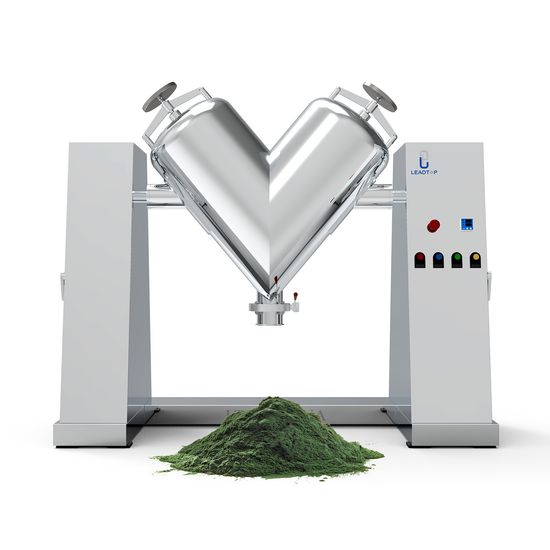
The price is primarily driven by the mixing mechanism (e.g., V-shape, Double Cone, 3D Motion, or Ribbon Blender) and the material of construction. For pharmaceutical use, SUS316L stainless steel is mandatory for contact parts to ensure corrosion resistance, while SUS304 is used for the frame. Additionally, the working capacity (Liters) and the motor power/inverter quality (such as Siemens or ABB brands) significantly impact the final quote.
Which compliance standards must a medicine mixing machine meet for international trade?
To ensure the machine is suitable for pharmaceutical production, it must strictly adhere to GMP (Good Manufacturing Practice) standards. Buyers should verify CE Certification for the European market and UL components for the North American market. Ensure the supplier provides IQ/OQ/PQ (Installation, Operational, and Performance Qualification) documentation, which is essential for regulatory audits.
How does the automation level affect the procurement cost and ROI?
Basic models with manual tilting and button controls are more affordable but labor-intensive. High-end versions featuring PLC touch screen control systems (e.g., Schneider or Mitsubishi), automatic vacuum loading, and CIP (Clean-in-Place) systems carry a premium price. However, these automated features reduce cross-contamination risks and labor costs, offering a higher long-term ROI for large-scale pharmaceutical operations.
What usage scenarios determine the choice between a V-type mixer and a 3D motion mixer?
V-type mixers are cost-effective and ideal for dry powders or granules with similar particle sizes. If your application involves high-precision mixing of components with different specific gravities or requires a 99.9% homogeneity rate, a 3D Motion Mixer is recommended. While more expensive, the 3D motion prevents centrifugal segregation, making it vital for potent medicine formulation.
Cross-Border Procurement Strategy for Pharmaceutical Machinery
How can I mitigate the risk of receiving a machine that doesn't meet pharmaceutical hygiene standards?
Always request a Fat (Factory Acceptance Test) via video call or a third-party inspection agency like SGS or Intertek. Specifically, check the surface roughness (Ra < 0.4μm) of the internal tank and ensure there are no dead angles in the mixing chamber. On Made-in-China.com, prioritize Audited Suppliers who have undergone comprehensive on-site verification.
What are the best practices for negotiating price and terms with industrial equipment suppliers?
Focus on the Total Cost of Ownership (TCO) rather than just the sticker price. Negotiate for spare parts kits (seals, gaskets, and fuses) to be included in the initial price. For payment, use Secure Payment services or Letters of Credit (L/C) to ensure funds are only released upon proof of shipment and compliance with technical specs.
What should be considered regarding international shipping and installation for heavy machinery?
Medicine mixing machines are heavy and sensitive; ensure the contract specifies seaworthy vacuum wooden case packaging to prevent moisture and rust during transit. Confirm if the supplier provides remote video installation guidance or if they have overseas engineers available for on-site commissioning, as improper setup can void the warranty.
How do I ensure the machine stays compliant with local import policies?
Verify the HS Code (typically 8479820000 for mixing machinery) with your customs broker to determine exact import duties and taxes. Ensure the supplier provides a Certificate of Origin (e.g., Form E or Form F) to take advantage of potential Free Trade Agreements (FTA) which can significantly reduce your landed cost.