SourcingAI

Mini front loader manufacturers

I have found results from3000+products and900+suppliers aboutMini front loader

Sourcing guidance for Mini Front Loader

What are the key technical specifications to evaluate when sourcing a Mini Front Loader?

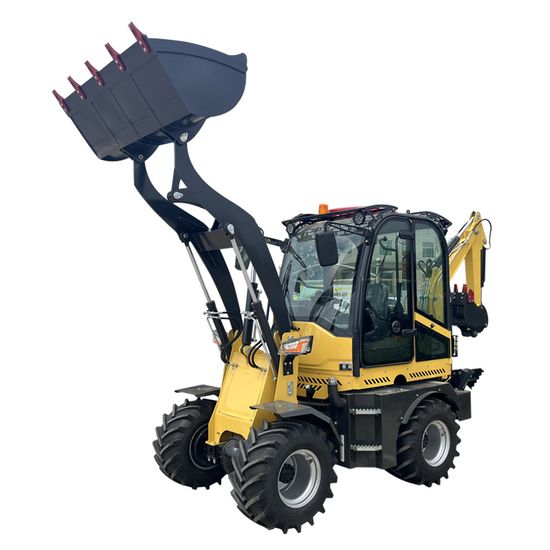
When selecting a mini front loader, you must prioritize rated load capacity (typically ranging from 400kg to 1500kg for mini models) and engine horsepower. Ensure the engine meets regional emission standards, such as Euro V or EPA Tier 4, to avoid import blocks. Additionally, check the maximum dumping height to ensure compatibility with your specific unloading tasks and verify if the hydraulic system uses branded pumps and valves for long-term reliability.

How can I ensure the structural durability and safety of the machine?

Request documentation confirming the use of Q345B manganese steel or equivalent high-strength materials for the boom and chassis. Safety is paramount; ensure the unit is equipped with a ROPS (Roll-Over Protective Structure) and FOPS (Falling Object Protective Structure) certified cabin or canopy. Furthermore, verify that the welding quality meets international standards to prevent structural fatigue during heavy-duty operations.

What attachments and versatility options should I look for?

To maximize ROI, choose suppliers that offer a quick-hitch system, allowing for rapid switching between attachments. Common essential attachments include pallet forks, 4-in-1 buckets, grass grabbers, and snow blades. Confirm that the auxiliary hydraulic flow rate is sufficient to power motorized attachments like augers or sweepers if your use case requires them.

What are the maintenance and after-sales requirements for B2B buyers?

Prioritize suppliers who provide a comprehensive spare parts kit (filters, seals, belts) with the initial purchase. Ensure the supplier offers a minimum 12-month or 2000-hour warranty. For international buyers, it is critical to confirm the availability of English-language technical manuals and video-based troubleshooting support, as well as the global availability of engine components (e.g., Kubota, Perkins, or Yanmar parts).

Cross-Border Procurement Strategy for Heavy Machinery

How should I handle shipping and logistics for a Mini Front Loader?

Mini loaders are typically shipped via LCL (Less than Container Load) in a steel crate or FCL (Full Container Load) if ordering multiple units. To reduce costs, verify if the ROPS cabin can be disassembled to fit into a standard container. Always use FOB or CIF terms and ensure the machine is treated with anti-rust wax before sea transit to prevent corrosion from salt air.

What are the common risks in cross-border machinery transactions and how to mitigate them?

The primary risk is receiving a machine that does not match the advertised specs. Mitigate this by using Made-in-China.com's Secured Trading services and hiring a third-party inspection agency (like SGS or BV) to perform a pre-shipment inspection. This inspection should include a functional test run and a check of the hydraulic pressure levels to ensure the machine is work-ready.

How do I navigate international trade compliance and customs duties?

Identify the correct HS Code (typically 842951) to determine the exact import duty rates in your country. Be aware of anti-dumping duties that may apply to Chinese machinery in certain regions. Ensure the supplier provides a Certificate of Origin, a detailed Commercial Invoice, and a Packing List to facilitate smooth customs clearance.

What negotiation strategies work best with Chinese machinery suppliers?

Focus your negotiation on component quality rather than just the lowest price; for example, ask for a branded hydraulic pump at the same price point. Negotiate for extra wear parts (like bucket teeth and hydraulic hoses) to be included in the deal. For bulk orders, aim for a 10-15% discount or request the supplier to cover the cost of custom branding/OEM colors.

Related queries