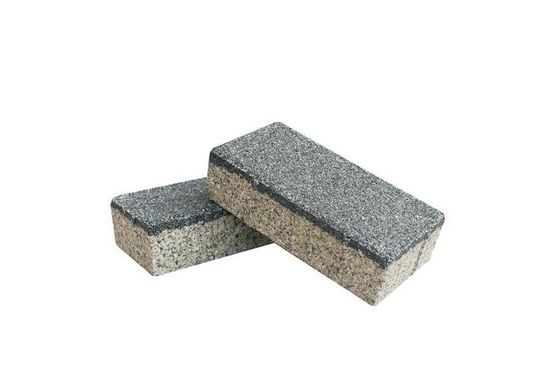
Porous pavement price manufacturers
I have found results from400+products and200+suppliers aboutPorous pavement price
Sourcing guidance for Porous Pavement Price
What are the key technical specifications that influence Porous Pavement pricing?
The price of porous pavement is primarily driven by material composition and load-bearing capacity. Buyers should specify whether they require pervious concrete, porous asphalt, or permeable interlocking concrete pavers (PICP). Key metrics include a void content of 15-25% to ensure effective water infiltration and a compressive strength of at least 2,800 to 4,000 PSI depending on whether it is for pedestrian or vehicular use. Additionally, the thickness of the pavement layer and the quality of the aggregate base significantly impact the total quotation.
How do compliance and environmental standards affect the cost of sourcing porous pavement?
Compliance with international standards such as ASTM C1701 (for infiltration rates) and ASTM C936 (for solid interlocking units) is essential and may command a premium. In many regions, using porous pavement helps projects meet LEED (Leadership in Energy and Environmental Design) certification or LID (Low Impact Development) requirements. Suppliers who provide certified lab test reports for permeability and durability often have higher initial prices but offer lower long-term risk and better alignment with municipal environmental regulations.
What are the typical usage scenarios that dictate the type of porous pavement needed?
Usage scenarios are divided into Light-Duty (walkways, patios, residential driveways) and Heavy-Duty (parking lots, fire lanes, emergency access roads). For light-duty areas, plastic grass pavers or gravel stabilizers are cost-effective options. For heavy-duty commercial applications, reinforced pervious concrete or heavy-duty permeable pavers are required to prevent structural failure. Clearly defining the expected traffic load (ESALs) to the supplier is critical to receiving an accurate and functional price estimate.
How can buyers evaluate the economic feasibility and long-term value of porous pavement?
While the initial installation cost of porous pavement can be 10-20% higher than traditional pavement, it eliminates the need for expensive stormwater detention ponds and curbing systems. Buyers should conduct a Total Cost of Ownership (TCO) analysis, factoring in reduced drainage infrastructure costs and potential tax incentives for green building. Choosing suppliers on Made-in-China.com who offer UV-resistant and frost-resistant materials ensures the pavement maintains its porosity for 15-20 years with minimal maintenance.
Cross-Border Purchasing Considerations for Porous Pavement
What are the common risks when importing porous pavement materials internationally?
The primary risks include material degradation during transit and non-compliance with local building codes. Since these materials are heavy, high shipping costs can significantly inflate the 'landed cost.' To mitigate this, buyers should request pre-shipment inspections (PSI) and ensure the supplier uses moisture-proof packaging for cementitious additives or specialized stabilizers to prevent clumping during sea freight.
What strategies should be used when negotiating with porous pavement suppliers?
Negotiate based on volume-based pricing tiers and raw material price indexing. Since the cost of stone and binders fluctuates, ask for a price validity period of at least 30-60 days. For large-scale infrastructure projects, negotiate for staggered delivery schedules to match construction phases, which helps manage cash flow and reduces on-site storage requirements. Always ask for OEM/ODM customization if specific color pigments or aggregate sizes are required for architectural consistency.
How can transaction security be ensured for high-value construction material orders?
Utilize secure payment terms such as Letter of Credit (L/C) or Escrow services provided by reputable platforms like Made-in-China.com. Avoid full upfront payments; a standard industry practice is a 30% deposit with the 70% balance paid upon presentation of the Bill of Lading (B/L) after a successful third-party quality audit. Ensure the Incoterms (e.g., CIF vs. DDP) are clearly defined in the contract to avoid disputes over unloading responsibilities at the destination port.
What are the best practices for shipping and logistics to ensure product integrity?
Porous pavement components, especially pre-cast pavers, are prone to chipping and cracking. Ensure the supplier uses heavy-duty wooden pallets with reinforced corner protectors and shrink-wrap. For bulk chemical binders or stabilizers, use ISO tanks or UV-protected IBC totes. When shipping to countries with strict environmental laws, ensure all wood packaging is heat-treated and carries the ISPM 15 stamp to avoid customs delays or fines.