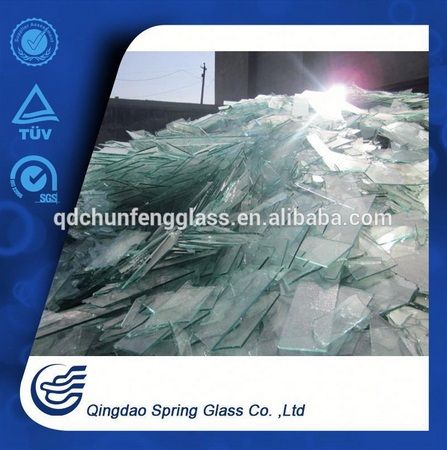
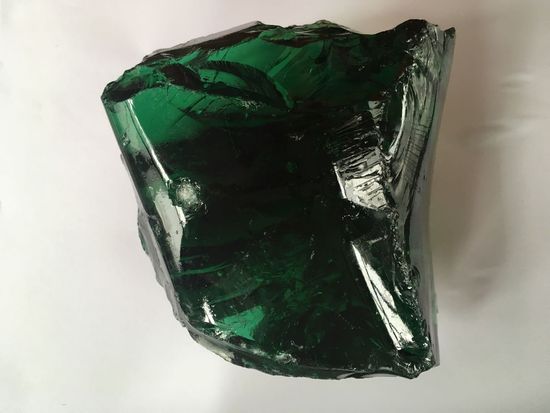
Amber Glass 8-16 Mesh, Crushed Glass Scrap, Recycled Bottle Glass

Blue Glass 8-16 Mesh, Crushed Glass Scrap

Crushed Green Bottle Glass 8-16 Mesh, Recycled Glass Cullet, Bottle Scrap

I have found results from10000+products and5000+suppliers aboutScrap glass prices suppliers


When sourcing scrap glass, the price is heavily dictated by purity levels and color sorting. You must specify the cullet size (e.g., fine powder vs. 1-2 inch chunks) and the color category (Flint/Clear, Amber, or Emerald/Green). Clear glass (Flint) typically commands the highest price due to its versatility. Additionally, ensure the moisture content is below 5% and the contamination rate (non-glass materials like ceramics, stones, or metals) is less than 0.01% to avoid processing surcharges or batch rejection.
Buyers must verify that suppliers adhere to ISO 9001 for quality management and ISO 14001 for environmental management. For international trade, ensure the scrap glass meets the ISRI (Institute of Scrap Recycling Industries) specifications for glass cullet. If the glass is intended for food-grade container manufacturing, it must be free from hazardous substances like lead or cadmium, complying with REACH or FDA standards depending on the destination market.
The primary economic driver is the yield rate; higher purity reduces the energy required for melting in furnaces. You should analyze the Total Cost of Ownership (TCO), which includes the base price per ton, logistics costs, and cleaning/sorting expenses. Sourcing from suppliers on Made-in-China.com who offer integrated crushing and washing services can significantly reduce your downstream processing costs.
High-quality clear cullet is primarily used for new glass container manufacturing and fiberglass insulation. Mixed-color or lower-grade scrap is often diverted to construction aggregates, abrasive blasting media, or decorative landscaping. Understanding your specific application allows you to negotiate for a grade that balances functional performance with cost-efficiency.
The most significant risk is quality inconsistency between the sample and the bulk shipment. To mitigate this, use Trade Assurance services and mandate a Pre-shipment Inspection (PSI) by third parties like SGS or Intertek. Another risk is regulatory changes regarding waste imports; always confirm that the HS Code used (typically 7001.00) is permitted for import in your country to avoid customs seizures or heavy fines.
Focus on volume-based pricing tiers; for example, ordering in full container loads (FCL) can reduce the price per ton by 15-20%. Negotiate for flexible payment terms such as a 30% deposit and 70% against the Bill of Lading (B/L). Requesting a long-term supply contract can also lock in prices against the volatility of raw material markets.
Scrap glass is a heavy, low-value commodity, making sea freight the only viable option. Use 20ft containers to maximize weight capacity (up to 25-28 tons depending on port limits). Ensure the supplier uses heavy-duty jumbo bags (FIBC) or bulk liners to prevent leakage and contamination during transit. Always clarify Incoterms; FOB (Free On Board) is generally preferred for buyers who have established relationships with freight forwarders to better control shipping costs.
Conduct thorough due diligence by checking the supplier's Business License and Export Qualification on Made-in-China.com. Look for 'Audited Suppliers' who have undergone verified on-site checks. Avoid direct wire transfers to personal accounts; always use official corporate bank accounts or secure platform payment gateways to ensure a verifiable paper trail for your transaction.