
Satisfies 1 requirement
Custom Size High Quality Copper Tube Corrugated Aluminum Fin Heat Exchanger Cold Storage Cooling Coil
US$11.00
500 Pieces(MOQ)

I have found results from20000+products and7000+suppliers aboutCorrugated tube heat exchanger


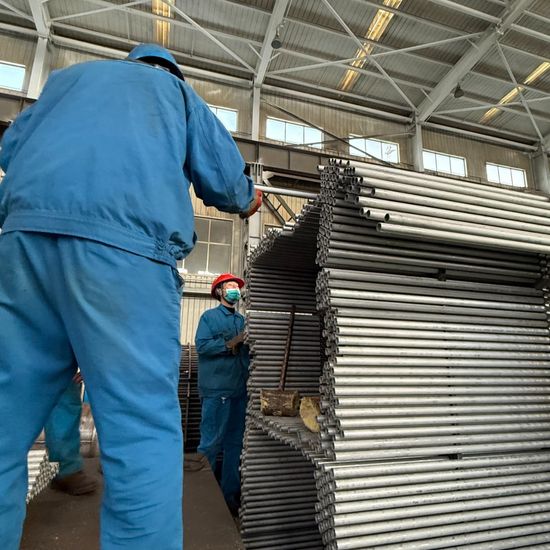


Corrugated tubes create high turbulence even at low flow velocities, which significantly increases the heat transfer coefficient (often by 2-3 times). This turbulence also provides a self-cleaning effect, reducing the rate of fouling and scaling. Additionally, the corrugated profile allows for thermal expansion compensation, reducing the need for expensive expansion joints in the shell.
For B2B procurement, you must match the material to the medium. Stainless Steel 316L is standard for food and chemical applications, while Titanium or Hastelloy is required for high-chloride or acidic fluids. Ensure the supplier provides MTC (Material Test Certificates) to verify the alloy composition and ASTM/ASME standards compliance.
The equipment must be manufactured according to international pressure vessel codes. The most recognized is the ASME Section VIII Division 1 (U-Stamp) for the US market, or the PED 2014/68/EU (CE marking) for Europe. In China, the GB150 and GB151 standards are the benchmarks. Always request hydrostatic test reports and X-ray weld inspections to ensure structural integrity under high-pressure operations.
Due to the enhanced heat transfer efficiency, corrugated exchangers are more compact, requiring a smaller footprint and less material. This leads to lower initial capital expenditure (CAPEX) and reduced energy consumption for pumping, as the increased efficiency often allows for a lower temperature approach, maximizing heat recovery and improving long-term Return on Investment (ROI).
Engage a third-party inspection agency (such as SGS, TÜV, or BV) to perform an in-process inspection and a final FAT (Factory Acceptance Test) before the balance payment. For high-value industrial equipment, sourcing through reputable platforms like Made-in-China.com allows you to utilize secured payment services and verify the supplier's Audited Supplier status.
Heat exchangers are heavy and sensitive to impact. Ensure the contract specifies seaworthy packaging using vacuum-sealed plastic wrapping and reinforced steel-framed wooden crates. For large units, confirm the Incoterms (e.g., CIF or DAP) and ensure the supplier provides a detailed packing list and lifting instructions to prevent damage during port handling.
Negotiate a warranty period of at least 18-24 months from the date of shipment. Ensure the supplier agrees to provide remote technical installation guidance and a guaranteed response time (e.g., within 24 hours). It is also advisable to include a clause for the provision of critical spare parts (like gaskets and seals) to be shipped along with the main unit.
Beyond the Commercial Invoice and Bill of Lading, you will need a Certificate of Origin, a Pressure Vessel Quality Certificate, and potentially a Declaration of Conformity. Ensure the HS Code (typically 8419.50) is correctly classified to avoid delays or incorrect tariff applications in your destination country.