
Satisfies 1 requirement
Burner Annealing Furnace Flat Flame Burner Industrial Boiler
US$3,000.00-5,000.00
1 SET(MOQ)

60000+ products and 10000+ suppliers results


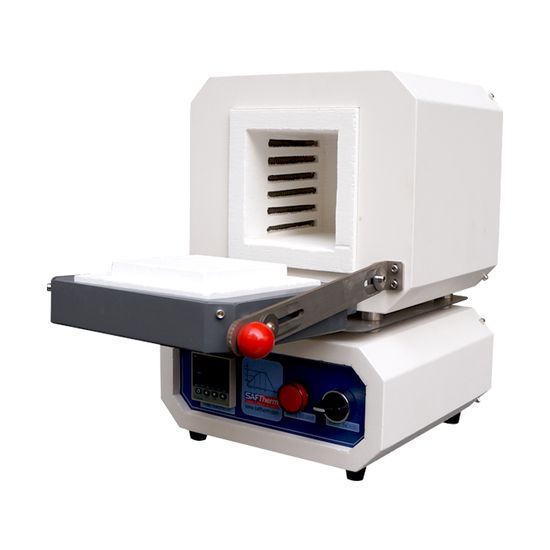


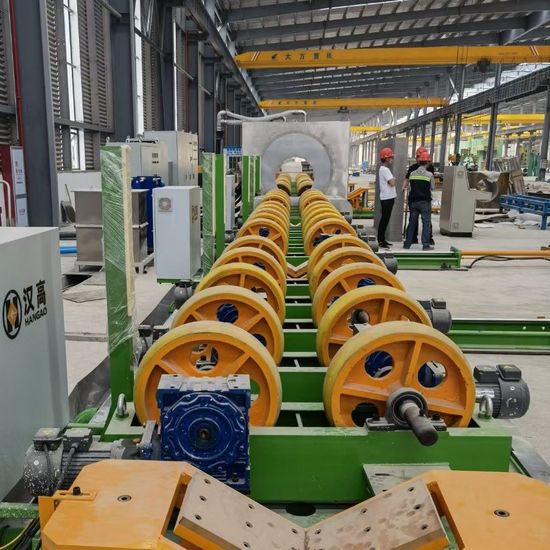


Buyers must prioritize temperature uniformity, typically requiring a variance of less than ±5°C to ensure consistent material properties. Key specs include the heating element type (e.g., Molybdenum disilicide or Ni-Cr alloy), insulation material (high-purity ceramic fiber for energy efficiency), and the cooling system (forced air or water-cooled jackets). Ensure the PLC control system (such as Siemens or Omron) supports multi-segment programmable temperature curves for precise thermal processing.
For the European market, CE marking is mandatory, specifically compliance with the Machinery Directive 2006/42/EC and Low Voltage Directive 2014/35/EU. For North America, look for UL or CSA certification and adherence to NFPA 86 (Standard for Ovens and Furnaces). Additionally, verify that the manufacturer follows ISO 9001 for quality management and ISO 14001 for environmental standards.
The choice depends on the material: Vacuum annealing is essential for titanium or stainless steel to prevent oxidation. Protective atmospheres (Nitrogen, Argon, or Hydrogen) are used for bright annealing of copper or steel. Ensure the furnace has a high-integrity gas sealing system and oxygen sensors if your process requires a decarb-free or bright finish.
Evaluate the Total Cost of Ownership (TCO), which includes the initial price, energy consumption rates (kWh per ton), and the cost of consumables like heating elements or thermocouples. A furnace with high-density refractory lining may have a higher upfront cost but offers 20-30% energy savings, significantly shortening the payback period in high-volume production.
Utilize third-party inspection services (like SGS or Intertek) to conduct a Pre-Shipment Inspection (PSI). This ensures the equipment matches the technical drawings and functions correctly before final payment. Always use Secure Payment services provided by reputable platforms like Made-in-China.com to protect your funds until the Bill of Lading is confirmed.
Focus on after-sales service clauses rather than just the unit price. Negotiate for a 12-24 month warranty period and the inclusion of critical spare parts (e.g., extra heating elements and gaskets) in the initial package. Request FAT (Factory Acceptance Test) video proof or a live remote demonstration before the machine is crated.
Industrial furnaces are heavy and fragile. Insist on Seaworthy Packaging, including vacuum plastic wrapping to prevent sea salt corrosion and reinforced wooden crates (IPPC standard). For oversized units, confirm if the supplier uses Flat Rack containers or Breakbulk shipping, and ensure the Incoterms (e.g., CIF or DAP) clearly define the point of risk transfer.
Check your country's import tariffs and anti-dumping duties for industrial heating equipment. Verify that the furnace's exhaust emissions meet local EPA or equivalent standards. It is highly recommended to consult a customs broker to confirm the correct HS Code (typically 8417) to avoid clearance delays or unexpected fines.