
Satisfies 1 requirement
Customized Low Ash Paprika Powder 60 100 180 Asta 500 Shu Max
US$1,550.00-1,650.00
3 Tons(MOQ)

I have found results from10000+products and6000+suppliers aboutPaprika powder


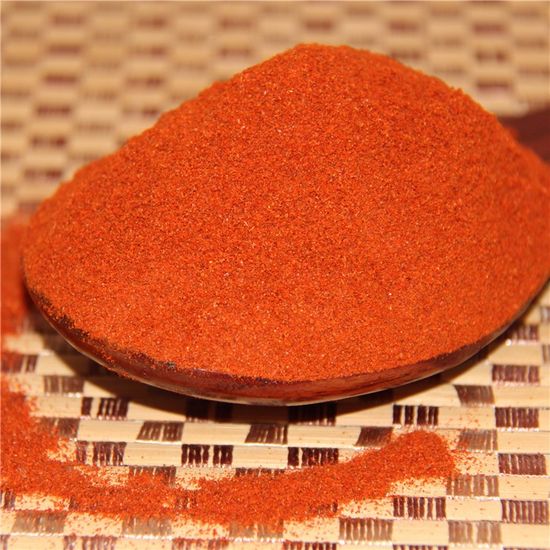


The primary quality indicator for paprika is the ASTA color value, which typically ranges from 60 to 160+. Higher ASTA values indicate a deeper red pigment and higher quality. Additionally, you must verify the Scoville Heat Units (SHU) to ensure the pungency level matches your requirements, whether it is Sweet (Plain), Mild, or Hot. Always request a COA (Certificate of Analysis) to check for moisture content (should be <11%) and ash content.
As a food product, Paprika must adhere to strict international safety standards. Ensure the supplier is certified with HACCP, ISO 22000, or BRC (British Retail Consortium). For specific markets, verify compliance with FDA regulations (USA) or EFSA standards (EU), particularly regarding pesticide residues, heavy metals (Lead/Arsenic), and aflatoxin levels. If targeting niche markets, look for Halal or Kosher certifications.
Top-tier manufacturers utilize Steam Sterilization technology to reduce microbial loads (TPC, Yeast, and Mold) without compromising the color or flavor profile. Furthermore, look for suppliers using Cold Grinding techniques, which prevent the loss of volatile oils and maintain the aromatic integrity of the spice during the milling process.
Paprika is highly sensitive to light and oxygen, which cause color fading (oxidation). It should be packed in multi-layer kraft paper bags with a PE inner liner or aluminum foil vacuum bags. For bulk cross-border shipping, ensure the outer packaging is UV-resistant and moisture-proof. The ideal storage condition is a cool, dry place (below 20°C) to maintain a shelf life of 18-24 months.
The most significant risk is adulteration, where suppliers add illegal dyes like Sudan Red to artificially enhance color. To mitigate this, only source from verified gold suppliers on Made-in-China.com and mandate third-party laboratory testing (such as SGS or Eurofins) for every batch before the final payment is released.
Focus on volume-based pricing tiers; ordering in full container loads (FCL) can reduce unit costs by 10-20% compared to LCL. Discuss Incoterms clearly, such as FOB (Free On Board) to have better control over freight costs. For long-term partnerships, negotiate a fixed-price contract to protect your business from the volatility of agricultural commodity market prices.
Spices are often subject to Phytosanitary Inspections. Ensure your supplier provides a Phytosanitary Certificate and a Certificate of Origin to facilitate smooth customs clearance and potentially benefit from preferential tariff rates. Always check the specific HS Code (typically 090422) requirements for your destination country to avoid unexpected duties or seizures.
Utilize Trade Assurance services provided by reputable platforms like Made-in-China.com to protect your payment until the goods are confirmed to meet your specifications. Avoid using non-traceable payment methods and always perform a factory audit (either in person or via a third-party agency) to confirm the supplier's production capacity and hygiene standards.