
Satisfies 1 requirement
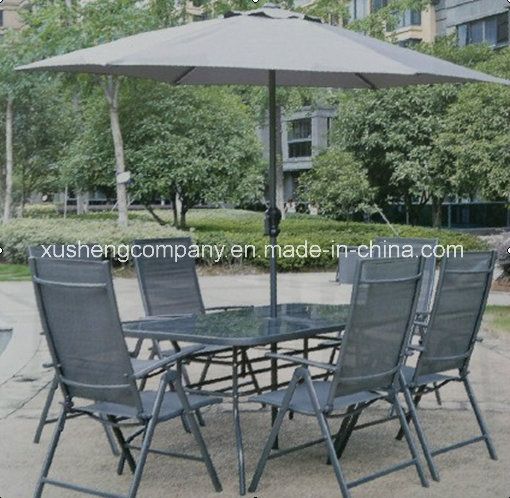
Hot Selling Restaurant Cafe Dining Modern Lounge Furniture Stainless Steel Metal
US$65.00
20 pieces(MOQ)

500000+ products and 100000+ suppliers results




Buyers should prioritize Cold-Rolled Steel (SPCC) over hot-rolled steel for a smoother surface finish and better structural integrity. Ensure the steel thickness is at least 0.6mm to 1.2mm depending on the load-bearing requirements; anything below 0.5mm may compromise durability. Additionally, verify that the powder coating is eco-friendly (e.g., Epoxy Polyester) and has a thickness of 60-80 microns to prevent rust and scratches.
For office environments, look for BIFMA (Business and Institutional Furniture Manufacturers Association) certification to ensure safety and durability. For the European market, EN 14073 (office furniture storage) and EN 16121 (non-domestic storage furniture) are critical. If the furniture is intended for schools or hospitals, ensure it meets ISO 9001 for quality management and ISO 14001 for environmental standards.
Focus on the welding points; they should be seamless and polished to avoid sharp edges. Test the locking mechanisms (e.g., 3-point locking systems or digital locks) for smooth operation. For drawers, ensure they use heavy-duty ball-bearing slides with a load capacity of at least 35kg-50kg per drawer and include an anti-tilt mechanism to prevent multiple drawers from opening simultaneously.
Knock-Down (KD) structures are highly recommended for international trade because they reduce shipping volume by up to 70%, significantly lowering freight costs. However, ensure the supplier provides clear assembly manuals or video guides. All-welded structures offer superior rigidity and save on labor costs at the destination but incur much higher logistics expenses due to their bulkiness.
Steel is highly susceptible to moisture. Insist that the supplier uses VCI (Vapor Corrosion Inhibitor) bags or silica gel desiccant inside the packaging. For outer packaging, use 5-layer corrugated cartons with EPE foam corner protectors and honeycomb board padding to prevent denting during transit.
Since steel is a commodity, prices fluctuate with raw material costs. Negotiate a price adjustment clause based on global steel indices. To lower the unit price, consider increasing the order volume to full container loads (FCL), which can reduce costs by 15-20% compared to LCL (Less than Container Load) due to reduced handling and lower freight rates.
Always conduct a factory audit or hire a third-party inspection agency (like SGS or Intertek) to verify the production capacity. Use secure payment methods and consider sourcing through reputable platforms like Made-in-China.com, which offers secured trading services to protect your payment until the goods are verified against the agreed specifications.
Be aware of Anti-Dumping Duties (ADD) which some countries impose on steel products from specific regions. Always check the HS Code (typically 9403.10 or 9403.20) with your customs broker beforehand. Ensure the supplier provides a detailed packing list and a Certificate of Origin to facilitate smooth customs clearance and potentially benefit from trade agreements.