SourcingAI

Vibration monitoring

200000+ products and 50000+ suppliers results

Commonly Used:
US$
—
Customization Available
Sample Available
Manufacturer First
Product Attributes:
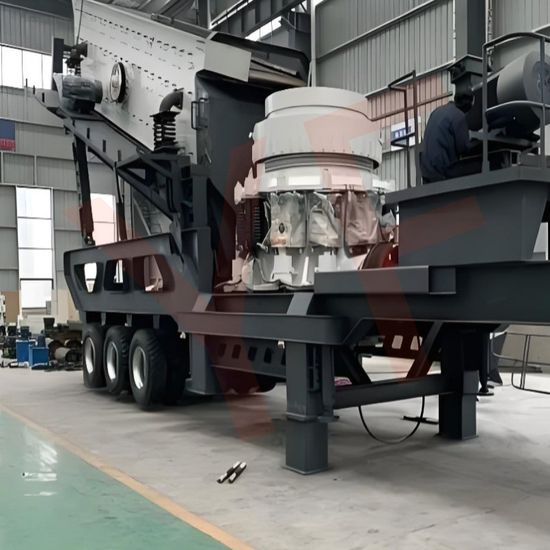
Type: Mobile Crusher
Type: Piezoelectric
Capacitive Pressure Sensor
Vertical Pendulum Tiltmeter
Medium-Wave Infrared Heating Tube
Type: Health Monitoring
Inductive Pressure Sensor
Type: Anti-Theft Alarm
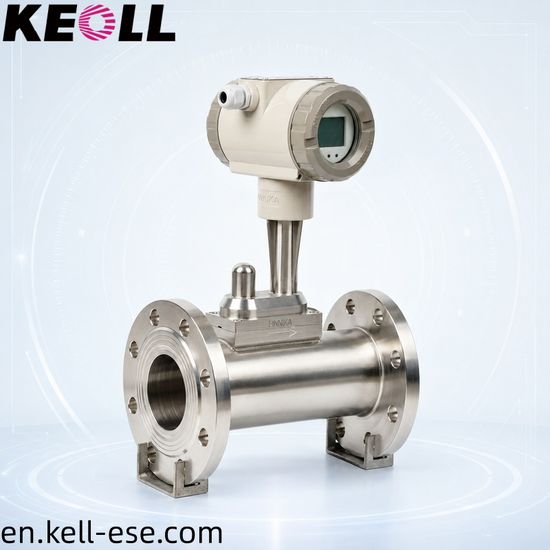
Vortex Flow Meter
Type: Servo
Resistance Strain Gauge Pressure Sensors
Cylindrical Gear Box
Applicable Model: Car
Shell Material: Alloy
Display Type: Reverse Image
Function: Night Vision
Chip: CMOS
Waterproof Grade: IP68
Alarming Distance: 2.5-0.3m
Probe Diameter: 18.8mm
Screen Size: No Screen
Use: Automotive
Certification: FCC
Motor Type: AC Motor
Motor Power: 160kw
Inlet Size: 750×1060mm
Condition: New
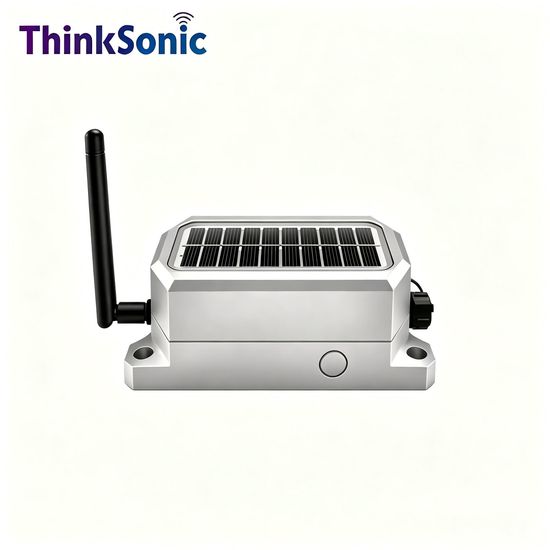
Wireless Vibration Sensor
Output Signal Type: Analog Output
Measuring Shaft Quantities: Single
Accuracy Grade: 0.1G
IP Rating: IP68
Customized: Customized
Mechanical Structure Type
Ceramic Pressure Transmitter
Production Process: Normal Wirewound
Material: Stainless Steel
Thread Type: M
Wiring Type: Four-Wire
Portable: Non Portable
Gas: CH4
Method: Combined Treatment
Usage: Industrial
Driving Type: Motor
Impeller Number: Single-Stage Pump
Low Pressure Pump
Single Suction Pump
Position of Pump Shaft: Horizontal Pump
Impeller: Closed
Construction And Engineering
Wired Inclination Sensor
Measuring Range: Triaxial
Dynamic Tilt Angle Sensor
Form: Heating Wire
Shape: Round
Coating: Powder Coating
Substrate: Steel
Features: Workout Modes
Charging Method: Magnetic Dock
Housing Material: Medical Stainless
Application: Industry
Measuring Medium: Steam
Accuracy: ±0.2-0.5%
Main Application: Water
Measurement Object: Closed Pipeline
Structure: Closed-Loop
Signal: Continuous
Hardened Tooth Surface
Installation: Horizontal Type
Step: Single-Step
Applicable Model: SUV
Applicable Model: Truck
Applicable Model: Agricultural Vehicles
Applicable Model: Engineering Vehicles
Applicable Model: Sightseeing Car
Applicable Model: RV
Applicable Model: Forklift
Applicable Model: Harvester
Applicable Model: Corn Machine
Function: Waterproof
Function: Dustproof
Function: Shockproof
Function: Monitoring
Change Drive Torque
Change Drive Direction
Function: Speed Changing
Function: Speed Reduction
Function: Speed Increase
Certification: CE
Certification: ISO
Certification: RoHS
Certification: CCC
Certification: ISO9001
Certification: REACH
Certification: GB
Output Signal Type: Digital Type
Output Signal Type: Digital Output
Output Signal Type: Analog Type
Accuracy Grade: 0.2G
IP Rating: IP65
IP Rating: IP67
Customized: Non-Customized
Strain Gauge Pressure Transmitter
Production Process: Integration
Wiring Type: Two-Wire
Wiring Type: Five-Wire
Usage: Pump
Usage: Pumps
Usage: Anti-theft
Application Area: Geological Prospecting
Features: Sleep Analysis
Features: SpO2 Monitoring
Optical Heart Rate
Application: Special Equipment
Application: Energy Metering
Application: Vibration Monitoring
Main Application: Wastewater
Main Application: Diesel Fuel
Main Application: Fuel Oil
Main Application: Corrosive Liquid/Gas

Sourcing guidance for Vibration Monitoring

What are the key technical specifications to consider when selecting vibration monitoring sensors?

Buyers should prioritize Frequency Range (Hz) and Sensitivity (mV/g). For high-speed machinery, a range up to 10kHz or higher is essential. Ensure the sensors use Piezoelectric technology for durability in industrial environments. Additionally, check the IP Rating (IP67/IP68) to ensure protection against dust and moisture, and verify if the system supports FFT (Fast Fourier Transform) analysis for precise fault diagnostics.

Which international compliance standards are mandatory for vibration monitoring equipment?

For global trade, equipment must adhere to ISO 10816 or ISO 20816 standards for mechanical vibration evaluation. If the equipment is used in hazardous environments (e.g., oil and gas), ATEX or IECEx certification for intrinsic safety is non-negotiable. For the North American market, UL or CSA certification is required, while CE marking is essential for the European Union to ensure electromagnetic compatibility (EMC).

How do I evaluate the integration capabilities of a vibration monitoring system?

Ensure the system supports standard industrial protocols such as Modbus TCP/RTU, OPC UA, or MQTT for seamless integration with existing SCADA or ERP systems. For wireless solutions, verify the stability of LoRaWAN or Zigbee signals in high-interference industrial zones. It is highly recommended to choose suppliers who provide Open API documentation and SDKs for custom software development.

What is the economic feasibility of wired vs. wireless vibration monitoring?

Wired systems offer the highest data reliability and real-time sampling rates but involve high installation costs due to cabling. Wireless systems significantly reduce Total Cost of Ownership (TCO) by cutting labor and material costs by up to 50%, making them ideal for large-scale deployments or hard-to-reach machinery, provided the battery life exceeds 2-3 years.

Cross-Border Procurement Strategy & Risk Management

How can I mitigate the risk of receiving substandard technical equipment?

Always request a Factory Acceptance Test (FAT) report and a Calibration Certificate traceable to national standards (like NIST) before shipment. Utilize third-party inspection services (e.g., SGS or Intertek) to verify the hardware's build quality and software functionality. For secure transactions, use secured payment terms offered by reputable platforms like Made-in-China.com to ensure funds are only released upon proof of shipping.

What are the best practices for negotiating with vibration monitoring suppliers?

Focus on long-term technical support rather than just the unit price. Negotiate for extended warranties (24+ months) and free firmware updates. Ask for volume-based pricing tiers; typically, a 15-20% discount can be achieved for orders exceeding 100 sensor nodes. Ensure the supplier provides comprehensive English manuals and remote technical training as part of the package.

What logistics precautions should be taken for sensitive electronic sensors?

Vibration sensors are precision instruments; ensure the supplier uses anti-static packaging and shock-absorbent foam padding. For international shipping, specify damp-proof vacuum sealing to prevent corrosion during sea freight. It is advisable to use Air Freight for high-value monitoring controllers to minimize transit time and mechanical shock risks.

How do I ensure alignment with international trade policies and customs?

Verify the HS Code (typically 9031.80) to determine accurate import duties and taxes in your country. Be aware of dual-use technology regulations; some high-precision vibration analyzers may require export licenses. Always confirm that the Certificate of Origin is provided to take advantage of any applicable Free Trade Agreements (FTAs) between China and your region.

Related queries