
Satisfies 1 requirement
Track Link Assy for Hitachi Excavator Zx200 Zx2005g Zx210 Zx230 Zx240 Track Chain Construction Machinery Volvo Cat Hydraulic
US$999.00-1,599.00
1 pieces(MOQ)

I have found results from100000+products and60000+suppliers aboutVolvo machine

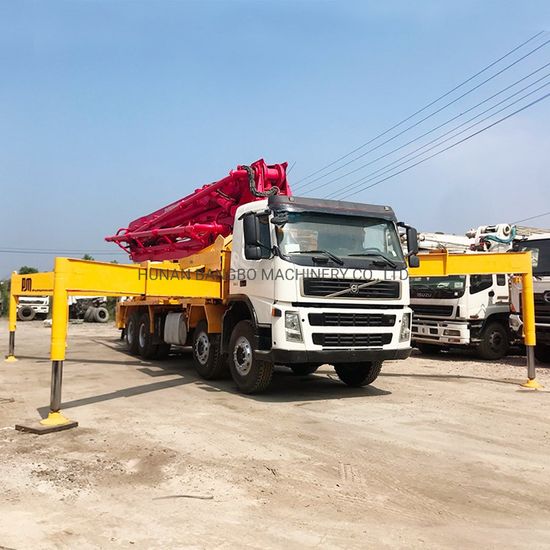


When sourcing Volvo machinery, the first step is to verify the Product Identification Number (PIN) or Serial Number against Volvo's global database to ensure the machine is not a counterfeit. For used machinery, request a comprehensive inspection report covering engine health, hydraulic pressure stability, and undercarriage wear. It is highly recommended to hire a third-party inspector (like SGS or Intertek) to conduct an on-site 'Cold Start' and 'Operation Test' to check for abnormal smoke or hydraulic leaks before final payment.
Buyers should focus on the Engine Model (e.g., D-series or E-series) to ensure it meets local emission standards such as EPA Tier 4 or EU Stage V. Evaluate the Hydraulic Flow Rate for attachment compatibility and the Bucket Capacity relative to your specific project needs. For electronic components, ensure the CareTrack telematics system is unlocked and transferable to your region for remote monitoring and diagnostics.
All Volvo machines must carry the CE Marking for the European market or ANSI/ITSDF compliance for North America. Ensure the supplier provides a Certificate of Conformity (CoC) and that the machine meets ISO 9248 for earth-moving machinery. For spare parts, verify that they are OEM (Original Equipment Manufacturer) or high-quality aftermarket parts that meet ISO 9001 quality management systems to prevent premature mechanical failure.
To maximize ROI, calculate the Total Cost of Ownership (TCO), which includes the purchase price, shipping, import duties, and estimated maintenance for the first 5,000 hours. Consider consolidating spare parts orders (filters, seals, teeth) with the machine purchase to save on logistics. For older models, sourcing from verified gold suppliers on Made-in-China.com can offer a 20-40% price advantage compared to local dealerships, provided the maintenance records are transparent.
The most significant risks include hidden mechanical defects, shipping damage, and non-compliance with local emission laws. To mitigate these, always use Trade Assurance or Letter of Credit (L/C) to secure your funds. Ensure the sales contract includes a warranty clause specifically covering major components like the pump, motor, and engine for at least 6-12 months.
Heavy machinery is typically shipped via Ro-Ro (Roll-on/Roll-off) vessels to prevent lifting damage, or Flat Rack containers for oversized units. For smaller spare parts, air freight is faster but costly; LCL (Less than Container Load) sea freight is the most economical for bulk parts. Ensure the machine is treated with anti-corrosion wax before sea transit to prevent rust from salt air.
Focus negotiations on after-sales technical support and the inclusion of wear-part kits. Ask for a detailed video of the machine operating under load. On platforms like Made-in-China.com, prioritize suppliers with 'Audited Supplier' status, as they have undergone rigorous business and production capability checks.
Never transfer the full amount upfront. A standard practice is a 30% deposit and 70% balance after the third-party inspection but before loading. Verify the supplier's bank account name matches the company name on their business license to avoid 'middleman' scams. Always request the Original Bill of Lading and ensure the HS Code (typically 8429 for self-propelled earth-moving machinery) is correctly declared to avoid customs delays.